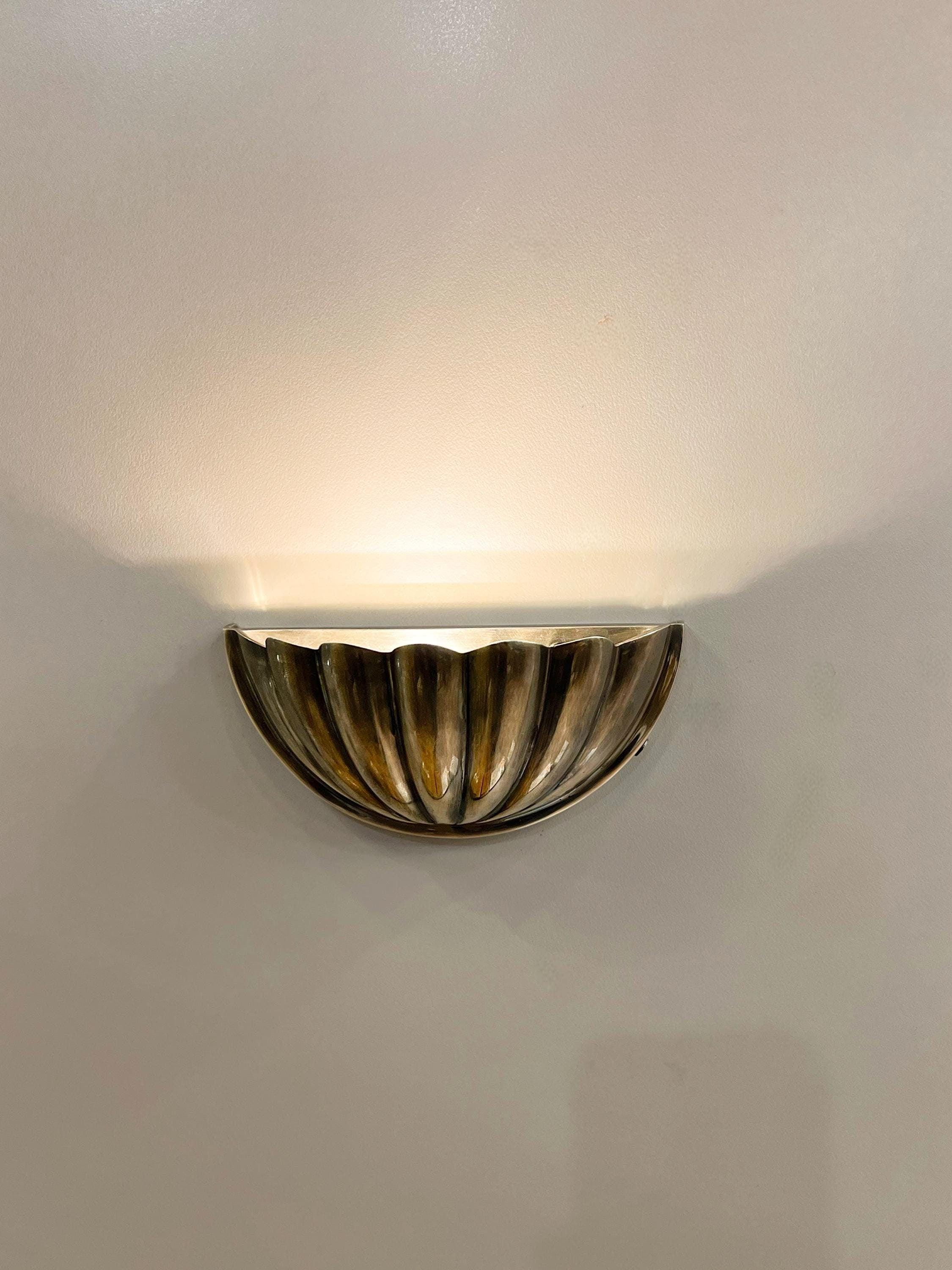
How to Light a Room With No Overhead Lighting
Quick answer: Light a room with no ceiling fixture by layering several plug-in sources: plug-in wall sconces for eye-level glow, floor and table lamps for pools of light, and a smart plug or wall switch so you can turn them on as you enter. Aim for at least three light sources at different heights, use warm 2700K bulbs, and put them on smart plugs to mimic a single switch. No electrician or rewiring required.
Plenty of homes — especially older ones, apartments, and rentals — have rooms with no overhead light at all, just a wall switch that controls a single outlet (or nothing). It's one of the most common lighting frustrations, and the fix is easier and better-looking than most people expect. You don't need an electrician or a ceiling fixture; you need a layered plan of plug-in light. Here's exactly how to do it.
Why Layered Light Beats One Ceiling Fixture Anyway
Here's the reframe: a room without an overhead light is an opportunity, not a problem. A single ceiling fixture casts flat, top-down light that leaves corners dim and shadows harsh. The rooms designers love are lit by several smaller sources at different heights — exactly what you'll build here. So instead of missing out, you're skipping straight to the more flattering approach. The goal is three or more sources spread around the room at different levels: eye height, table height, and floor.
Layer 1: Plug-In Wall Sconces
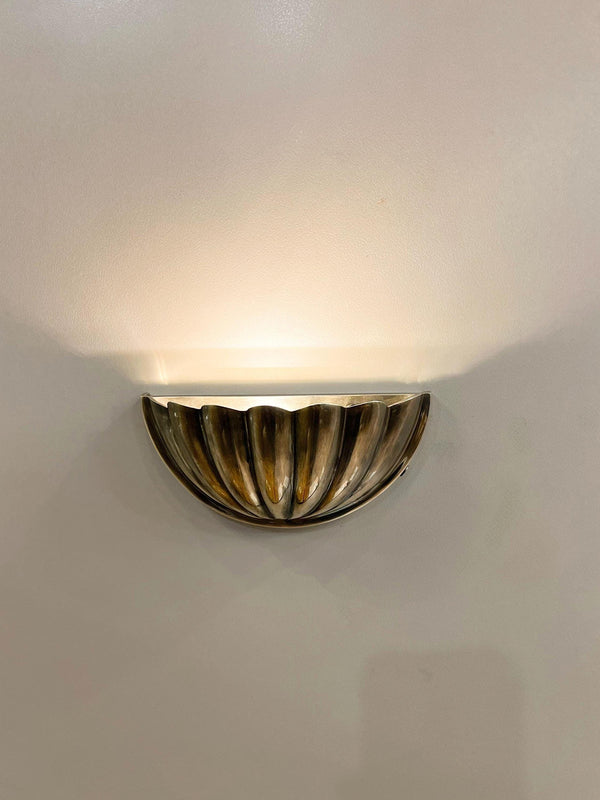
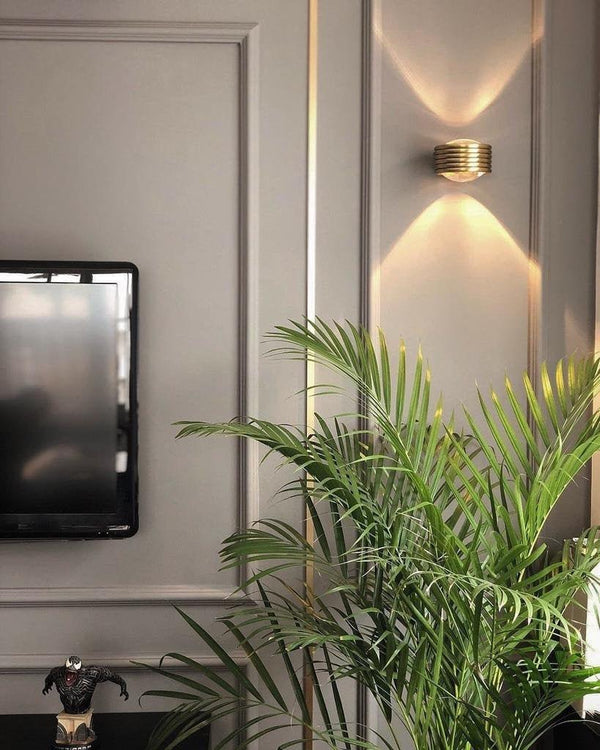
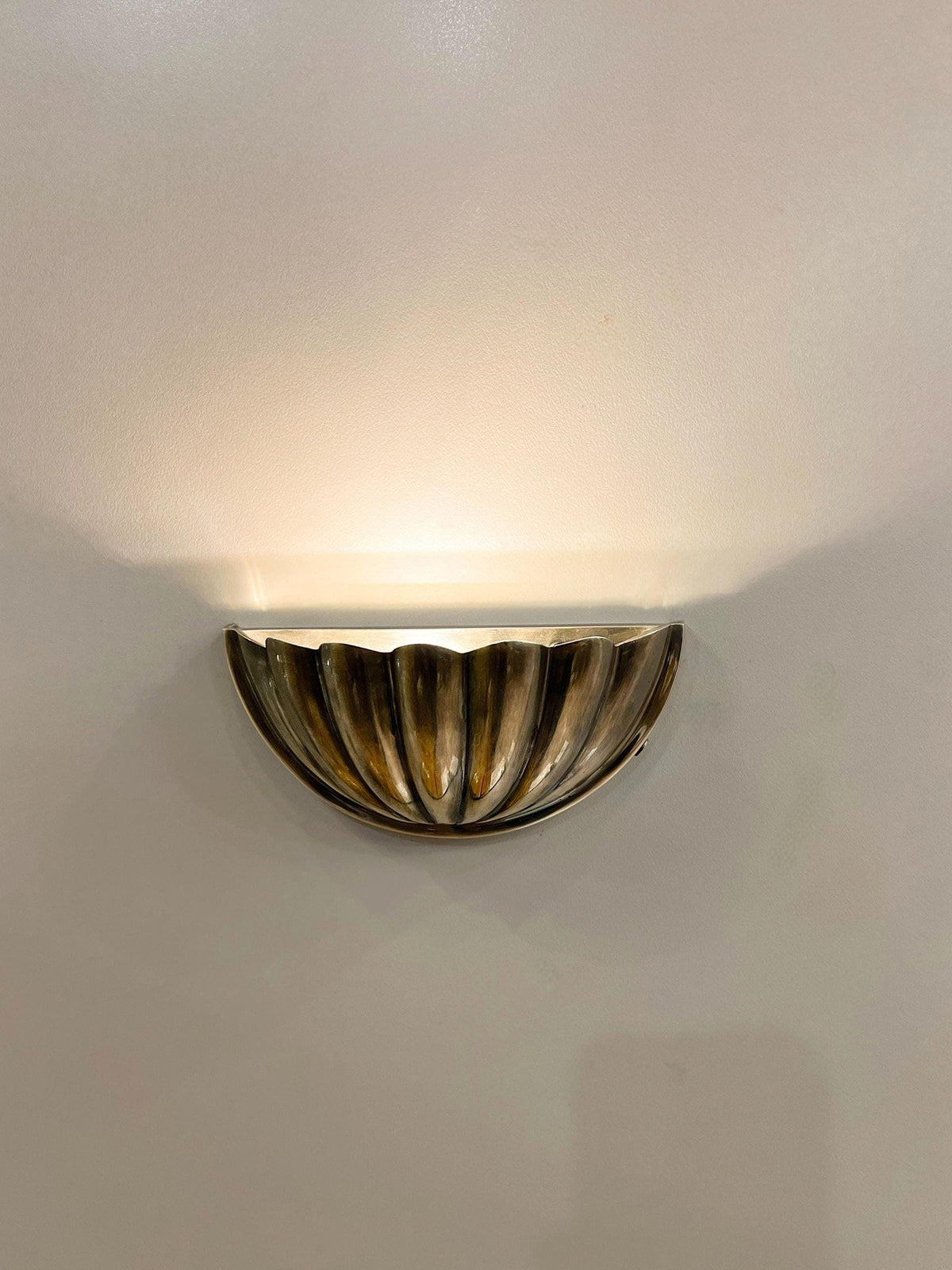
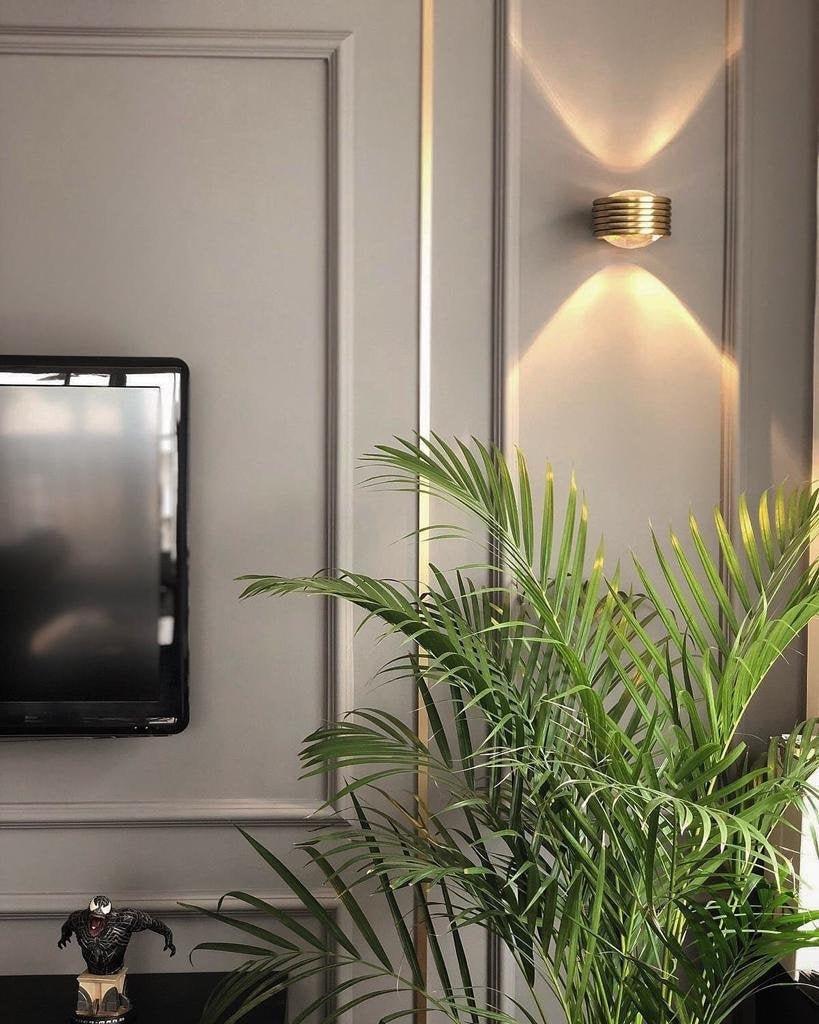
Plug-in wall sconces are the secret weapon for a room with no wiring. They mount to the wall with a couple of screws, plug into a nearby outlet, and deliver the mid-height glow that lamps alone can't — instantly making a room feel finished rather than lit by scattered lamps. Mount them at about 60–66 inches from the floor, run the cord into a paintable cord cover for a tidy look, and you have the equivalent of hardwired sconces with none of the electrical work. A pair flanking a sofa, bed, or mirror does the most for a room's balance.
Layer 2: Floor & Table Lamps
Lamps fill in the pools of light that make a room feel warm:
- Floor lamps in the corners lift light up and outward, erasing the dark edges a ceiling fixture would leave.
- Table lamps on side tables and consoles bring light down to reading and conversation height.
- An arc or over-the-sofa floor lamp can even mimic overhead light exactly where you need it — over a seating area or reading chair.
Spread them around the room rather than clustering them, so light comes from multiple directions and the whole space feels evenly bright.
Layer 3: Accent & Task Light
Finish with smaller, purpose-driven sources: a picture light or plug-in sconce over artwork, an LED strip behind a shelf or console, or a small task lamp at a desk. These add depth and make the room feel considered — the difference between "lit" and "designed." Even one accent source noticeably lifts a room built from lamps.
The Trick: Put It All on One Switch
The biggest annoyance with a switch-less room is turning on five things by hand. The fix is smart plugs. Plug your sconces and lamps into smart plugs, group them in the app, and control them all with your phone, your voice, or a small smart button by the door — effectively recreating the single wall switch you never had. Alternatively, many homes have a switched outlet (a wall switch that controls half of one receptacle); plug a lamp into it and that switch becomes your room's main light. Between the two, you get one-touch control without any wiring.
Warm Bulbs Tie It Together
With light coming from several fixtures, consistency is everything. Put warm-white 2700K bulbs in every source so the room reads as one warm scheme rather than a mismatch of tones. Add dimmable bulbs or smart bulbs and you can shift the whole room from bright to cozy — a flexibility a single ceiling fixture could never offer. Warm light also makes brass and wood glow, adding to the inviting feel.
A Room-by-Room Starting Point
| Room | Start with | Add |
|---|---|---|
| Living room | 2 plug-in sconces + floor lamp | Table lamp, accent light |
| Bedroom | Pair of bedside sconces | Corner floor lamp |
| Home office | Task lamp + plug-in sconce | Shelf LED strip |
| Dining nook | Plug-in swag pendant (hooked to outlet) | Sideboard lamp |
Renter-Friendly Notes
Everything here comes off the wall cleanly when you move. Plug-in sconces leave only small screw holes to patch; lamps and smart plugs leave nothing at all. A plug-in swag pendant — hung from a ceiling hook and plugged into the wall — even gives you the look of an overhead fixture over a dining table without any wiring, and it's fully removable. For renters, this layered plug-in approach isn't a compromise; it's often the best-looking and most flexible way to light a room, full stop.
Three Sample Layouts You Can Copy
If you want a plan to follow rather than principles to interpret, here are three layered setups that work in real rooms with no overhead light:
- The living room: a pair of plug-in wall sconces flanking the sofa at 60–66 inches, a floor lamp in the far corner to lift the dark edge, and a table lamp on a side table beside your seat. Put all three on smart plugs grouped as "Living Room." Three warm pools of light at three heights, one command.
- The bedroom: two bedside swing-arm sconces for reading, a floor lamp in the corner for ambient fill, and a small dresser lamp for late-evening accent. Each bedside sconce on its own smart bulb so either partner can read while the other sleeps.
- The home office: a focused task lamp on the desk, a plug-in sconce above or beside the desk to lift the wall behind your screen (which reduces eye strain), and an LED strip along a shelf for a soft background glow. Cooler light at the desk for focus, warm elsewhere.
Each of these is fully removable, needs no electrician, and looks more considered than a single ceiling fixture ever could. Start with one and build the layers as you go.
Choosing Smart Bulbs vs Smart Plugs
Two paths give you one-touch control, and they suit different fixtures. Smart plugs are the simplest — they switch whatever is plugged into them on and off, ideal for lamps and sconces you want fully on or off. Smart bulbs go further, letting you dim and even warm each fixture individually from your phone or voice, which is perfect for bedside reading lights or a living room you want to shift from bright to cozy. Many people mix the two: smart plugs for lamps that only need on/off, and smart bulbs in the fixtures where dimming matters most. Either way, grouping them in one app scene recreates — and improves on — the single wall switch the room never had.
Common Mistakes
- Relying on one lamp. A single corner lamp leaves the rest of the room dark — use at least three sources.
- Mismatched bulb tones. Stick to 2700K everywhere for a cohesive look.
- Skipping eye-level light. Without sconces, a room built only from floor and table lamps can feel bottom-heavy.
- No unified control. Use smart plugs so you're not switching on five fixtures by hand.
- Ignoring cord management. Cord covers and thoughtful placement keep the look tidy.
Frequently Asked Questions
How do you light a room with no ceiling light?
Layer plug-in sources: plug-in wall sconces at eye level, floor and table lamps for pools of light, and accent lighting for depth. Put them on smart plugs for one-touch control, and use warm 2700K bulbs throughout.
Do plug-in wall sconces need an electrician?
No. Plug-in sconces mount with a couple of screws and plug into an existing outlet — no wiring or electrician required. Hide the cord with a paintable cord cover.
How can I control lamps like a single light switch?
Plug them into smart plugs and group them in the app for phone, voice, or button control. Alternatively, use a switched outlet if your room has one.
What's the best lighting for a rental with no overhead?
A layered mix of plug-in sconces, floor and table lamps, and a plug-in swag pendant over a table — all removable, leaving only small holes to patch when you move.
How many light sources should a room have?
Aim for at least three at different heights — eye level, table height, and floor — so light comes from multiple directions and the room feels evenly warm.
Explore our handcrafted brass wall sconces
Many designs work beautifully as plug-in fixtures. Each is cast and finished by hand in solid brass by Arel Lighting, with free US shipping.
Browse the brass wall sconces collection, or read our hardwired vs plug-in sconces guide.