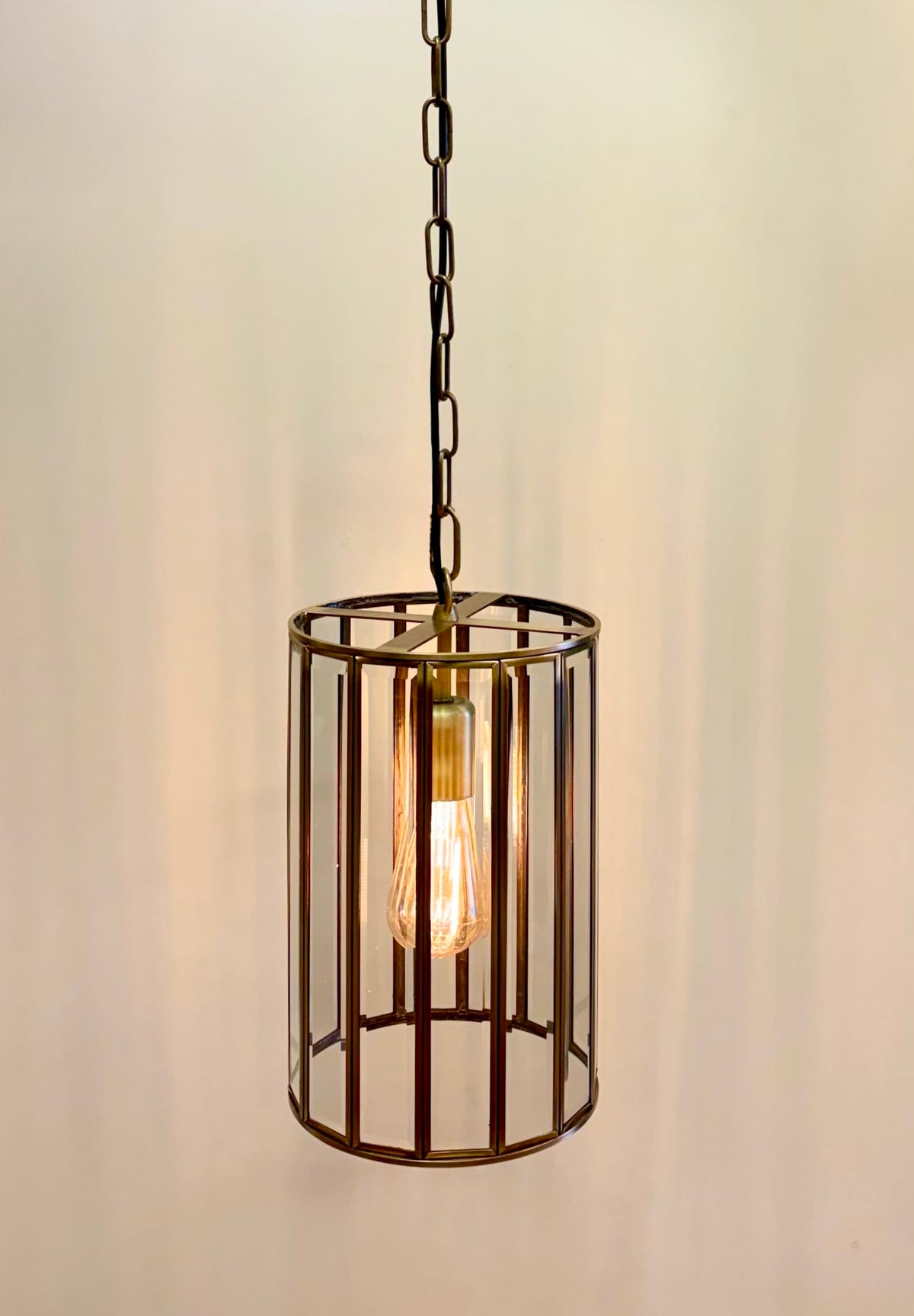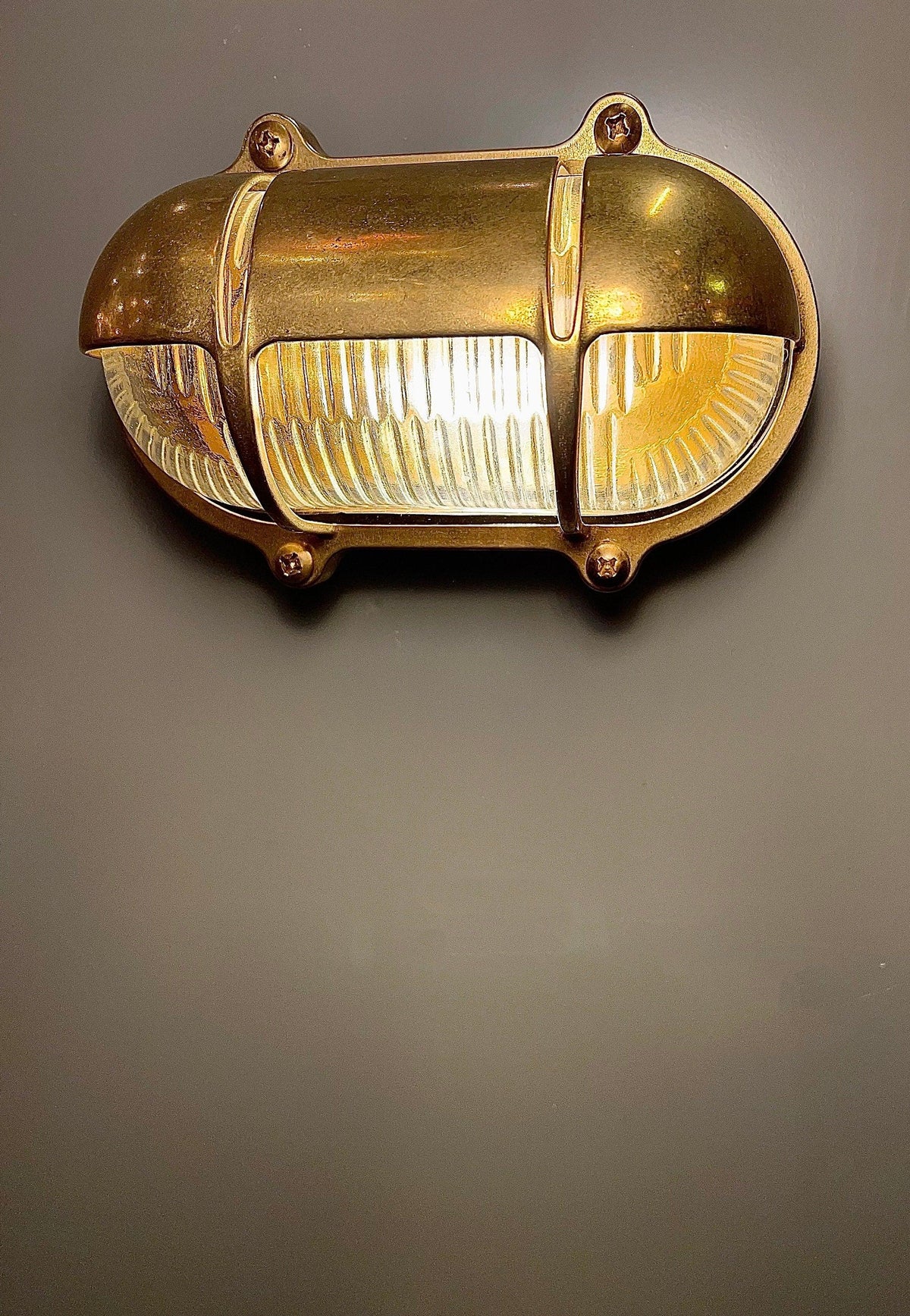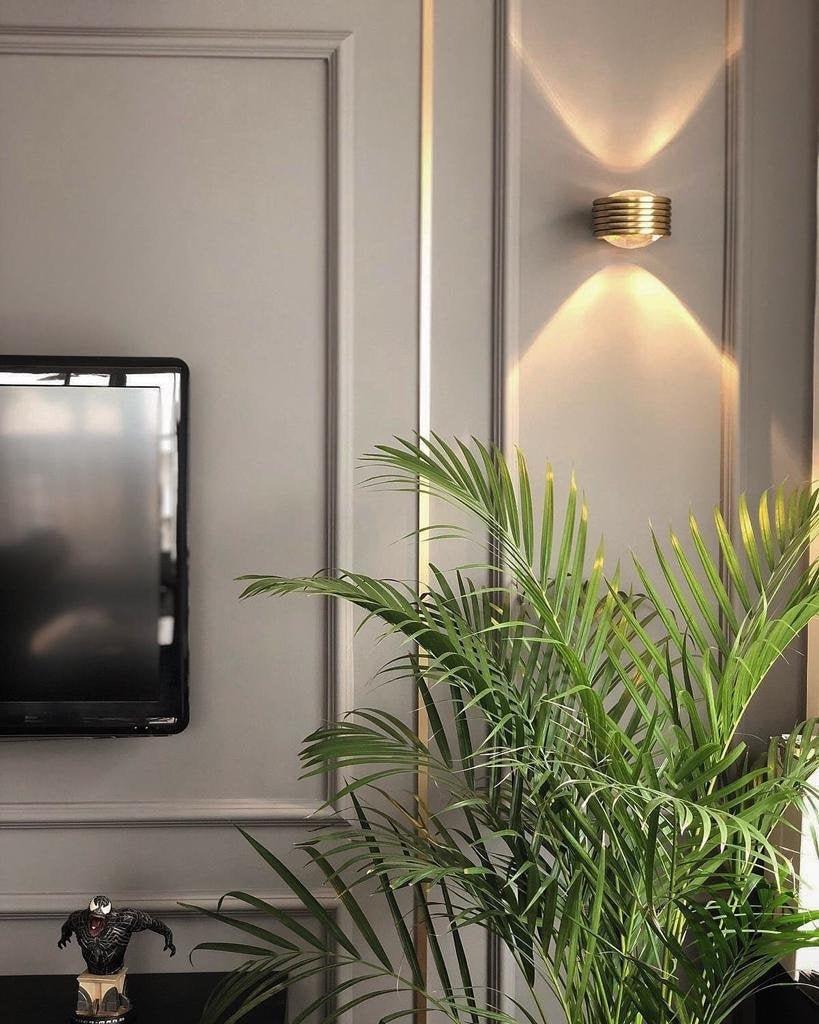
Solid Brass vs Plated Brass Lighting: What's the Difference?
Solid Brass vs Plated Brass Lighting: What's the Difference?
Quick answer: Solid brass lighting is made from real brass all the way through, so it never wears out, can be polished for decades, and develops a beautiful patina. Plated brass is a thin brass-colored coating over a cheaper base metal (often steel or zinc) that flakes, corrodes, and can't be restored once it wears. Solid brass costs more up front but lasts a lifetime; plated is cheaper but disposable. For durability, especially outdoors and in bathrooms, solid brass wins decisively.
When you shop for brass lighting, two fixtures can look identical on screen — yet one lasts a lifetime and the other looks tired within a couple of years. The difference is what's underneath the finish: solid brass versus plated brass. It's the single most important thing to understand before you buy, and manufacturers rarely make it obvious. This guide explains the difference in plain terms and shows you how to tell them apart.
What Is Solid Brass?
Solid brass means the fixture is made from genuine brass — an alloy of copper and zinc — all the way through. There's no coating hiding a different metal; what you see is what the whole fixture is made of. Because it's brass to the core, a solid-brass fixture can be polished back to a bright shine again and again over decades, or left to develop a natural patina, and it never "wears through" to something else. This is the material that has been used for ship fittings, door hardware, and quality lighting for centuries precisely because it endures.
What Is Plated Brass?
Plated brass (sometimes called "brass finish" or "brass-tone") is a thin, brass-colored coating — often just microns thick — applied over a cheaper base metal like steel, zinc alloy, or aluminum. From a distance it can look like the real thing, but the brass is only skin-deep. Over time that thin plating wears at the edges and high-touch points, scratches expose the base metal beneath, and in damp conditions the coating flakes and the base metal corrodes. Once plating wears through, there's nothing to polish or restore — the fixture is essentially finished.
Solid vs Plated: The Key Differences
| Solid Brass | Plated Brass | |
|---|---|---|
| Material | Real brass throughout | Thin brass coating over base metal |
| Lifespan | Decades to a lifetime | Often 1–5 years before wear shows |
| Ages into | A living patina; polishable | Flaking, exposed base metal |
| Outdoors / damp | Resists corrosion | Corrodes as coating fails |
| Weight | Heavier, substantial | Lighter |
| Cost | Higher up front | Cheaper, but disposable |
| Repairable | Yes — polish anytime | No — can't restore |
How to Tell Them Apart
Manufacturers don't always spell it out, so use these tests:
- Read the description. "Solid brass" is stated proudly; "brass finish", "brass plated", "brass tone", or just "brass-colored" usually means plated.
- Feel the weight. Solid brass is noticeably heavier and more substantial than a plated fixture of the same size.
- The magnet test. Brass is not magnetic. If a magnet sticks, there's a steel base under the plating — it's not solid brass. (Note: zinc-based plated fixtures won't attract a magnet either, so use this alongside the other tests.)
- Check the price. Real solid brass costs more to make; a suspiciously cheap "brass" fixture is almost always plated.
- Look at edges and the back. On plated pieces you can sometimes see a different color where the coating is thin or the raw metal shows.
Why It Matters Most Outdoors and in Bathrooms
The solid-vs-plated gap is widest wherever there's moisture. Outdoors, plated fixtures face rain, humidity, and — near the coast — salt air, all of which attack the coating and rust the base metal within a season or two. Solid brass, by contrast, naturally resists corrosion and forms a protective patina, which is why it has lit porches, docks, and lighthouses for generations. The same applies in bathrooms, where steam and splashes quickly betray a plated fixture. If you buy solid brass anywhere, buy it for outdoor and bathroom lighting.
Is Solid Brass Worth the Extra Cost?
On paper, plated fixtures are cheaper — but the math changes over time. A plated fixture that needs replacing every few years costs more across a decade than one solid-brass fixture you buy once and keep. Solid brass also holds its looks: it can be polished bright or left to patina, so it never reaches the "worn out" stage that sends plated fixtures to the trash. For anyone who values longevity, sustainability (buy once, not repeatedly), and the character that only real brass develops, solid brass is the better investment — not the more expensive one, over the life of the fixture.
The Patina Advantage
One thing plated brass can never do is age gracefully. Solid brass develops a patina — a natural, protective deepening of color from bright gold toward warm amber and bronze — that many people prize as a sign of authenticity and craftsmanship. It's the same quality that makes a leather bag or a wooden table look better with age. And if you ever prefer the bright look again, a solid-brass fixture polishes right back to gold. Plated brass offers no such flexibility: it looks its best on day one and only declines from there.
How Arel Approaches Brass
Every Arel Lighting fixture is cast and finished by hand in solid brass — never plated. That's a deliberate choice: it means each piece is built to last decades, to be polished or left to patina as you prefer, and to stand up to outdoor and coastal conditions that would ruin a plated fixture. It's also why our pieces have real weight and substance in the hand. When you're comparing lighting, the material underneath the finish is the difference between a fixture you replace and one you pass on — and it's the difference we build around.
Is Solid Brass the More Sustainable Choice?
There is an environmental angle worth considering too. A plated fixture that wears out and gets replaced every few years means repeated manufacturing, shipping, and landfill waste. A solid-brass fixture bought once and kept for decades is the opposite of disposable — and at the end of a very long life, brass is fully recyclable. Choosing solid brass is, in a real sense, a buy-it-once decision that reduces the churn of cheap fixtures through your home. For anyone trying to consume more thoughtfully, the durable option is also the greener one, quietly avoiding the waste that plated lighting builds in by design.
When Might Plated Brass Make Sense?
To be fair, plated brass is not always the wrong choice. For a temporary space, a rental you will leave soon, a low-touch indoor fixture in a dry room, or a very tight budget, a plated fixture can be a reasonable short-term pick — it looks like brass on day one and costs less. The key is to buy it with open eyes: know that it will not age gracefully, cannot be restored, and should never go outdoors or in a wet area. For anything you want to keep, anywhere that meets moisture, or any fixture on display and touched daily, solid brass is the choice that pays off. Match the material honestly to how long you actually want it to last.
Common Misconceptions
- "All brass fixtures are the same." No — solid and plated look similar but perform completely differently over time.
- "Plated is fine indoors." It lasts longer indoors than out, but still wears at touch points and can't be restored.
- "Solid brass tarnishes, so it's worse." That "tarnish" is patina — protective and desirable, and reversible with polish.
- "Heavier just means bulkier." Weight is actually a useful clue that a fixture is solid metal, not thin plating.
Frequently Asked Questions
What is the difference between solid brass and plated brass?
Solid brass is real brass throughout and lasts decades, polishable and corrosion-resistant. Plated brass is a thin brass coating over a cheaper base metal that flakes, corrodes, and can't be restored once it wears through.
How can I tell if a light fixture is solid brass?
Check the description for "solid brass" (not "brass finish/plated/tone"), feel for substantial weight, and try a magnet — brass isn't magnetic, so if it sticks there's a steel base and it's plated.
Is solid brass worth the extra cost?
Yes for longevity. A solid-brass fixture you buy once outlasts several plated ones, holds its looks via polish or patina, and resists corrosion — making it the better value over the life of the fixture.
Does plated brass hold up outdoors?
Not well. Rain, humidity, and salt air attack the plating and rust the base metal within a season or two. Solid brass resists corrosion and is the right choice outdoors and in bathrooms.
Is brass patina bad?
No. Patina is a natural, protective darkening of solid brass that's often prized as a sign of authenticity — and it's reversible, since solid brass can always be polished back to a shine.
Explore our handcrafted solid brass lighting
Cast and finished by hand in real solid brass — never plated — by Arel Lighting, with free US shipping.
Browse the brass wall sconces collection, or read our guide to brass care & patina.