
Warm vs Cool Light: The Best Color Temperature (2700K vs 3000K) for Your Home
Warm vs Cool Light: The Best Color Temperature (2700K vs 3000K) for Your Home
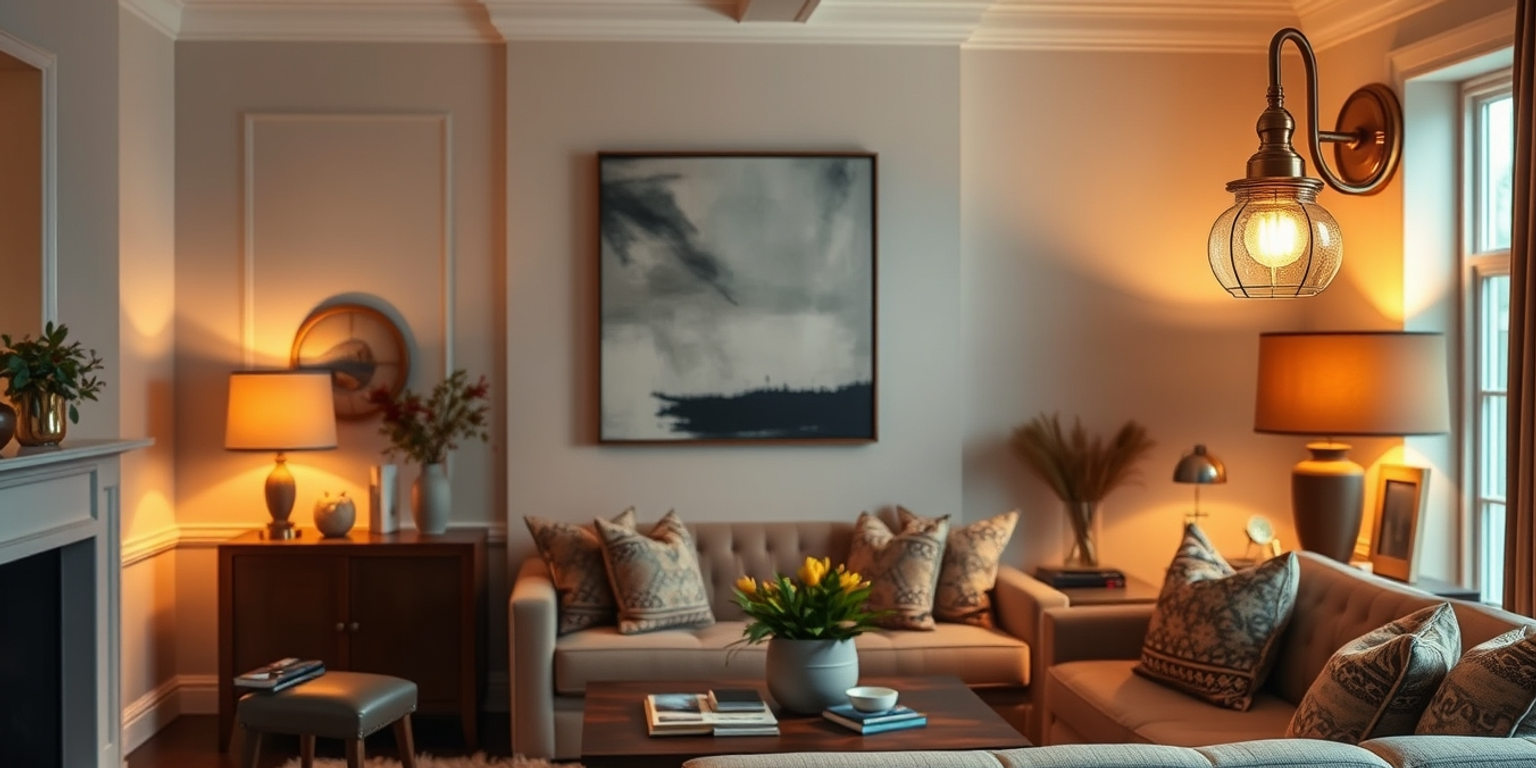
Quick answer: For living rooms, bedrooms, dining rooms, and hallways, choose warm white 2700K — a cozy, golden glow that flatters skin and warm materials like brass and wood. Use a slightly brighter 3000K in kitchens and bathrooms where you want clarity, and reserve cool 3500–4000K for garages or task-heavy workspaces. Match the color temperature across a room so the light feels intentional.
You can buy the most beautiful fixture in the world and still end up with a room that feels cold, clinical, or oddly yellow — all because of the bulb inside it. Color temperature, measured in Kelvin (K), is the single setting that decides whether a space feels like a warm evening retreat or a hospital corridor. This guide explains what the numbers mean and gives you a room-by-room recommendation for American homes.
What Color Temperature Actually Means
Color temperature describes how warm (yellow/amber) or cool (blue/white) a light appears, on a scale from roughly 2000K to 6500K. Lower numbers are warmer; higher numbers are cooler. It has nothing to do with brightness — a 2700K bulb and a 4000K bulb can be equally bright, but they set completely different moods.
- 2000–2700K: warm, golden, candle-to-cozy-lamp glow
- 3000K: warm white with a touch more clarity
- 3500–4100K: neutral to cool white
- 5000K+: daylight, crisp and blue-white
For the vast majority of living spaces in a home, everything you want lives between 2700K and 3000K.
Why 2700K Is the Default for Living Spaces
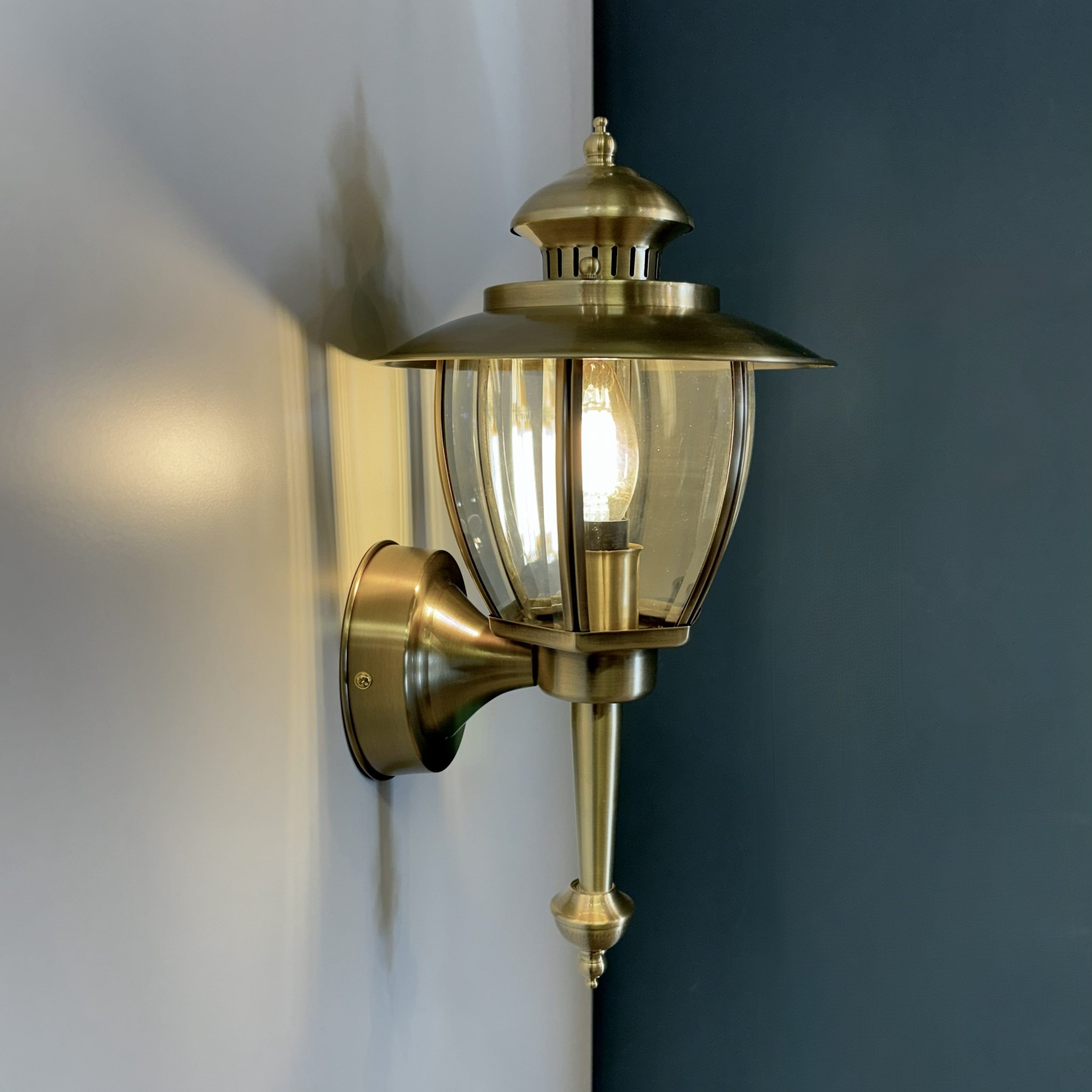
2700K is the closest LED equivalent to the warm glow of a traditional incandescent bulb — the light most people instinctively associate with "home." It relaxes a room, flatters skin tones at dinner, and makes warm materials sing. This last point matters for brass: our solid-brass sconces and lamps are designed to glow under warm light, the metal picking up amber highlights. Under cool, bluish light the same fixture looks flat and slightly gray. If you take one rule from this guide, make it this: light warm materials with warm light.
When 3000K Makes Sense
3000K is still firmly "warm white," just a half-step crisper. It's the sweet spot for rooms where you want a cozy feel and a bit more visual clarity — most often kitchens and bathrooms. At the kitchen counter or the bathroom mirror you're doing tasks that benefit from slightly cleaner light, but you don't want the sterile edge that cooler bulbs bring. Many homeowners run 2700K everywhere for consistency and only step up to 3000K at work surfaces.
Recommended Color Temperature by Room
| Room | Recommended | Why |
|---|---|---|
| Living room | 2700K | Cozy, relaxed, flatters brass & wood |
| Bedroom | 2700K | Restful, easy on the eyes at night |
| Dining room | 2700K | Warm, flattering at the table |
| Hallway / entry | 2700K | Welcoming, consistent with living areas |
| Kitchen | 2700–3000K | Warm ambiance + task clarity |
| Bathroom vanity | 3000K | Clean light for grooming, still warm |
| Home office | 3000–3500K | Alert, focused task light |
| Garage / utility | 4000K | Bright, neutral for detailed work |
Don't Forget CRI (Color Rendering)
Color temperature sets the mood; CRI (Color Rendering Index) decides how true colors look under it. CRI runs from 0 to 100, and you want 90 or higher for living spaces so your walls, art, wood tones, and skin all look natural rather than washed out. A 2700K bulb with a high CRI is the gold standard for a warm, true-to-life room. When you shop for bulbs, check both numbers — a cheap bulb with low CRI can make even the best fixture's light look dull.
The Case for Dimmers
The most flexible upgrade you can make is adding a dimmer. Warm light plus a dimmer lets a single fixture shift from bright and practical in the morning to low and intimate at night. Some premium LED bulbs even "warm up" as you dim them, mimicking the cozy amber of a dimmed incandescent — perfect over a dining table or beside a bed. Pair a dimmer with a warm-white bulb and you've covered nearly every mood a room needs.
What About Outdoor and Entry Lighting?
Outdoor spaces follow the same warm-light logic as your interior. For a front porch, entry, or patio, stay in the warm 2700K range so the light feels welcoming rather than harsh — cool white outdoors reads as a parking lot, not a home. Warm light also flatters the brass and glass of outdoor sconces and lanterns, and it's kinder to the evening ambiance you're trying to create. The one exception is a security or utility area, where a brighter, cooler light aids visibility. For everywhere guests actually gather, keep it warm and, ideally, dimmable so you can soften the entry for an evening at home.
Keep It Consistent
Nothing undermines a carefully lit room faster than mismatched bulbs — one lamp glowing amber, another beaming cool white. Buy bulbs in matched sets, note the Kelvin rating, and keep spares so replacements match. When every fixture in a room shares the same warmth, the lighting reads as deliberate and calm. This is especially important with multiple sconces or a pair flanking a mirror, where any mismatch is immediately obvious. A simple habit helps: whenever you buy bulbs, snap a photo of the box so you always know the exact Kelvin and CRI to match next time.
Our Recommendation in One Line
If you want a rule you can apply without overthinking it: put warm-white 2700K, high-CRI (90+) bulbs on a dimmer in every living space, and step up to 3000K only at the kitchen counter and bathroom mirror. That single choice covers the vast majority of homes, flatters both people and warm brass fixtures, and gives you the cozy, welcoming light that makes a house feel finished. Everything else — smart bulbs, warm-dim technology, accent colors — is a refinement on top of that solid warm-white foundation.
How Light Color Affects Sleep and Mood
Warm light isn't just a style choice — it works with your body. Cool, blue-rich light in the evening suppresses melatonin and signals "daytime" to your brain, which is great for a home office at 9 a.m. and counterproductive in a bedroom at 9 p.m. Warm 2700K light in the evening does the opposite: it helps a room wind down and prepares you for rest. That's why the smartest approach is often to zone by time of day — cooler, brighter light where you work in the morning, and warm, dimmable light in the spaces where you relax at night. Your sconces and lamps in living and sleeping areas should sit firmly in the warm range.
Layering Warm Light Through a Room
A room lit by a single overhead fixture feels flat no matter the color temperature. The rooms that feel inviting layer several warm sources at different heights: an overhead fixture for general light, wall sconces at eye level for a soft glow, and a table or floor lamp for a pool of light where you read. When all of these share the same warm 2700K tone, the layers blend into one cohesive, restful atmosphere. This is where wall sconces earn their place — they add that crucial mid-height layer that ceiling lights and lamps can't reach, and warm brass fixtures make the effect feel richer still.
Common Color Temperature Mistakes
- Going too cool in living spaces. 4000K+ bulbs make a living room or bedroom feel like an office. Keep these spaces at 2700K.
- Mixing warmths in one room. One amber lamp and one cool-white fixture reads as a mistake. Match Kelvin across the room.
- Ignoring CRI. A cheap low-CRI bulb dulls colors even at the right Kelvin. Look for CRI 90+.
- Cool light on warm materials. Brass, wood, and terracotta look best under warm light; cool light drains them.
- No dimmer. Without dimming, a room is stuck at one mood all day. A dimmer is the cheapest upgrade for flexibility.
Avoid these and you'll get the warm, welcoming light that makes a house feel like home — and makes your fixtures look their best.
Frequently Asked Questions
Is 2700K or 3000K better for a living room?
2700K is better for living rooms — it gives the cozy, golden glow most people associate with home and flatters both skin and warm materials like brass. Save 3000K for kitchens and bathrooms.
What color temperature is best for brass light fixtures?
Warm white 2700K is best for brass. It makes the metal glow with amber highlights, while cool, bluish light flattens the finish and looks gray.
What is the best color temperature for a bathroom?
3000K is ideal for bathrooms — clean enough for grooming at the mirror while staying warm and comfortable. Flank the mirror with sconces for even, shadow-free light.
Does color temperature affect brightness?
No. Brightness is measured in lumens; color temperature (Kelvin) only sets how warm or cool the light looks. A 2700K and a 4000K bulb can be equally bright.
What CRI should I look for?
Choose bulbs with a CRI of 90 or higher for living spaces so colors, wood tones, and skin look natural and true rather than washed out.
Explore our handcrafted brass lighting
Every piece is cast and finished by hand in solid brass by Arel Lighting — designed to glow under warm light. Free US shipping.
Browse the brass wall sconces collection, or read our wall sconce placement guide.
%20for%20Your%20Home%0A%0A%0A%20%20Quick%20answer:%20For%20living%20rooms,%20bedrooms,%20dining%20rooms,%20and%20hallways,%20choose%20warm%20white%202700K%20%E2%80%94%20a%20cozy,%20golden%20glow...)