Illuminazione Nautica: La Guida Completa all'Acquisto per le Case negli Stati Uniti nel 2026
La maggior parte degli apparecchi nautici fallisce per lo stesso motivo: sono in ottone placcato zinco, e la placcatura non resiste a un inverno costiero. Arel Lighting realizza a mano l'alternativa in ottone massiccio e la spedisce gratuitamente in tutti gli Stati Uniti. Questa guida spiega cosa conta davvero prima di acquistare: come riconoscere l'ottone marino autentico da un'imitazione decorativa, quali apparecchi sono adatti per case costiere o interne, come leggere le certificazioni per ambienti umidi e umidi, e quanto dovrebbe costare un apparecchio durevole.
Cos'è l'illuminazione nautica?
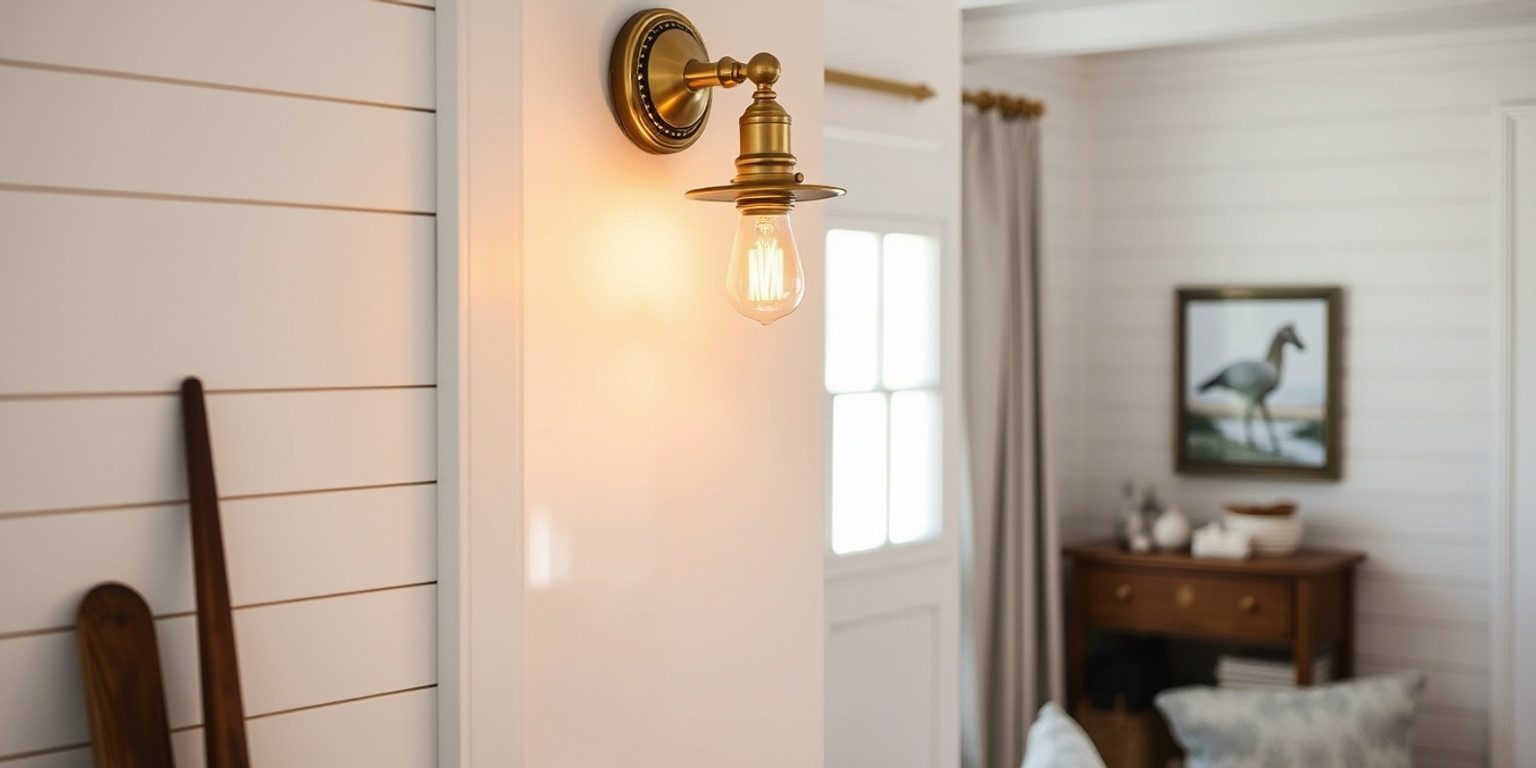
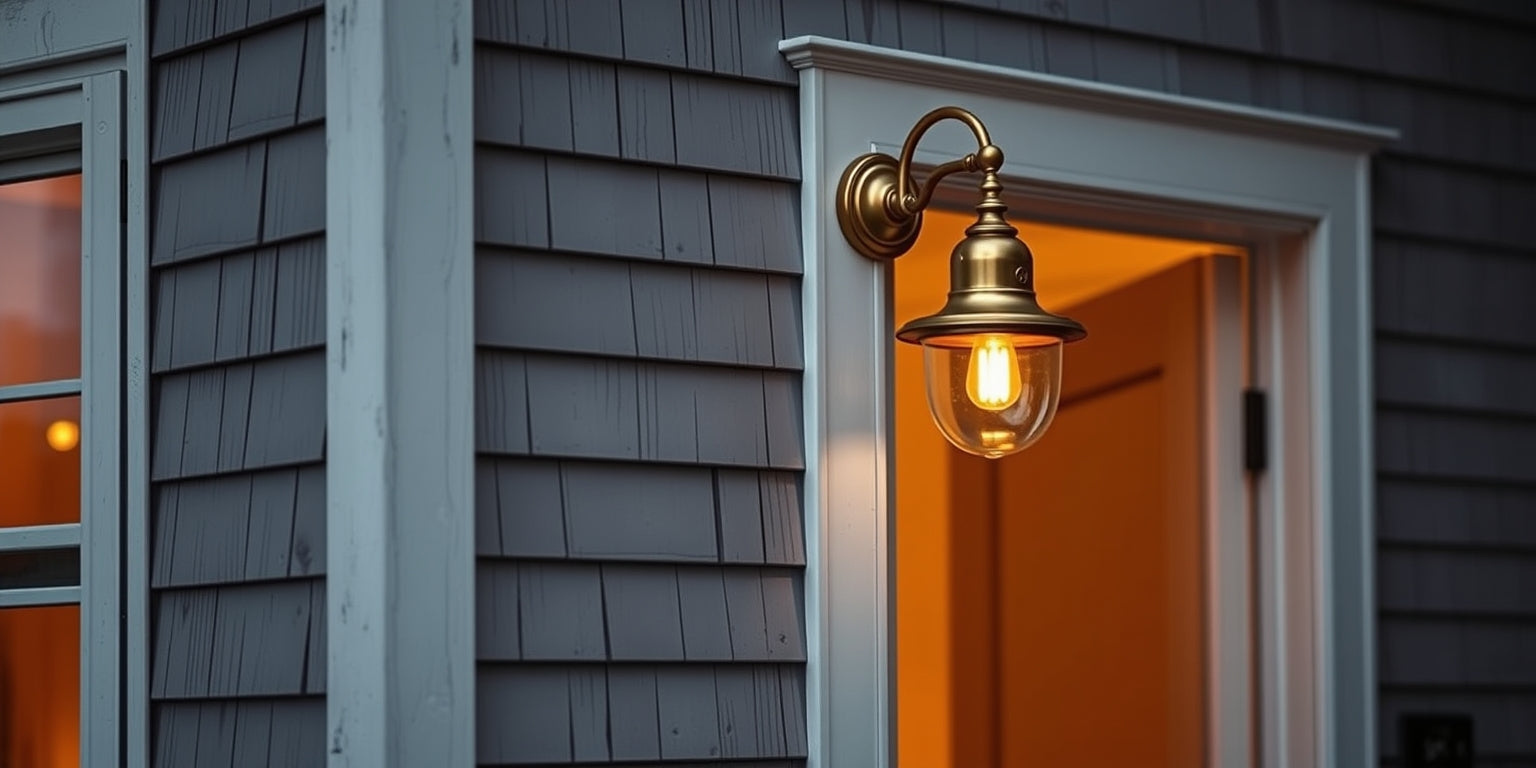
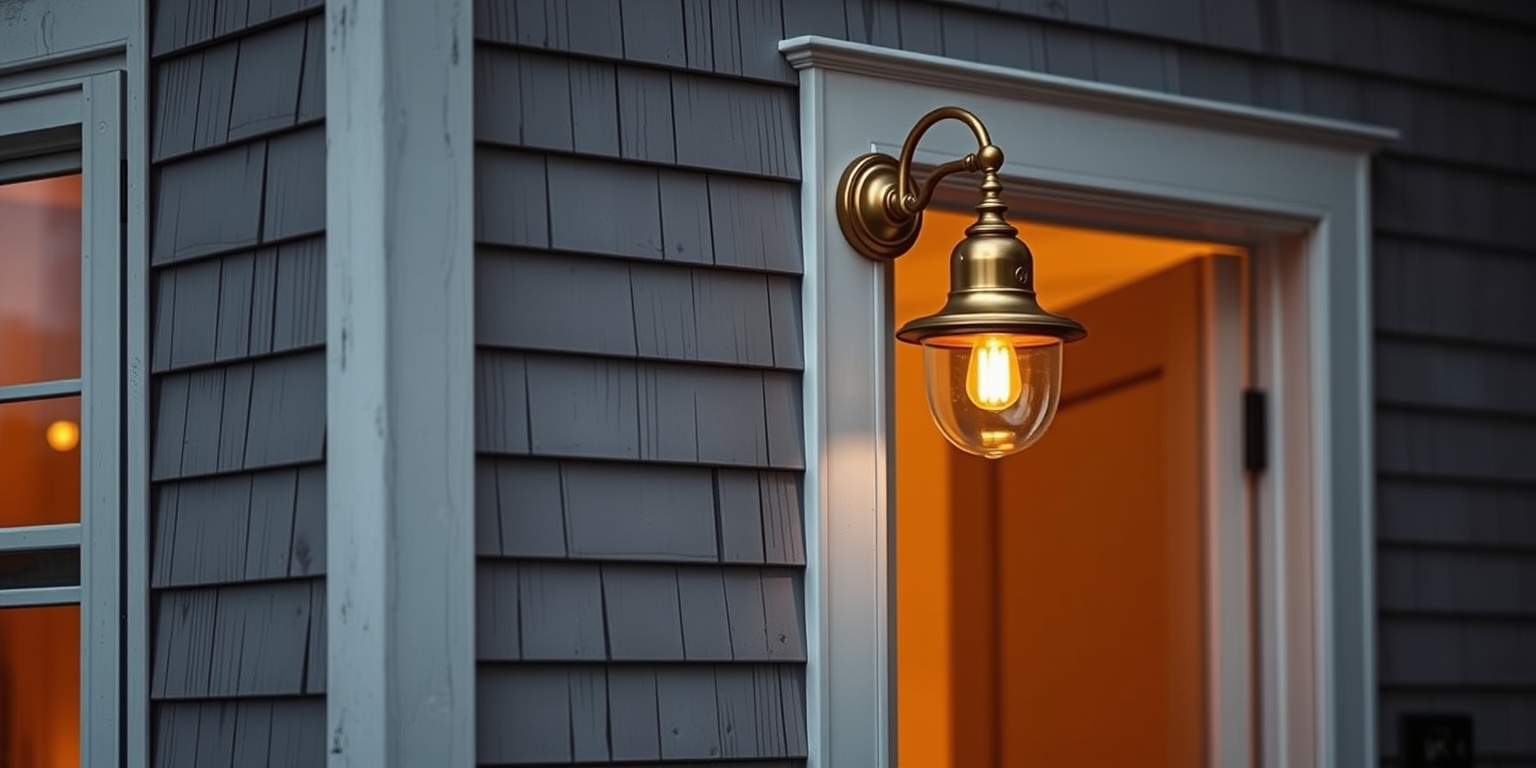
L'illuminazione nautica prende il suo linguaggio di design da navi, porti e architettura costiera: corpi in ottone o bronzo massiccio, gabbie protettive, vetro a oblò, forme bulkhead e lampadine Edison a vista. Originariamente progettati per resistere all'aria salmastra e all'umidità costante a bordo delle navi, gli apparecchi nautici autentici utilizzano ottone marino resistente alla corrosione. Nelle case americane funzionano in proprietà costiere e lacustri, case in stile Cape Cod e Nantucket, case sulla spiaggia, fattorie e qualsiasi interno che voglia richiamare un carattere marittimo o industriale. Sono installati sia all'interno (ingressi, bagni, cucine, soggiorni) sia all'esterno (portici, terrazze, esterni di garage, pali dei moli).
Tipi di apparecchi nautici: quale è adatto alla tua casa?
Applique bulkhead
Un bulkhead è la classica luce da parete navale: un apparecchio compatto, rotondo o ovale, con una gabbia protettiva sul vetro, montato a filo della parete. Se acquisti un solo apparecchio nautico, scegli un bulkhead. Funzionano su portici, accanto alle porte del garage, nei bagni e ai lati della porta d'ingresso. Le dimensioni tipiche sono da 7 a 11 pollici di altezza con una sporgenza di 5-6 pollici. Utilizzano una lampadina con attacco medio E26 e diffondono una luce calda e uniforme. Per l'uso esterno, verifica la certificazione UL per ambienti umidi. Il BARCINI Bulkhead Sconce (144$) è l'esempio più puro della forma; il LIPNO IP44 Sconce (119$) è l'opzione più economica in ottone massiccio.
Applique a oblò e con gabbia protettiva
Una gabbia protettiva o una cornice a oblò circonda la lampadina, esponendo il filamento per un aspetto industriale-marittimo. Sono adatte a cucine, verande coperte, soggiorni di case sulla spiaggia e seminterrati in stile pub. Utilizzano lampadine Edison grandi E26. Un globo G40 da 4–6W LED (equivalente a 40–60W a incandescenza) produce 350–470 lumen con una luce calda da 2200K a 2700K che valorizza l'ottone grezzo. Le dimensioni tipiche sono da 8 a 14 pollici di altezza con una proiezione di 6–8 pollici. La KALA Nautical Sconce (198$) e la più grande ASOPIA Sconce (289$) incarnano bene l'aspetto con vetro a gabbia.
Lampade da soffitto nautiche e a montaggio a filo
Lampade a soffitto in ottone a montaggio a filo e semi-incassate portano lo stile marittimo sopra la testa, ideale per ingressi con soffitti bassi, corridoi, spogliatoi e verande coperte. Le lampade a soffitto con gabbia protettiva richiamano l'aspetto delle luci del ponte di una nave. Il diametro varia da 8 a 12 pollici. Questi sono tra i pezzi nautici più venduti di Arel negli Stati Uniti: il PATIN MINI Ceiling Fixture parte da 148$, mentre il AIGLE Nautical Ceiling Fixture (287$) è la versione di grande impatto per un ingresso più ampio.
Lanternes da molo e pali
Lampade più grandi in stile lanterna progettate per il montaggio su pali, moli e pontili, o per muri d'ingresso alti. Qui è essenziale una costruzione in ottone massiccio più pesante (1,5–3 libbre) e una classificazione completa per ambienti umidi, poiché sono esposte direttamente alle intemperie. Sono adatte a proprietà sul lago e sul mare, lunghi vialetti e grandi ingressi costieri. La BAUTAR Dock Lamp (182$) è adatta per il montaggio su pali e pali; per le esposizioni più severe, la QUINTIN Outdoor Sconce (325$), con classificazione IP64, è sigillata contro gli spruzzi diretti.
Ottone massiccio vs ottone placcato: la distinzione che conta di più
L'ottone massiccio è ottone in tutto e per tutto. Se lo graffi, rimane ottone. Gli apparecchi placcati in ottone hanno uno strato sottile (5–25 micron) di ottone sopra una lega di zinco o acciaio. Vicino alla costa, dove l'aria salmastra accelera la corrosione, la placcatura si deteriora rapidamente: si gonfia, si sfalda e rivela il metallo base grigio sottostante, spesso in una sola stagione. L'ottone massiccio costa di più inizialmente ma è praticamente un acquisto unico — sviluppa una patina vivente che molti acquirenti nautici apprezzano, invece di degradarsi. Arel Lighting usa ottone massiccio ovunque: corpo, gabbia, cupola e piastra posteriore. Per qualsiasi casa a pochi chilometri dal mare, l'ottone massiccio non è opzionale.
Ottone laccato vs ottone non laccato (vivente)
L'ottone laccato ha un rivestimento protettivo trasparente che mantiene la finitura brillante e stabile. L'ottone non laccato (vivente) non ha rivestimento e sviluppa una patina — scurendosi e approfondendosi nel corso di mesi e anni. Per gli apparecchi nautici, l'ottone non laccato è spesso il punto: un apparecchio che appare invecchiato e autentico dopo cinque anni, anziché artificialmente lucido. Se vuoi mantenere l'aspetto brillante, scegli laccato. Se vuoi che l'apparecchio invecchi con una patina marina autentica, scegli non laccato — e aspettati che l'aria costiera acceleri magnificamente il processo.
Classificazioni per ambienti bagnati, umidi e asciutti (US/UL)
Negli Stati Uniti, gli apparecchi per esterni e bagni sono classificati per ambiente secondo il National Electrical Code e la certificazione UL — non dal sistema IP comune all'estero. Contano tre categorie:
- Ambiente asciutto: spazi interni abitativi lontani dall'umidità. La maggior parte degli applique decorativi interni.
- Ambiente umido: portici coperti, ponti coperti, bagni fuori dalla zona doccia — aree esposte all'umidità ma non all'acqua diretta. Classificazione minima per un portico coperto.
- Ambiente bagnato: esposto a pioggia diretta, neve e spruzzi — ponti aperti, pali del molo, pareti esterne senza copertura e all'interno di docce. Richiesto per qualsiasi apparecchio esposto direttamente alle intemperie.
Conferma sempre la classificazione prima di installare all'aperto. Un apparecchio con classificazione per ambienti asciutti su una parete esposta fallirà e può diventare un rischio di scossa elettrica. Molti apparecchi nautici Arel hanno classificazioni per ambienti umidi o bagnati — controlla le specifiche del prodotto.
Attacco lampadina: spiegazione dell'E26
E26 (attacco Edison medio) è la presa standard americana per la casa — quella presente nella maggior parte delle lampade e dei lampadari negli Stati Uniti. Le lampade nautiche usano quasi sempre l'E26, che accetta la più ampia gamma di lampadine LED, comprese le lampadine decorative a filamento. Per i modelli a gabbia e oblò, una lampadina LED a filamento E26 G40 o ST64 diventa un elemento visivo a sé stante. Evita le lampadine a luce fredda (oltre 4000K) nelle lampade in ottone — si scontrano con il metallo caldo. Mantieniti tra 2200K e 2700K per un bagliore caldo autentico.
Cablaggio: cablato vs a spina
Gli apparecchi cablati si collegano permanentemente all'impianto elettrico della casa tramite una scatola di giunzione, senza cavi visibili. Sostituire un apparecchio esistente sulla stessa scatola di giunzione è un'operazione semplice che molti proprietari fanno da soli; aggiungere un nuovo circuito, far passare nuovi cavi o installare all'esterno o in bagno è lavoro per un elettricista autorizzato e può richiedere un permesso a seconda del comune. Le applique nautiche a spina si collegano a una presa standard da 120V con un cavo visibile — nessun lavoro elettrico, ma il cavo può risultare disordinato. Per un aspetto costiero finito e permanente, il cablaggio fisso è la scelta giusta.
Guida ai prezzi (USD)
Meno di 150$ per apparecchio
A questo prezzo, l'ottone marino massiccio è praticamente inesistente tra i produttori affidabili. Si acquista ottone placcato su zinco o alluminio. Avrà un aspetto convincente per una o due stagioni e poi corroderà la gabbia, le viti e i bordi — rapidamente se si è vicino all'acqua salata. Ragionevole per un affitto o un allestimento rapido. Non la scelta giusta per una casa costiera che si intende mantenere.
150–350$ per apparecchio
Qui l'ottone massiccio diventa accessibile. La maggior parte della gamma nautica di Arel Lighting si colloca in questa fascia — corpi in ottone massiccio, rifiniti a mano, con spedizione gratuita negli USA e garanzia del produttore. Per la maggior parte dei proprietari che arredano un portico, un ingresso o un bagno con due-quattro apparecchi, questo è il livello giusto: qualità che invecchia con carattere anziché corrodersi.
350–500$+ per apparecchio
Lanterne da molo più grandi, plafoniere marine e pezzi di design. La differenza di qualità dell'ottone rispetto alla fascia media è marginale — ottone massiccio è ottone massiccio. Il prezzo premium copre dimensioni, massa, dettagli di fusione e ingegneria completa per ambienti bagnati per le esposizioni più severe.
Consigli stanza per stanza e per esterni
Portico anteriore e ingresso
Montare le applique a parete o le lanterne a gabbia a 66-72 pollici dal pavimento (all'incirca all'altezza degli occhi) su entrambi i lati della porta, oppure un unico apparecchio centrato sopra. Per un portico coperto, è necessario almeno un grado di protezione per ambienti umidi; per un ingresso esposto, scegliere un grado per ambienti bagnati. Una coppia di applique in ottone massiccio è il segnale più riconoscibile di una casa costiera. La Applique SLATINA (148$) è un abbinamento affidabile per il portico.
Bagno
Affianca lo specchio con applique nautiche a un'altezza di 66–70 pollici, distanziate di 28–36 pollici per un lavabo standard. L'illuminazione laterale elimina le ombre sotto gli occhi create dall'illuminazione dall'alto. Conferma una classificazione damp fuori dalla doccia e wet all'interno. Ottone e vetro oblò portano un carattere da cabina yacht che funziona magnificamente in un bagno di servizio.
Soggiorno costiero e patio coperto
Applique a gabbia e lanterna a 60–66 pollici aggiungono calore senza abbagliare. Su un patio coperto o un portico stagionale, gli apparecchi in ottone con classificazione damp resistono all'umidità e all'aria salata sviluppando la patina che li fa sembrare sempre presenti.
Molo, pontile e lungomare
Usa lanterne pesanti in ottone con classificazione wet su cappelli di pali e pali esterni. L'ottone massiccio è l'unico materiale che sopravvive a lungo alla spruzzatura costante; gli apparecchi placcati non dureranno una stagione al bordo dell'acqua.
Acquista la collezione nautica
Sfoglia ogni apparecchio in questa guida, da bulkhead a partire da 119$ a lanterne da molo con classificazione wet, nella Collezione Nautica & Outdoor Arel — tutto in ottone massiccio, tutto spedito gratuitamente negli Stati Uniti.
Domande frequenti
L'illuminazione nautica è solo per case costiere?
No. Sebbene gli apparecchi nautici siano una scelta naturale per proprietà costiere, lacustri e sul lungomare, l'estetica della gabbia e del bulkhead in ottone massiccio si adatta anche a fattorie, loft industriali, bungalow in stile Craftsman e qualsiasi interno che desideri un carattere caldo, robusto e artigianale. L'aspetto marittimo è diventato una scelta di design americana diffusa ben oltre la linea costiera.
Gli apparecchi nautici in ottone massiccio si corrodono vicino all'acqua salata?
Il ottone massiccio non si corrode come il metallo placcato. Invece sviluppa una patina vivente — scurendosi e approfondendosi nel tempo — che la maggior parte degli acquirenti nautici considera desiderabile. L'aria salata semplicemente accelera questo invecchiamento naturale. Gli apparecchi placcati in ottone, al contrario, si corrodono fino al metallo di base e si guastano entro una stagione vicino all'acqua salata. Per qualsiasi casa sul lungomare, l'ottone massiccio è l'unica scelta durevole.
Ho bisogno di un elettricista per installare un'applique da parete nautica?
Sostituire un apparecchio cablato esistente sulla stessa scatola di giunzione è un'operazione semplice che molti proprietari di casa negli USA possono fare da soli. Aggiungere un nuovo circuito, far passare nuovi cavi o installare un apparecchio all'esterno o in bagno è lavoro per un elettricista autorizzato e potrebbe richiedere un permesso locale. I modelli a spina che si collegano a una presa standard da 120V non richiedono alcun lavoro elettrico.
Quale lampadina funziona meglio in un apparecchio nautico in ottone?
La scelta corretta è una lampadina LED a filamento E26 con temperatura colore tra 2200K e 2700K. Riproduce il caldo bagliore ambrato di una lampada da nave, consuma l'80-90% in meno rispetto a una lampadina a incandescenza e dura 15.000-25.000 ore. Per design con gabbia o oblò, usa una lampadina a filamento G40 o ST64 da 4-6W in modo che la forma della lampadina diventi un elemento visivo. Evita LED a luce bianca fredda o luce diurna — stonano con l'ottone caldo e appaiono clinici.
Qual è la differenza tra apparecchi per ambienti umidi e bagnati?
Un apparecchio per ambienti umidi è progettato per aree coperte e umide senza contatto diretto con l'acqua — portici coperti, terrazze coperte, bagni fuori dalla doccia. Un apparecchio per ambienti bagnati è sigillato per resistere a pioggia diretta, neve e spruzzi — terrazze aperte, pali del molo, pareti esterne esposte e all'interno di box doccia. Assicurati sempre che l'apparecchio corrisponda o superi il livello di esposizione del luogo di installazione.
Arel Lighting offre spedizione gratuita negli USA per apparecchi nautici?
Sì. Arel Lighting spedisce gratuitamente a tutti gli indirizzi USA senza ordine minimo. Ogni apparecchio è realizzato a mano in ottone massiccio a Istanbul e ha garanzia del produttore. La consegna avviene tramite corriere tracciato.
Letture correlate
- Applique da Parete in Ottone: La Guida Completa per l'Acquirente — ottone massiccio vs placcato, finiture e posizionamento stanza per stanza.
- Applique da Parete per Esterni — apparecchi in ottone resistenti alle intemperie per portici, terrazze e esterni.
- Collezione Applique da Parete in Ottone — l'intera gamma di applique da interno, realizzate a mano in ottone massiccio.
Pubblicato da
Team Editoriale di Arel Lighting
Ogni guida è basata su specifiche del produttore, standard elettrici USA e UL per le ubicazioni, e conoscenze aggiornate del mercato. Arel Lighting realizza a mano illuminazione nautica e decorativa in ottone massiccio a Istanbul e spedisce gratuitamente in tutti gli Stati Uniti.
Informazioni su Arel Lighting · Acquista Illuminazione Nautica