Bedroom Lighting Ideas: Bedside, Ambient & Reading Light
Quick answer: Light a bedroom in three layers — soft ambient light overhead or from lamps, focused reading light beside the bed, and low accent light for atmosphere. Bedside wall sconces are the single best upgrade: mount them so the bottom of the shade sits 30–36 inches above the mattress, fit warm 2700K bulbs on a dimmer, and you get reading light that frees your nightstand and won't disturb a sleeping partner.
The bedroom is the one room where lighting is as much about how you feel as how you see. It has to wind you down at night, wake you gently in the morning, and give you focused light to read by — often all from the same corner. The secret is layering, and a few well-placed fixtures transform a flat, single-light bedroom into a restful retreat. Here are practical bedroom lighting ideas for US homes.
Think in Three Layers
Every well-lit bedroom combines three kinds of light:
- Ambient — the soft overall glow that fills the room, from a ceiling fixture, lamps, or wall sconces.
- Task — focused light for reading in bed or at a vanity.
- Accent — low, atmospheric light that adds warmth and depth at night.
A single overhead fixture only delivers the first, and harshly at that. Adding the other two layers is what makes a bedroom feel calm and considered.
Bedside Wall Sconces: The Best Upgrade
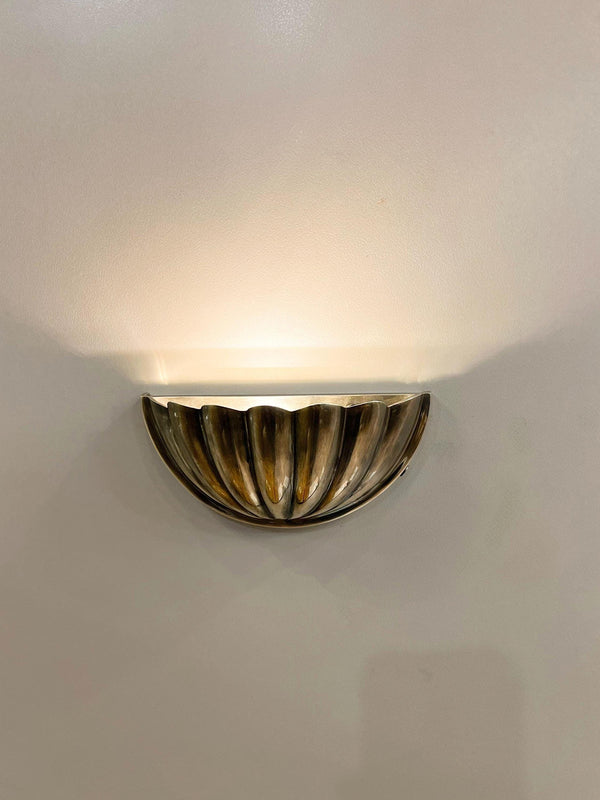
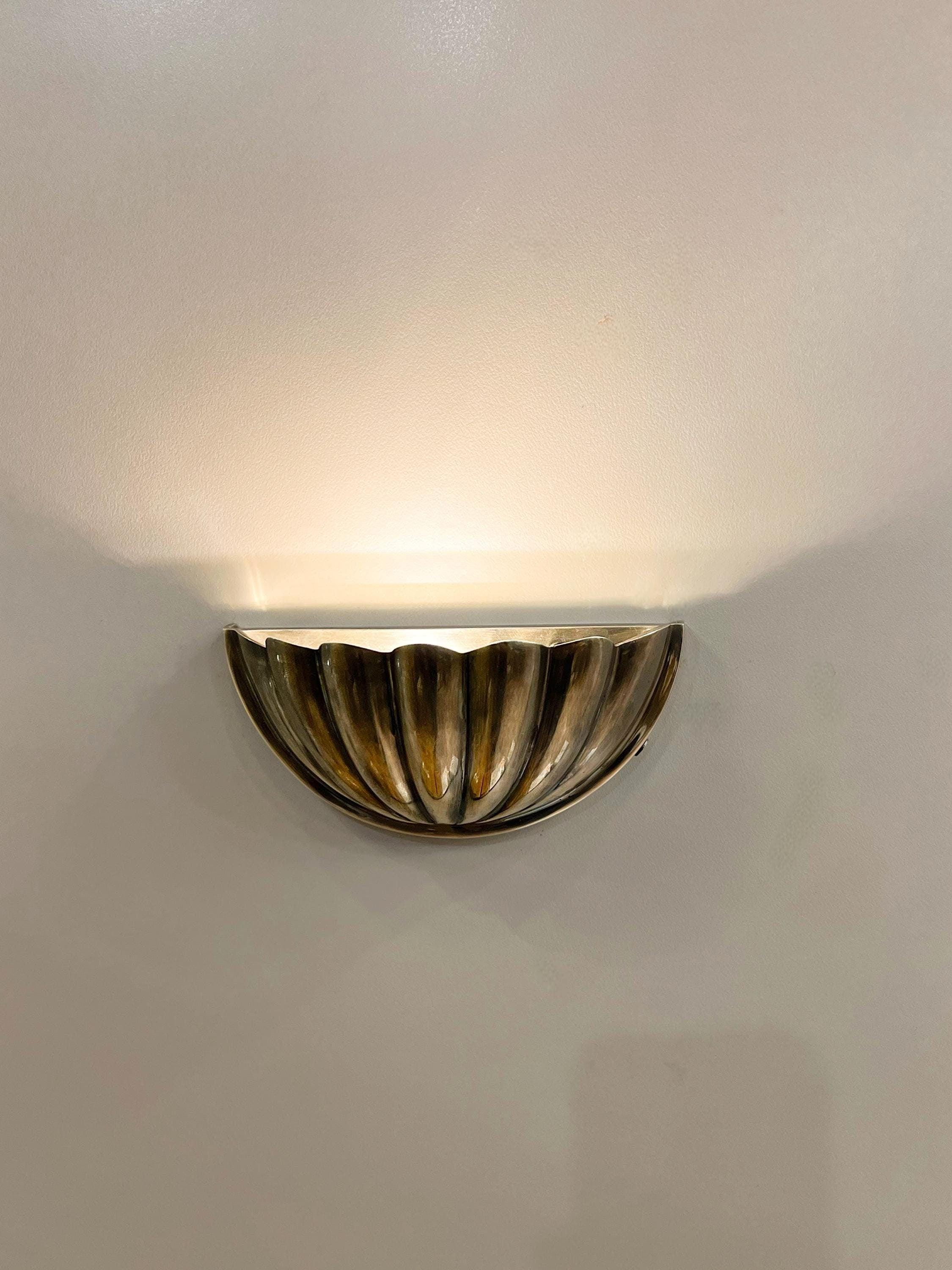
If you do one thing, add bedside sconces. Mounted on the wall beside the headboard, they deliver focused reading light, free up your nightstand from a bulky lamp, and add a designed, hotel-like symmetry to the room. Mount them so the bottom of the shade is 30–36 inches above the mattress (often around 60–66 inches from the floor), positioned slightly toward the outer edge of the nightstand so the light clears your shoulder as you sit up to read. An articulating swing-arm sconce is ideal because you can angle it exactly onto the page — and pull it aside when you're done.
Reading Light That Won't Disturb a Partner
The classic bedroom problem: one person wants to read while the other sleeps. The fix is directional, individually controlled light. Choose bedside sconces with an adjustable arm or a focused shade so the light falls on your book and not across the whole bed, and put each side on its own switch or a smart bulb so you can read while your partner's side stays dark. Warm 2700K bulbs keep the light restful rather than stimulating, which matters for winding down toward sleep.
Ambient Light Without the Harsh Ceiling Glare
General bedroom light should be soft, never glaring. A few ways to achieve it:
- Put any overhead fixture on a dimmer so it's never at full blast in the evening.
- Use wall sconces or lamps as the main ambient source for a gentler, layered glow.
- Bounce light off the ceiling or walls with an uplight or a shaded fixture to soften shadows.
The aim is even, low-contrast light that relaxes the room rather than lighting it like an office.
Don't Forget the Vanity or Dressing Area
If your bedroom includes a vanity or dressing mirror, treat it like a mini bathroom: flank the mirror with a pair of sconces at roughly eye level for even, shadow-free light on your face — far more flattering than a single overhead fixture that casts shadows under the eyes. This is where task light earns its keep in the bedroom, and matching the sconces to your bedside fixtures ties the room together.
Accent Light for Atmosphere
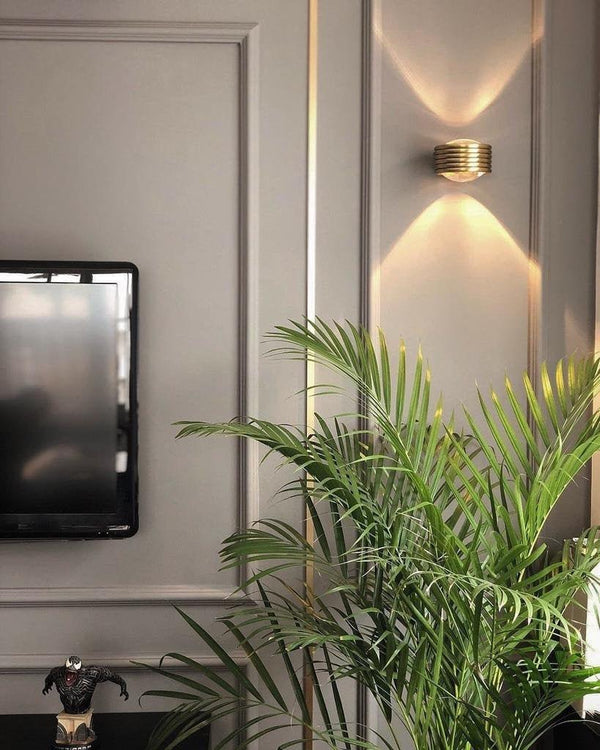
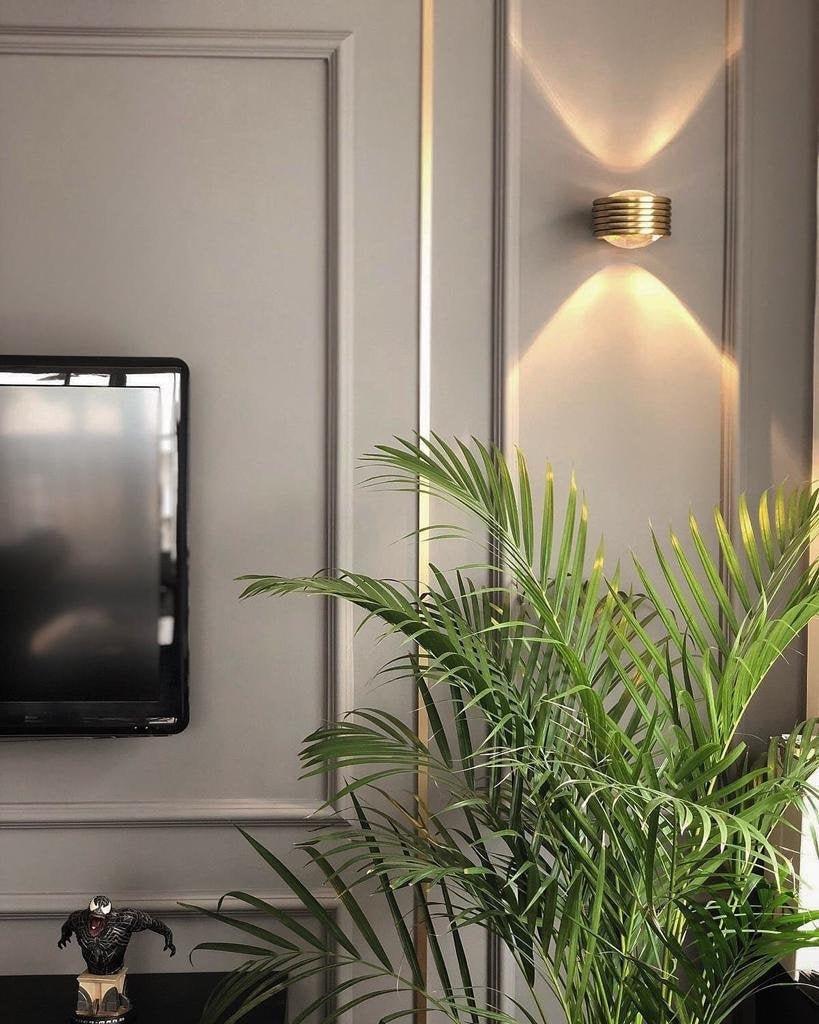
The final layer is what makes a bedroom feel like a retreat at night: low, warm accent light. A small lamp on a dresser, an LED strip behind the headboard, or a plug-in sconce washing a textured wall all add depth and a sense of calm. Kept dim and warm, accent light is what you leave on while you wind down — bright enough to move around, soft enough to signal to your body that it's nearly time to sleep.
Bedroom Lighting at a Glance
| Layer | Fixture | Setting |
|---|---|---|
| Ambient | Dimmable ceiling fixture or lamps/sconces | Soft, even, dimmable |
| Reading (task) | Bedside swing-arm sconces | Directed, per-side control |
| Vanity (task) | Pair of sconces flanking mirror | Eye level, shadow-free |
| Accent | Small lamp / LED / plug-in sconce | Low and warm |
Bedroom Lighting by Room Size & Layout
The same three-layer approach scales to any bedroom — you just adjust the fixtures:
- Small bedroom or apartment: skip a bulky ceiling fixture and let a pair of bedside wall sconces do the heavy lifting. They free the nightstands and add symmetry that makes a small room feel intentional. Add one corner floor lamp for ambient fill.
- Primary bedroom: layer generously — bedside sconces for reading, dimmable ambient light (overhead or lamps), a vanity pair if you have a dressing area, and low accent light on a dresser. The extra square footage rewards more sources at different heights.
- Bedroom with a reading nook: add a dedicated task light — a swing-arm sconce or floor lamp — beside the chair, separate from the bed, so the nook has its own pool of light for evening reading.
- Rental bedroom: use plug-in sconces beside the bed and lamps elsewhere, all removable, so you get the layered look without touching the wiring.
Whatever the size, the principle holds: several warm, dimmable sources beat one bright ceiling light, and bedside sconces are the upgrade that makes the biggest difference in the smallest amount of space.
Bulbs, Warmth & Sleep
Bedroom lighting works best when it works with your body. Warm 2700K light in the evening supports winding down, while cool, blue-rich light does the opposite and can make it harder to fall asleep. Put as much of the room as possible on dimmers so you can lower the light as bedtime approaches, and consider warm-dim bulbs that grow cozier as you dim them, mimicking candlelight. Save any cooler, brighter light for a task like reading or a morning routine — never for the whole room at night.
Smart Lighting & Morning Wake-Up
A few smart touches make bedroom lighting effortless. Put your sources on smart bulbs or dimmers so you can dim the whole room from bed as you settle in, and set an evening scene that warms and lowers the light automatically as bedtime approaches. In the morning, a sunrise-simulation bulb in a bedside sconce or lamp can brighten gradually to wake you gently — far kinder than a jarring overhead light or a phone alarm. If you share the room, per-side smart controls mean one person can start their morning while the other stays in the dark. The goal is lighting that adapts to the rhythm of sleep and waking rather than a single switch you flip on and off.
Tying the Bedroom Together
Finally, let the finishes unify the room. Matching the metal of your bedside sconces, vanity fixtures, and lamp bases — warm brass is a natural choice for a restful bedroom — makes the layered lighting read as one considered scheme rather than a collection of separate purchases. Warm brass also glows beautifully under 2700K light, adding to the cozy, enveloping feel a bedroom should have. Get the layers, the warmth, and the finishes aligned, and the bedroom becomes the calm retreat it is meant to be.
Common Bedroom Lighting Mistakes
- Relying on one overhead light. It's flat and harsh — layer in sconces, lamps, and accent light.
- Bedside lamps that are too big. They crowd the nightstand; wall sconces free the surface.
- Cool bulbs. 4000K+ light fights sleep; keep the bedroom at 2700K.
- No dimmers. A bedroom needs to shift from bright to restful; dimmers make that possible.
- Shared switching. Give each side of the bed its own control so one can read while the other sleeps.
Frequently Asked Questions
How should you light a bedroom?
Layer three kinds of light: soft ambient light (dimmable overhead or lamps/sconces), focused reading light beside the bed, and low accent light for atmosphere. Use warm 2700K bulbs on dimmers throughout.
How high should bedside wall sconces be?
Mount them so the bottom of the shade sits 30–36 inches above the mattress — often around 60–66 inches from the floor — positioned toward the outer edge of the nightstand for comfortable reading.
What is the best lighting for reading in bed?
An adjustable swing-arm bedside sconce with a warm 2700K bulb, on its own switch, so you can direct light onto the page without disturbing a sleeping partner.
What color light is best for a bedroom?
Warm-white 2700K supports winding down in the evening. Avoid cool, blue-rich light at night, which can make it harder to fall asleep.
Do you need a ceiling light in a bedroom?
No. Many bedrooms are beautifully lit with layered wall sconces, lamps, and accent light instead — often a softer, more restful result than a single ceiling fixture.
Explore our handcrafted brass wall sconces
Perfect for the bedside and vanity, each cast and finished by hand in solid brass by Arel Lighting, with free US shipping.
Browse the brass wall sconces collection, or read our wall sconce placement guide.