Article: Kitchen Lighting Ideas Beyond the Island
Kitchen Lighting Ideas Beyond the Island
Kitchen Lighting Ideas Beyond the Island
Quick answer: Light a kitchen in layers — ambient overhead light for the whole room, task light where you work (under-cabinet lighting and pendants over the island), and accent light for warmth and depth (wall sconces, in-cabinet glow). Don't rely on a single ceiling fixture. Use warm-to-neutral 2700–3000K bulbs with high CRI so food and finishes look their best, and put the layers on separate switches or dimmers.
Kitchen lighting gets a lot of attention for the island, but a truly well-lit kitchen is about much more than the pendants over the counter. It has to light the countertops you chop on, the sink you work at, the whole floor you move around, and set a warm mood for the times the kitchen becomes a gathering space. This guide covers kitchen lighting ideas beyond the island, layer by layer, for US homes.
The Layers a Kitchen Needs
A functional, inviting kitchen combines several layers:
- Ambient: overall light for the room, from ceiling fixtures or recessed downlights.
- Task: focused light on work surfaces — under-cabinet lighting, pendants over the island, and light at the sink and range.
- Accent: warmth and depth from wall sconces, in-cabinet lighting, or toe-kick glow.
Kitchens are working rooms, so task light matters more here than almost anywhere — but the accent layer is what stops a kitchen from feeling clinical.
Under-Cabinet Lighting: The Non-Negotiable
If the island gets the glory, under-cabinet lighting does the real work. Mounted beneath the upper cabinets, it lights the countertop directly — exactly where you chop, mix, and prep — eliminating the shadow your own body casts when you work under a ceiling fixture. LED strips or puck lights are inexpensive, easy to add, and transform how usable a kitchen feels after dark. Choose warm-to-neutral 2700–3000K with high CRI so ingredients and finishes look true. For most kitchens, under-cabinet lighting is the single highest-impact upgrade after the island pendants.
Light the Sink and Range
Two work zones are easy to overlook. The sink — often against a wall or under a window — benefits from its own light: a recessed downlight, a small pendant, or a pair of flanking sconces if it sits below a window. The range usually has a hood with built-in lighting, but confirm it's bright and warm enough for cooking; if not, add a downlight above it. Lighting these zones directly means you're never working in your own shadow at the two spots you use most.
Wall Sconces in the Kitchen
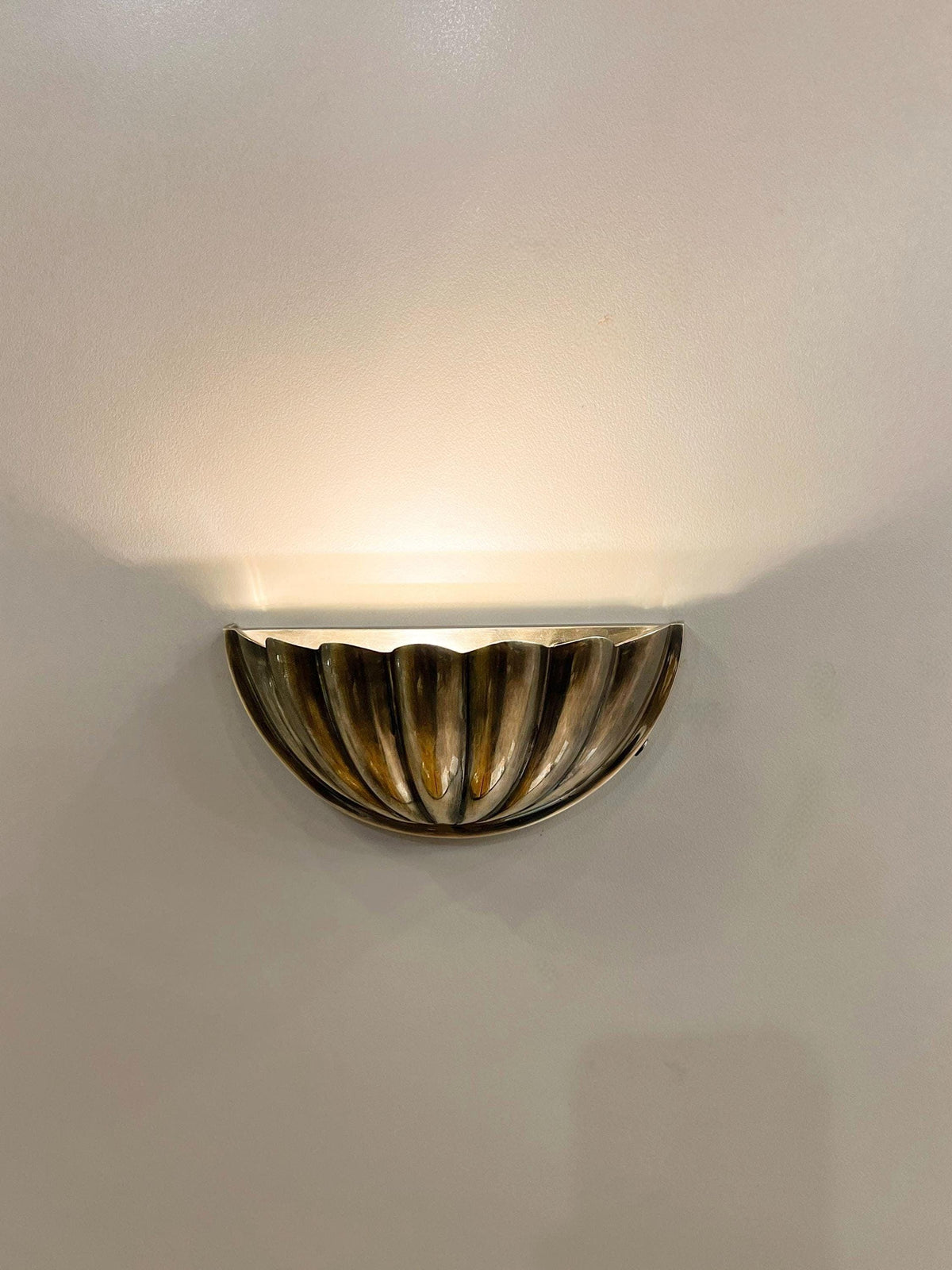
Sconces are an underused kitchen idea that adds warmth and character. Flanking a window over the sink, framing a range hood, or lighting a breakfast nook, a pair of warm brass sconces brings eye-level glow that recessed lights can't — and softens the hard surfaces of a kitchen. They're especially effective in transitional and traditional kitchens, and they make the room feel like part of the home rather than a purely utilitarian space. On a dimmer, kitchen sconces also provide gentle evening light when you don't need the full task layer blazing.
Ambient & Ceiling Light
The ambient layer fills the room evenly so there are no dark corners. Recessed downlights in a considered grid are the most common approach, but a central flush or semi-flush fixture — or a pair of them in a larger kitchen — works well too. The key is even coverage: light the pathways, the pantry, and the corners, not just the center. Put ambient light on its own switch so you can run the whole room bright for cleaning and cooking, then drop to task and accent layers for a softer evening feel.
Kitchen Lighting at a Glance
| Zone | Lighting |
|---|---|
| Countertops | Under-cabinet LED / puck lights |
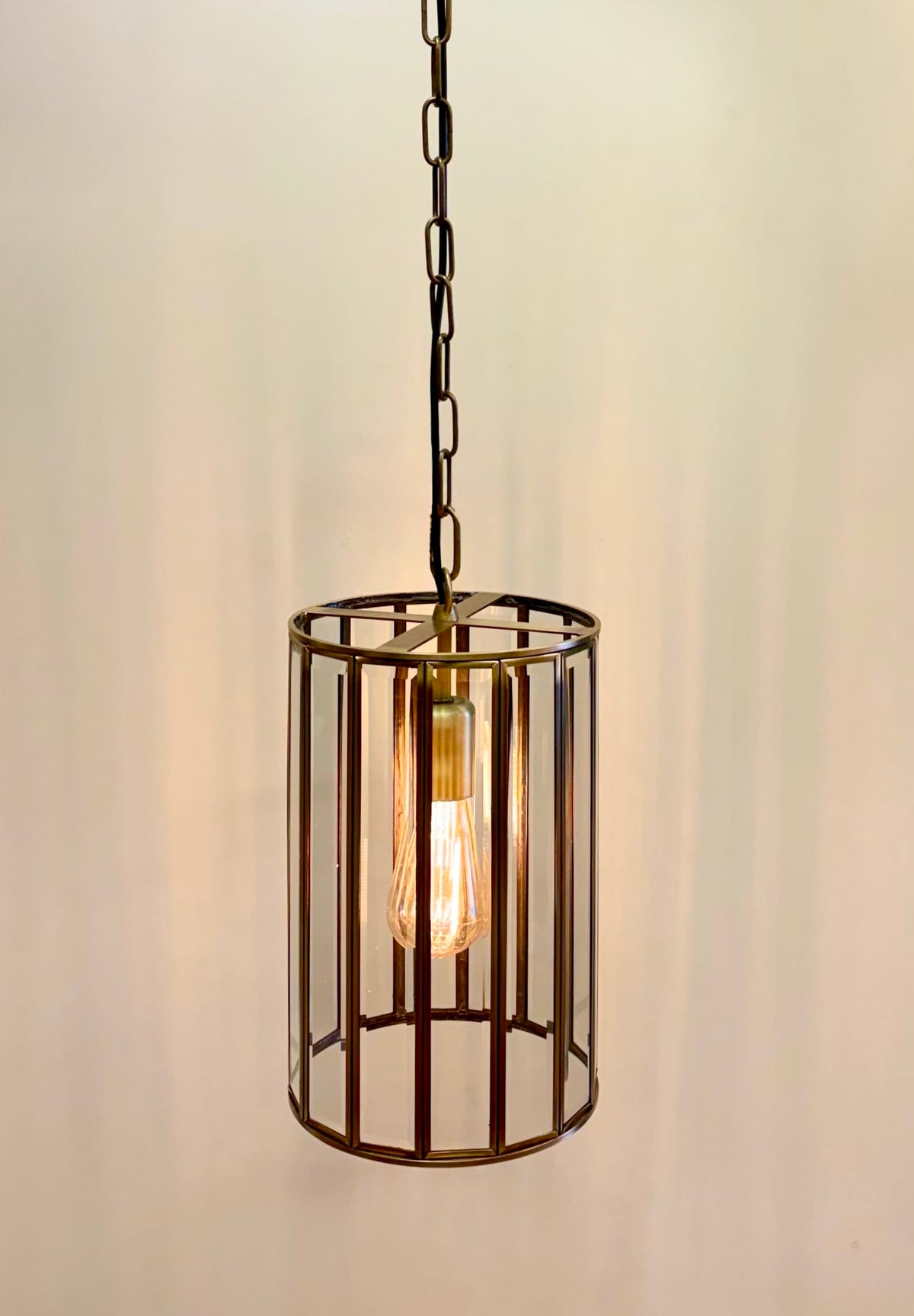
| Island | Pendants (2–3, sized to the island) |
| Sink | Downlight or flanking sconces |
| Whole room | Recessed downlights / flush mount |
| Accent | Wall sconces, in-cabinet, toe-kick |
Bulbs: Color & CRI for the Kitchen
Kitchens have a specific need: food and finishes have to look their true color. Choose warm-to-neutral 2700–3000K — 3000K adds a touch of clarity for prep while staying inviting, and 2700K feels cozier for open-plan kitchens that flow into living space. Critically, use high-CRI (90+) bulbs so raw ingredients, cooked food, and your cabinet and countertop colors render accurately; low-CRI light makes food look dull and unappetizing. Keep all the layers in the same tone so the kitchen reads as one cohesive space, and put the task and ambient layers on separate controls.
Open-Plan & Eat-In Kitchens
When the kitchen flows into a dining or living area, lighting has to bridge work and relaxation. Keep the task layers (under-cabinet, island pendants) firmly practical, but lean the ambient and accent layers warm and dimmable so the space can soften in the evening to match the adjoining living area. A pendant or small chandelier over an eat-in table, plus wall sconces on a shared wall, ties the kitchen visually to the rest of the open plan. The trick is separate controls: bright and functional for cooking, warm and low for lingering after dinner.
Lighting Different Kitchen Layouts
The layers stay the same, but where you place them shifts with the layout. A galley kitchen relies heavily on under-cabinet task light along both runs, with a couple of ceiling downlights for ambient fill. An L-shaped kitchen benefits from under-cabinet lighting on the counters plus a pendant or sconce pair to anchor the open corner or a nearby eating area. A U-shaped kitchen wraps the cook in counters, so under-cabinet light on all three runs is essential, with even ceiling coverage above. And a kitchen with no upper cabinets — increasingly popular — loses its under-cabinet option, so lean on wall sconces, a picture light over open shelving, and well-placed downlights to light the counters instead. Match the plan to the layout and no work surface is left in shadow.
Smart & Dimmable Controls
A kitchens lighting needs change through the day, so control matters as much as the fixtures. Put the layers on separate switches at minimum — ambient, task, and accent — so you can run the room bright for cooking and cleaning, then drop to a warm task-and-accent glow for the evening. Better still, add dimmers or smart switches so each layer can be fine-tuned, and set scenes for cooking, dining, and late-night snacking. In an open-plan kitchen this is especially valuable, letting the kitchen recede into a soft, warm background when the adjoining living space is in relaxation mode. The right controls turn a well-lit kitchen into an adaptable one.
Common Kitchen Lighting Mistakes
- Relying on one ceiling light. It leaves counters in your shadow — add under-cabinet task light.
- Skipping under-cabinet lighting. The highest-impact task upgrade in most kitchens.
- Low-CRI bulbs. They make food and finishes look dull; use CRI 90+.
- All layers on one switch. Separate controls let you shift from bright prep to soft evening.
- Forgetting warmth. A kitchen of only bright recessed lights feels clinical; add sconces and dimmers.
The Takeaway
A great kitchen is lit in layers, not by one ceiling light. Add under-cabinet task light for the counters, light the sink and range directly, bring warmth and character with wall sconces, and fill the room with even ambient light — all in warm-to-neutral, high-CRI bulbs on separate, dimmable controls. Beyond the island, it is these layers working together, each on its own control and in the same warm tone, that make a kitchen both hardworking and genuinely inviting to cook in and to spend time in with family and guests.
Frequently Asked Questions
How should you light a kitchen?
Layer ambient overhead light, task light on work surfaces (under-cabinet lighting and island pendants), and accent light like wall sconces. Use warm-to-neutral 2700–3000K, high-CRI bulbs, and put the layers on separate switches or dimmers.
What is the best lighting for kitchen countertops?
Under-cabinet lighting — LED strips or puck lights beneath the upper cabinets — lights the counter directly and eliminates the shadow your body casts under a ceiling fixture. It's the highest-impact task upgrade in most kitchens.
Can you put wall sconces in a kitchen?
Yes. Sconces flanking a window over the sink, framing a range hood, or in a breakfast nook add warm eye-level light and character that recessed lights can't provide.
What color temperature is best for a kitchen?
Warm-to-neutral 2700–3000K with a high CRI of 90+, so food and finishes look true. 3000K adds prep clarity; 2700K feels cozier in open-plan kitchens.
How many pendants over a kitchen island?
Two for a 4–7 ft island and three for 7–10 ft, sized so their combined width is about a third of the island's length. See our kitchen island pendant sizing guide for details.
Explore our handcrafted brass kitchen lighting
Sconces and pendants cast and finished by hand in solid brass by Arel Lighting, with free US shipping.
Browse the pendant lights collection, or read our kitchen island pendant sizing guide.