
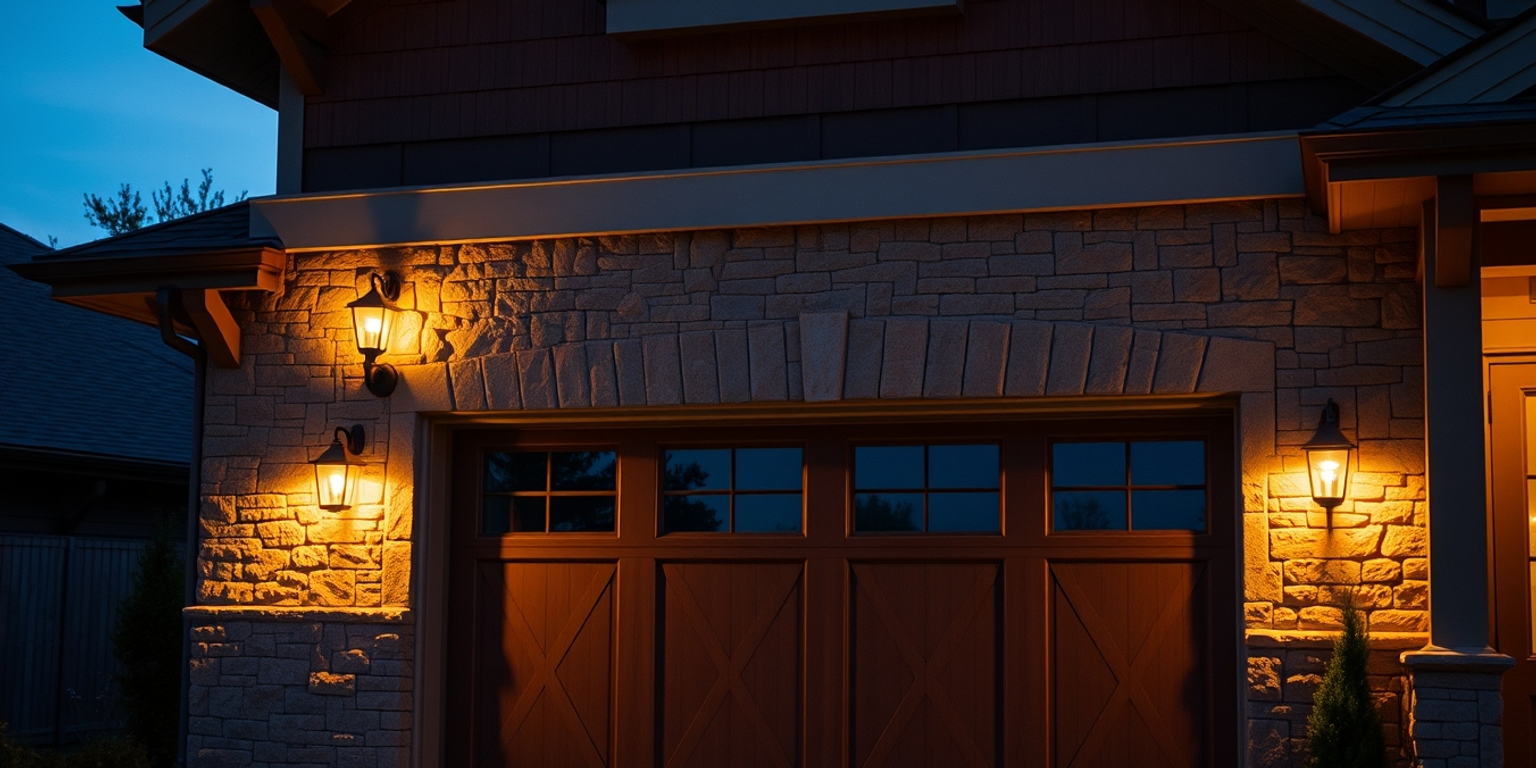
Outdoor Brass Wall Sconces: A US Buyer's Guide to Weatherproof Lighting
An outdoor sconce takes more abuse than any other light in your home. Rain, UV, freeze-thaw cycles, and (near the coast) salt air all work against it year-round. Most exterior fixtures are brass-plated steel or zinc, and within a season or two the plating blisters and the steel underneath streaks rust down your siding. This guide explains how to buy an outdoor brass wall sconce that actually survives, what the wet- and damp-location ratings mean, and where solid brass is worth the extra money.
What makes an outdoor sconce different from an indoor one?
Two things: the seal and the metal. An outdoor-rated fixture is built to keep moisture out of the socket and wiring, and it's made from a metal that survives constant weather exposure. Solid brass and bronze are the two materials that genuinely last outdoors. Brass-plated steel looks identical on day one and fails within a couple of seasons, especially anywhere with real winters or salt air. If a fixture's price looks too good for solid brass, it almost certainly isn't solid brass.
Wet, damp, and dry ratings (US/UL)
In the US, exterior fixtures are rated by location under the National Electrical Code and UL listing. Three categories matter:
- Wet location: exposed to direct rain, snow, and spray. Required for open walls, uncovered entries, garage exteriors, and anything facing the weather. The QUINTIN IP64 Sconce ($325) and PONTIVY IP64 Sconce ($315) are sealed for this.
- Damp location: covered porches, soffits, and deck ceilings — humid but no direct water. This is the minimum for any covered outdoor spot.
- Dry location: indoor only. Never use a dry-rated fixture outside; it will let water into the wiring.
Match or exceed the exposure of your install spot. When in doubt, go wet-rated — it works anywhere a damp-rated fixture does, plus the exposed spots it doesn't.
Solid brass vs brass-plated: why it matters more outdoors
Indoors, brass plating might last years before it wears at the edges. Outdoors, the timeline collapses. Sun breaks down the lacquer, water gets under the plating, and the base metal corrodes from beneath. With plated steel you also get rust streaks down your wall. Solid brass has no base metal to corrode. It develops a patina — a natural darkening that many homeowners actually want on an exterior fixture — rather than degrading. Arel's outdoor range is solid brass throughout, including cast pieces like the MOTRU Cast Brass Sconce ($251) and the up/down LIDAR Sconce ($215).
Styles of outdoor brass sconce
Cast brass lantern and box sconces
Heavier cast-brass fixtures with real mass (1–2.5 lbs) suit Craftsman, Colonial, and traditional homes. They read as permanent architecture rather than a fixture bolted on later. The BALACIA Cast Sconce ($254) and NOVI Cast Sconce ($254) are good examples.
Up/down sconces
These throw light both upward and downward for a modern, architectural wash on the wall. They suit contemporary and transitional exteriors and work well in pairs along a long facade. The LIDAR Up/Down Sconce ($215) is the cleanest option here.
Adjustable and directional sconces
A fixture you can angle is useful for highlighting a house number, a path, or an entry. The TRAIAN Adjustable Sconce ($245) lets you aim the light after installation.
Handmade brass sconces
For a softer, artisan look, hand-formed brass fixtures carry small irregularities that mass-cast pieces don't. The CANTERS Handmade Sconce ($187) is a good entry into solid brass at a lower price.
Bulb and socket
Outdoor brass sconces use the standard E26 medium-base socket. Choose an LED bulb rated for damp or wet use and a warm color temperature of 2700K — warmer light reads as welcoming on a facade, while cool white looks like a parking lot. For exposed glass fixtures, an LED filament bulb adds character; for enclosed fixtures, a standard A19 LED is fine. Avoid anything over 3000K on a brass fixture.
Mounting height and placement
Mount flanking sconces at 66–72 inches from the floor (eye level) on either side of the front door. For a single fixture beside a door, center it at the same height on the latch side. For garage doors, mount sconces 6–12 inches above the opening. Along a long facade, space fixtures evenly every 8–10 feet so the wall reads as lit rather than spotlit. Confirm a junction box exists at each location, or budget for an electrician to add one.
Price guide (USD)
Under $150 per fixture
Solid brass is rare at this price outdoors. You're usually buying brass-plated steel or aluminum, which will rust or corrode within a couple of seasons. Fine for a rental; not for a house you're keeping.
$150–$325 per fixture
Where solid brass becomes the norm. Most of Arel's outdoor range sits here, with free US shipping and a manufacturer warranty. For a typical install of two to four fixtures around a front entry and garage, this is the right level.
$325+ per fixture
Larger cast pieces, fully wet-rated marine fixtures, and statement lanterns for grand entries or harsh coastal exposure.
Shop outdoor brass sconces
Every fixture in this guide is solid brass and shipped free across the US. Browse the full range in the Arel Outdoor Wall Collection.
Frequently asked questions
Do outdoor brass sconces rust?
Solid brass does not rust — it contains no iron. It develops a patina, a natural darkening that many homeowners prefer on an exterior fixture. Brass-plated steel, by contrast, rusts once the plating fails, often streaking the wall below. For a fixture that lasts outdoors, solid brass is the only reliable choice.
What's the difference between wet-rated and damp-rated outdoor fixtures?
A wet-rated fixture withstands direct rain, snow, and spray, so it works on exposed walls and uncovered entries. A damp-rated fixture is for covered areas with humidity but no direct water, like a porch ceiling or soffit. Wet-rated works anywhere damp-rated does, so when unsure, choose wet.
How high should I mount an outdoor wall sconce?
Mount flanking sconces at 66–72 inches from the floor — roughly eye level — on either side of a door. For garage doors, mount 6–12 inches above the opening. Along a long wall, space fixtures every 8–10 feet for even coverage.
Do I need an electrician to install an outdoor sconce?
Replacing an existing fixture on an existing junction box is a swap many homeowners do themselves. Adding a new exterior circuit or junction box is work for a licensed electrician and often requires a permit. Always cut power at the breaker before working on any fixture.
What bulb is best for an outdoor brass sconce?
An E26 LED rated for damp or wet use, at 2700K color temperature. Warm light flatters brass and reads as welcoming; cool white looks harsh on a home exterior. For exposed-glass fixtures, an LED filament bulb adds character.
Does Arel Lighting offer free US shipping on outdoor sconces?
Yes. Arel ships free to all US addresses with no minimum order. Every outdoor fixture is handcrafted from solid brass and carries a manufacturer warranty, delivered via tracked courier.
Related reading
- Nautical Lighting: The Complete Buyer's Guide for US Homes — bulkhead, porthole, and dock fixtures in solid brass.
- Nautical & Outdoor Collection — the full weather-rated brass range.
- Outdoor Wall Sconces — cast, up/down, and adjustable exterior fixtures.
Published by
Arel Lighting Editorial Team
Every guide is researched using manufacturer specifications, US electrical and UL location standards, and current market knowledge. Arel Lighting handcrafts solid brass lighting in Istanbul and ships free across the United States.
%20salt%20air%20all%20work%20against%20it%20year-round.%20Most%20exterior%20fixtures%20are%20brass-pl...)