How to Care for Solid Brass Lighting (Patina & Cleaning)
Quick answer: Solid brass needs almost no maintenance. Dust it regularly with a soft dry cloth. If you love the bright golden look, polish occasionally with a gentle brass cleaner or a lemon-and-baking-soda paste; if you prefer the deep, characterful patina that develops naturally over time, simply leave it — that darkening is a feature, not damage. Avoid abrasive cleaners and, on lacquered fixtures, avoid polishes altogether.
One of the quiet joys of solid-brass lighting is how little it asks of you. Unlike plated fixtures that flake and wear out, real brass ages gracefully — and whether it stays bright or mellows into a warm patina is entirely up to you. This guide explains how brass changes over time, how to clean it the right way, and how to choose between a polished shine and a lived-in finish.
First, Understand Patina
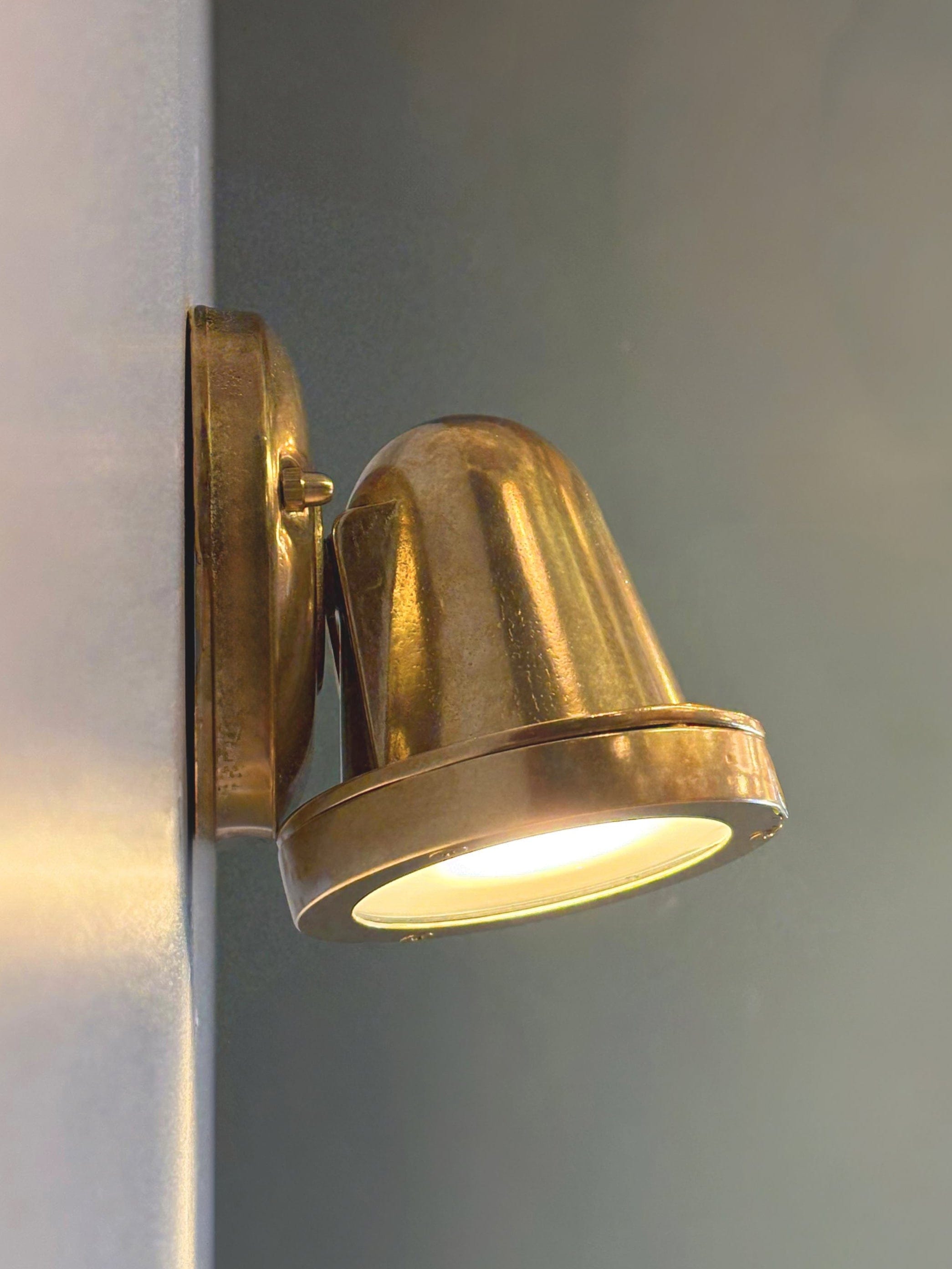
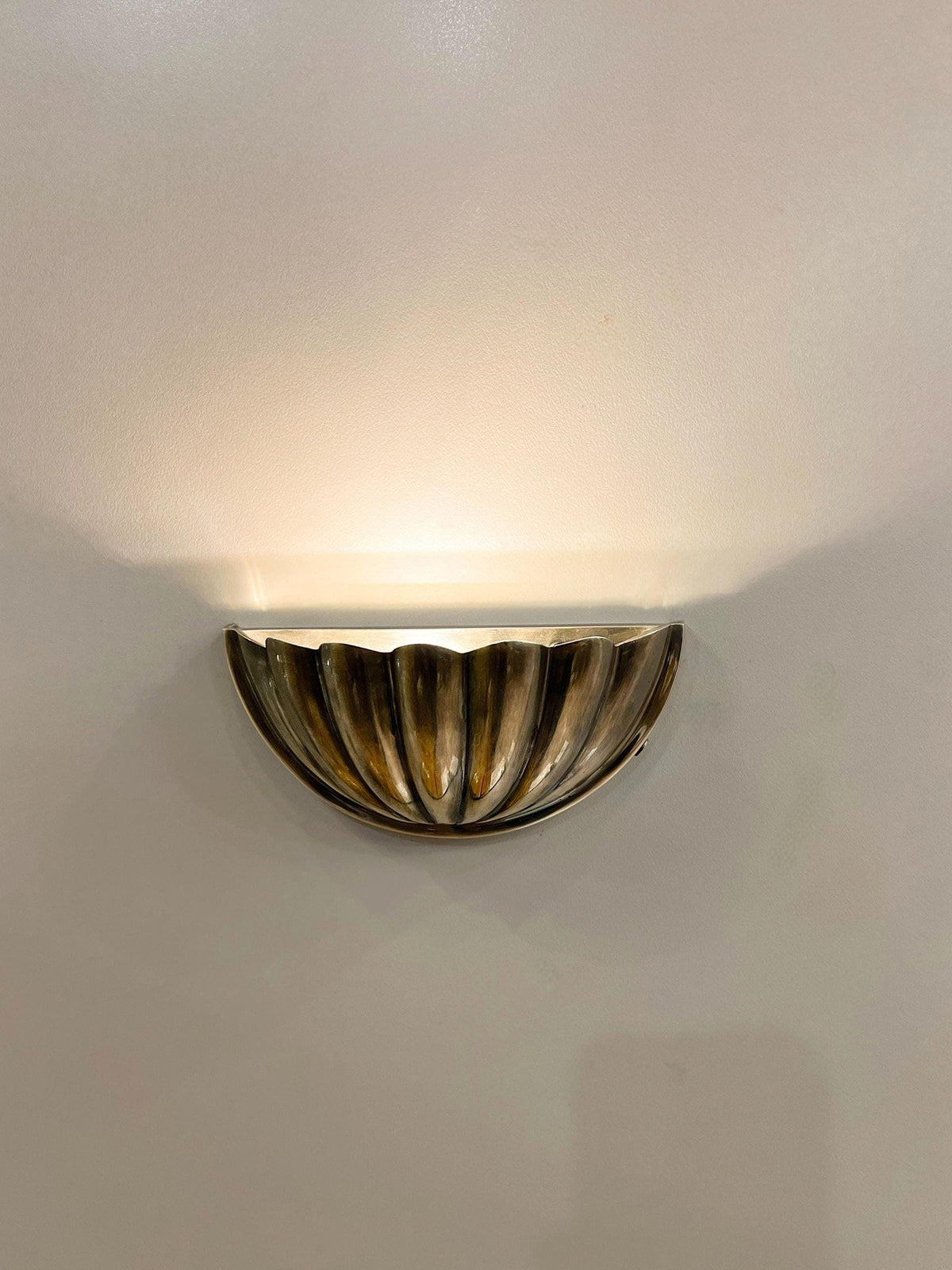
Brass is a living material. Exposed to air, moisture, and handling, its surface slowly reacts and develops a patina — a deepening of tone from bright gold toward amber, bronze, and eventually a soft brown. This is completely natural and, for many people, the whole point of buying solid brass: the fixture gains character and tells the story of its years, the way a leather bag or a wooden table does. Crucially, patina is surface-level and protective — it isn't corrosion, and it doesn't weaken the metal. So the first decision isn't how to clean your brass; it's whether you want to embrace the patina or keep the shine.
Lacquered vs Unlacquered Brass
How you care for a fixture depends on its finish:
- Unlacquered (living) brass is raw metal with no sealer. It will patina naturally and can be polished back to a shine whenever you like. This is the finish for people who want the material to age.
- Lacquered brass has a clear protective coating that locks in the current color and prevents patina. It stays bright with minimal effort — but you should never polish it, as that damages the lacquer.
Check which one you have before cleaning: polish belongs only on unlacquered brass. When in doubt, start with nothing more than a dry dust and observe how the surface behaves.
Everyday Cleaning (Both Finishes)
For routine care, brass couldn't be simpler:
- Dust regularly with a soft, dry microfiber cloth to keep the surface clean and even.
- For fingerprints or light grime, wipe with a cloth barely dampened with warm water, then dry immediately.
- Avoid abrasive pads, scouring powders, and harsh chemical cleaners — they scratch the surface on any finish.
That's genuinely all most fixtures ever need. Regular dusting keeps both lacquered and unlacquered brass looking its best.
How to Polish Unlacquered Brass (If You Want Shine)
If you have unlacquered brass and want to bring back the bright gold, polishing is easy and satisfying:
- Commercial brass polish: apply a small amount with a soft cloth, work gently, then buff off with a clean cloth. Follow the product's directions.
- Natural method: make a paste of lemon juice and baking soda (or use half a lemon dipped in baking soda), rub gently, rinse with water, and dry thoroughly.
- Ketchup trick: the mild acidity of tomato ketchup lifts tarnish — apply, wait a few minutes, then rinse and dry.
Always dry the fixture completely afterward, and always turn off and, ideally, remove the fixture's power before cleaning any electrical fitting. Polish only as often as you like the look — there's no need to do it on a schedule.
Cleaning Outdoor & Bathroom Brass
Brass in wet locations needs the same gentle care, plus one habit: for coastal or seafront fixtures, rinse off salt residue occasionally with fresh water and dry it, since salt accelerates surface change. Outdoor brass will patina faster than indoor brass thanks to the weather, and for most people that weathered look is exactly what suits a porch or garden. If you'd rather keep an outdoor fixture bright, expect to polish it more often — or simply choose to let the patina do its thing, which is the lower-maintenance and arguably more handsome path.
A Simple Year-Round Brass Care Routine
Brass thrives on a light touch, so the ideal routine is more about small habits than scheduled effort:
- Weekly: a quick dust with a soft dry cloth as part of your normal cleaning keeps the surface even and prevents grime from building up.
- Occasionally: wipe away fingerprints on frequently touched fixtures — like a bedside sconce switch — with a barely damp cloth, then dry.
- Seasonally (outdoor brass): rinse off dust, pollen, and especially salt with fresh water, then dry, so nothing sits on the surface through the season.
- When the mood strikes: polish unlacquered brass back to a shine if and when you want it brighter — there's no schedule to keep.
That's the whole routine. Notice there's no monthly deep-clean or special product you're obligated to buy — brass simply doesn't demand it. The single most valuable habit is drying after any contact with water, since standing moisture is the one thing that speeds up surface change unevenly.
How the Look Changes Over Time
If you leave unlacquered brass to its own devices, you'll watch it move through a gentle sequence: the bright factory gold softens first to a warmer, mellow gold over the first months, then deepens toward amber and bronze over a year or two, and eventually settles into a rich, characterful brown-bronze that many people consider the most beautiful stage of all. Handling, humidity, and sunlight all nudge the pace, which is why a fixture by a frequently used door may darken faster than one across the room — a natural, attractive unevenness that reads as authenticity. At any point along that journey you can polish an unlacquered fixture back toward gold, so you're never locked into a look. That flexibility — bright when you want it, patinated when you don't intervene — is unique to solid brass and impossible with a plated imitation.
If you are choosing between a bright, polished look and a natural patina, there is no wrong answer — only what suits your home. Bright brass feels crisp and formal; patinated brass feels warm, collected, and lived-in. Many people polish the fixtures in more formal rooms and let those in bedrooms, hallways, and outdoors mellow on their own. Either way, you are working with a material that rewards you for doing almost nothing.
What to Avoid
- Abrasive scrubbers and powders — they leave fine scratches.
- Polishing lacquered brass — it clouds and damages the coating.
- Harsh chemicals (bleach, ammonia) — they can stain or corrode.
- Leaving moisture sitting — always dry after any wet cleaning.
- Over-polishing — there's no need; brass looks good bright or patinated.
Why Solid Brass Is Worth the (Minimal) Care
All of this is only possible because the fixture is solid brass, not plated. Plated fixtures have a thin brass-colored coating over a cheaper base metal; once that coating wears — and it always does — there's nothing to polish or patina, just exposed base metal. Solid brass is the same material all the way through, so it can be polished back to shine again and again over decades, or left to develop a patina that would be impossible to fake. That's why a handcrafted solid-brass fixture is genuinely an heirloom: cared for gently, it looks better in ten years than the day you bought it.
The takeaway is reassuring: solid brass is one of the lowest-maintenance materials you can put in your home. A soft cloth, the occasional choice to polish or not, and a habit of drying after any contact with water is genuinely all it needs. Everything else — the deepening color, the character, the heirloom quality — happens on its own, for free, over the years you enjoy it.
Frequently Asked Questions
How do I clean brass light fixtures?
Dust regularly with a soft dry cloth, and wipe fingerprints with a barely damp cloth, drying immediately. Avoid abrasive pads and harsh chemicals on any finish.
Should I let brass patina or keep it shiny?
It's personal preference. Patina is a natural, protective darkening that adds character and needs no work; a bright shine requires occasional polishing of unlacquered brass. Both look beautiful.
How do I polish unlacquered brass naturally?
Use a paste of lemon juice and baking soda: rub gently, rinse with water, and dry thoroughly. Commercial brass polish works too. Never polish lacquered brass.
Is patina bad for brass?
No. Patina is a surface-level, protective change in color — not corrosion. It doesn't weaken the metal and is often prized as a sign of genuine solid brass.
How do I care for outdoor brass fixtures?
Dust and rinse off salt residue occasionally with fresh water, then dry. Outdoor brass patinas faster; embrace the weathered look or polish more often if you prefer shine.
Explore our handcrafted solid brass lighting
Every piece is cast and finished by hand in solid brass by Arel Lighting — made to age beautifully — with free US shipping.
Browse the brass wall sconces collection, or read our guide to warm light color temperature.