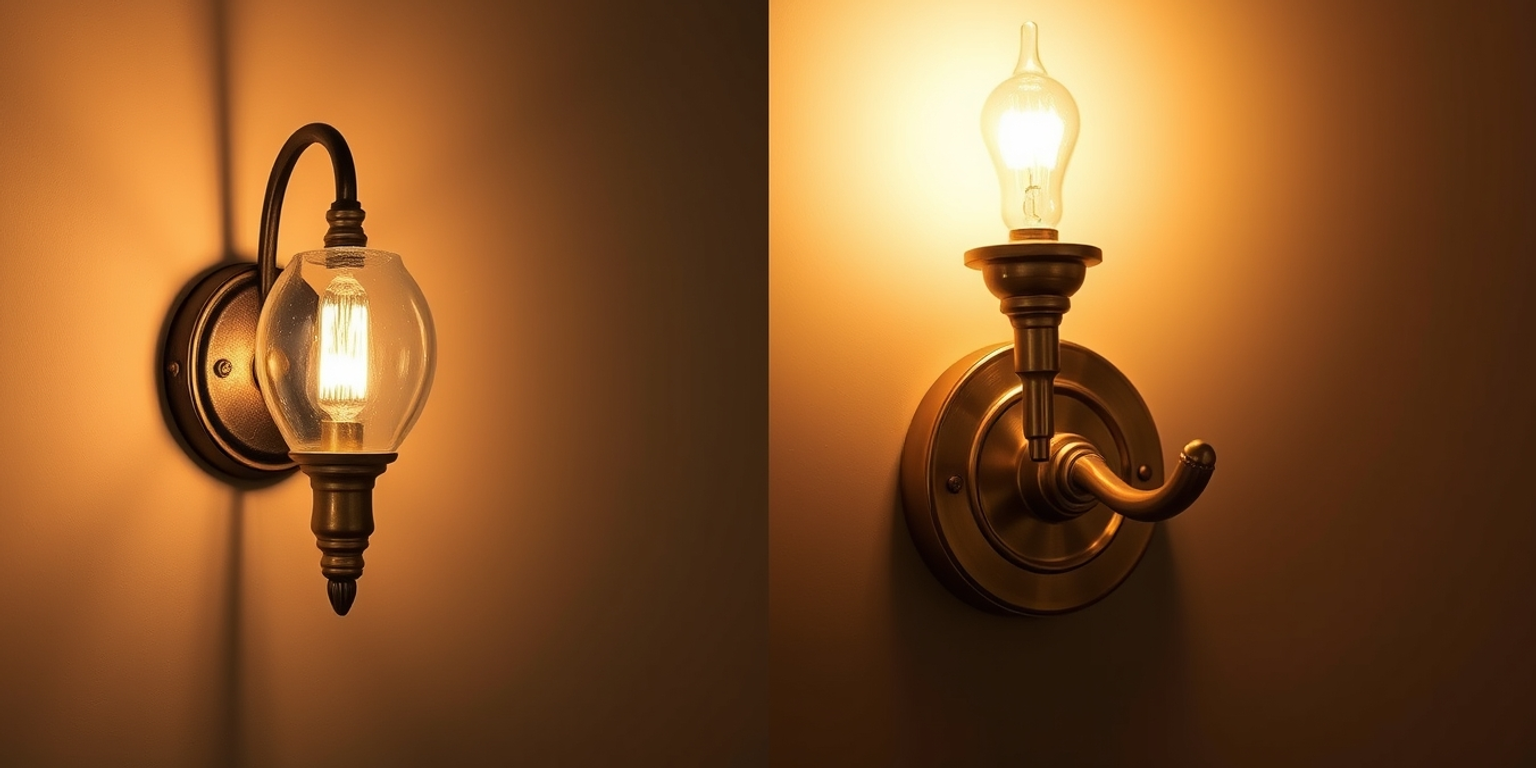
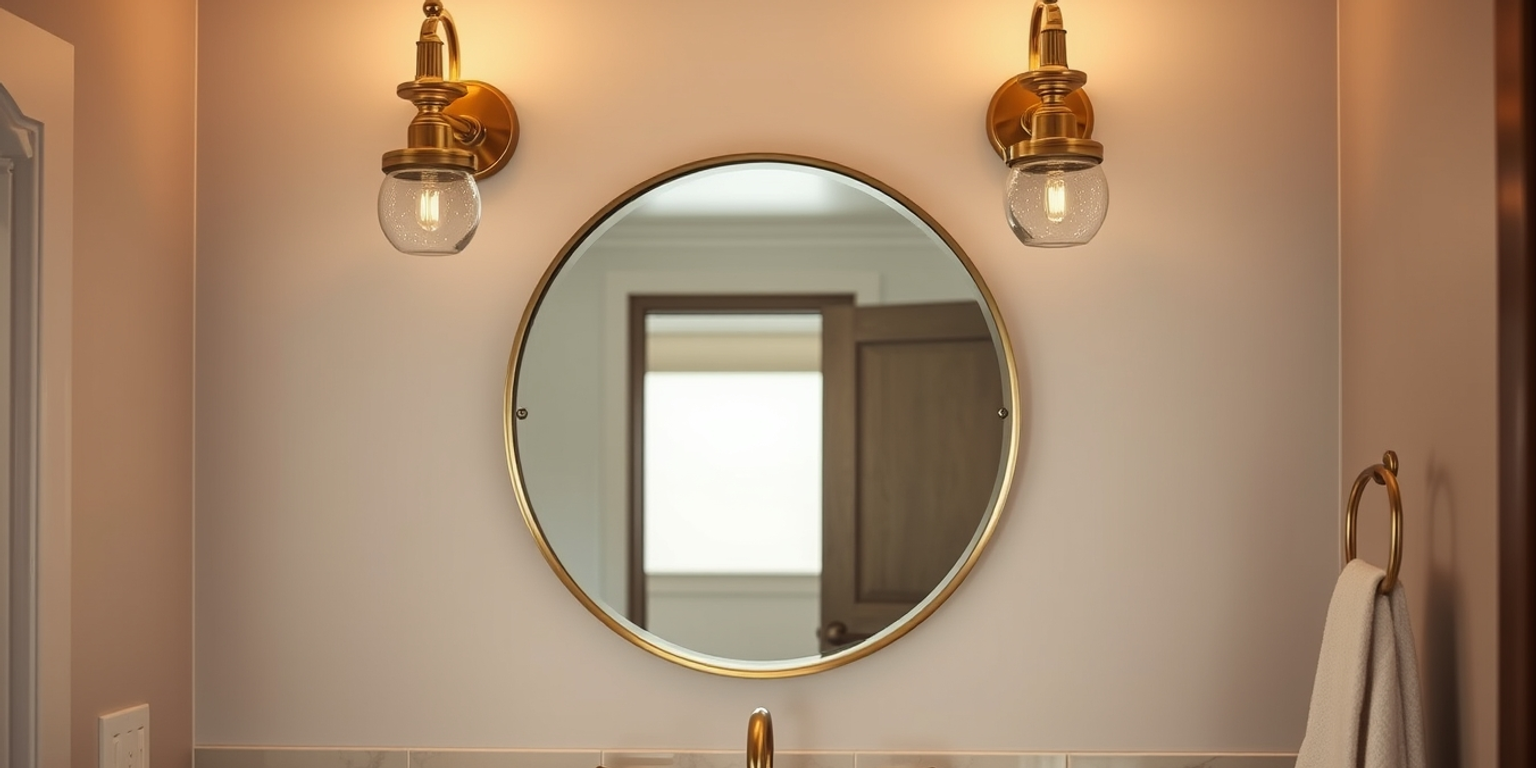
Picture Lights: How to Light Art & Framed Prints in Your US Home
You spent real money on that painting, or you finally framed the prints you love — and then the room's overhead light leaves them flat, in shadow, or worse, throws a hot glare across the glass so you can only see the piece from one awkward angle. Art that goes dark after sunset is art you stop noticing. A picture light fixes that: a slim fixture mounted right above the frame that washes the surface in even, warm light and makes the piece the thing your eye lands on when you walk in. This guide covers what a picture light actually does, how to size it to your frame, mounting height and projection, how to kill glare on glazed art, hardwired versus plug-in, and lighting a gallery wall.
What a picture light does
A picture light is a fixture mounted directly above (occasionally below) a framed work, with a forward-projecting arm that aims light down across the surface rather than out into the room. That shallow, top-down angle is the whole point: it lights the piece evenly, pulls out texture and brushwork, and separates the art from the wall so it reads as the focal point. Overhead ceiling lights and lamps do the opposite — they hit glazed art head-on and bounce straight back at you as glare. In solid brass, a picture light also becomes part of the composition, framing the work the way a gallery would.
Sizing the light to the frame
The single most common mistake is a fixture that is too small for the piece, leaving the outer edges in shadow. As a rule, choose a picture light about 1/2 to 2/3 of the frame's width. A 30-inch-wide frame wants a fixture in the 15–20 inch range; a small 16-inch print is well served by a mini picture light around 8–11 inches. Sizing to roughly half the width keeps the light source centered and spreads the wash to the corners without letting it spill onto the wall beyond the frame. For very wide pieces — over about 48 inches — either step up to the largest fixture or use two lights spaced evenly across the top.
Mounting height and projection
Mount the fixture so its arm centers a few inches above the top of the frame — typically 3–6 inches of clearance depending on the size of the light. The critical spec is projection: how far the arm reaches out from the wall. The arm needs to carry the bulb forward enough that light falls across the entire face of the art, not just the top edge. A good starting point is a projection of roughly 1/3 of the frame's height — a taller piece needs the bulb further out to reach the bottom. Aim the shade so the beam grazes down the surface; if you see a bright band at the top and gloom at the bottom, the arm is too short or angled too steeply.
Avoiding glare on glass
Framed prints and photographs behind glass or acrylic are the trickiest to light because a badly placed source reflects straight back at the viewer. A picture light beats a ceiling fixture here precisely because it comes from close above and rakes downward — the reflection bounces toward the floor, not your eyes. Three things keep glare down: keep the light close to the frame so the angle stays steep, use a warm 2700K bulb rather than a harsh cool-white that hot-spots on glossy surfaces, and choose a fixture with a shade that hides the bulb so you never see the filament reflected in the glazing. For especially reflective pieces, anti-reflective (museum) glass plus a picture light is the gallery-grade combination.
Hardwired vs plug-in
Hardwired picture lights connect to an in-wall junction box behind the frame and disappear cleanly — no visible cord — controlled by a wall switch. This is the tidiest look and worth it if you can run the wiring or are already renovating. Plug-in versions hang a cord to a nearby outlet; easier to install and to reposition, but you will want to manage the cord so it does not distract from the piece. Many US buyers hardwire lights over permanent installations like a mantel painting and use plug-in for rentals or rotating art. Either way, look for an E26 socket so you can drop in any standard warm LED, and pair with a dimmer so you can tune the level to the room.
Lighting a gallery wall
A gallery wall of mixed frames is where picture lights really earn their place. Rather than trying to light a dozen pieces evenly from the ceiling, mount an individual picture light over each of the key anchor pieces, or run a row of matching fixtures across the top of the arrangement for a considered, curated look. Keep the fixtures consistent — same finish, same style — so the hardware reads as intentional framing rather than clutter. For accent pieces off to the side of the main group, a compact wall sconce like the TESSON Brass Sconce ($195) or the statement CARDIUM Sconce ($245) adds warm fill light and ties the wall into the rest of the room.
Picture lights and accent options compared
| Fixture | Price | Size | Best for |
|---|---|---|---|
| ASKITES Mini Picture | $291 | Mini / compact | Small prints, photos, gallery walls |
| ASKITES Picture | $379 | Full / wide | Paintings, large framed art |
| TESSON Sconce | $195 | Clean / versatile | Accent fill beside art |
| CARDIUM Sconce | $245 | Statement | Feature walls, entries |
For most single pieces, the choice comes down to scale. The ASKITES Mini Picture Light ($291) suits smaller prints, photographs, and the individual frames on a gallery wall, while the full-size ASKITES Picture Light ($379) has the width and projection to wash a full painting or a large framed work. Both are cast solid brass, take a standard E26 bulb, and ship free in the US. If your art hangs as part of a broader wall arrangement, mixing in a versatile sconce such as the TESSON or the bolder CARDIUM gives you layered light without competing with the picture lights themselves.
Finish and material
Because a picture light sits right at the frame in a pool of warm light, the finish is on display as much as the art. Solid brass is the classic choice: it reads as gallery hardware, warms under a 2700K bulb, and develops a patina over the years rather than flaking the way brass-plated fixtures do. Arel's picture lights, including the ASKITES Mini and the full-size ASKITES, are cast solid brass throughout, so the metal you see at the frame is the same all the way through.
Shop brass picture lights
Light your art the way a gallery would. Every picture light is cast solid brass, takes a warm E26 LED, and ships free in the US. Browse the full range in the Arel Picture Light Collection.
Frequently asked questions
What size picture light do I need for my frame?
Choose a fixture about 1/2 to 2/3 of the frame's width. A 30-inch-wide frame suits a 15–20 inch light; a small 16-inch print suits a mini picture light around 8–11 inches. Sizing to about half the width keeps the wash centered and reaches the corners without spilling past the frame.
How far above the frame should a picture light be mounted?
Center the arm roughly 3–6 inches above the top of the frame, depending on the size of the fixture. Just as important is projection: the arm should reach forward about 1/3 of the frame's height so light falls all the way to the bottom of the piece rather than lighting only the top edge.
How do I stop glare on glass or framed prints?
Keep the light close to the frame so the beam rakes steeply downward and reflects toward the floor, not your eyes. Use a warm 2700K bulb instead of harsh cool white, and pick a fixture with a shade that hides the bulb. For very reflective pieces, pair the light with anti-reflective museum glass.
What color temperature bulb is best for lighting art?
A warm 2700K LED in the standard E26 socket. Warm light flatters paintings and framed prints, keeps brass looking rich, and reduces hot-spotting on glossy surfaces. Cool white (4000K and up) looks clinical and tends to reflect harshly off glazing. A dimmer lets you tune the level to the room.
Hardwired or plug-in picture light — which should I choose?
Hardwired lights connect to an in-wall junction box and hide the cord for the cleanest look, ideal for permanent installations. Plug-in versions run a cord to a nearby outlet and are easier to install and reposition, which suits rentals and rotating art. Both use an E26 socket, so bulb choice is the same.
Can I use picture lights on a gallery wall?
Yes. Mount an individual picture light over each anchor piece, or run a row of matching fixtures across the top of the arrangement. Keep the finish and style consistent so the hardware frames the art intentionally. Compact sconces can add warm fill light to accent pieces around the main group.
Related reading
- Brass Wall Sconces: The Complete Buyer's Guide — solid brass vs plate, sizing, and mounting heights.
- Picture Light Collection — the full solid-brass range for art and framed prints.
- Wall Sconce Collection — versatile brass sconces for accent and ambient light.
Published by
Arel Lighting Editorial Team
Every guide is researched using manufacturer specifications and US electrical standards. Arel Lighting handcrafts solid brass picture lights and wall sconces in Istanbul and ships free across the United States.