
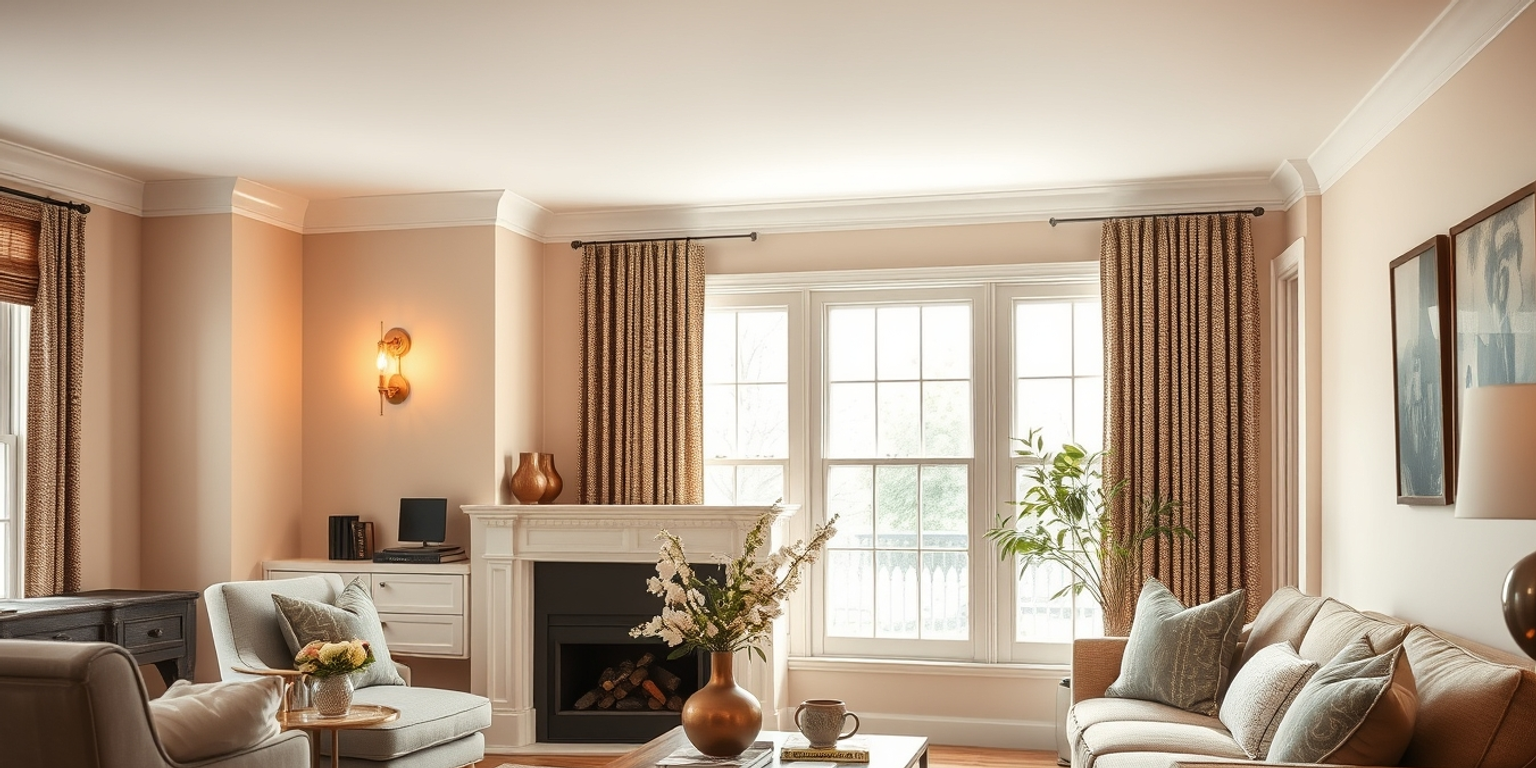
How High to Hang Wall Sconces: The Complete US Placement Guide
How High to Hang Wall Sconces: The Complete US Placement Guide
Quick answer: Mount most wall sconces so the center of the fixture sits 60–72 inches (5–6 feet) from the floor — roughly eye level for a standing adult. Hallways and general lighting sit at 66–72 inches, bedside reading sconces at 30–36 inches above the mattress, and bathroom vanity sconces at 60–65 inches, spaced 28–40 inches apart. Adjust up for tall ceilings and down for seated areas.
Wall sconces do more heavy lifting than almost any fixture in an American home — they wash a hallway in warm light, frame a bathroom mirror, and turn a bedside into a reading corner. But the single biggest thing that makes sconces look professionally installed (or amateur) is height. Hang them too high and the light glares into your eyes; too low and the room feels cramped. This guide gives you the exact numbers for every room, plus the reasoning so you can adapt them to your own space.
The Standard Wall Sconce Height
For general-purpose sconces in living areas, entryways, and corridors, mount the fixture so its center is 60 to 72 inches above the finished floor. Sixty-six inches is a reliable default — it places the brightest part of the fixture near the eye level of an average standing adult, which spreads light evenly without shining directly into anyone's face. If your household is taller than average, drift toward 70–72 inches; shorter, toward 60–64 inches.
The reason this range works comes down to how sconces throw light. Most cast a glow both upward and downward, and eye level is the sweet spot where that glow reaches the most of the room. Our solid-brass sconces are photographed and tested at this height for exactly that reason.
Ceiling Height Changes Everything
The 66-inch rule assumes a standard 8-foot (96-inch) ceiling. Taller ceilings need proportional adjustment, or the sconces look stranded near the floor.
- 8 ft ceiling: center at 60–66 inches
- 9 ft ceiling: center at 66–72 inches
- 10 ft or vaulted: center at 72–80 inches, or scale up the fixture size instead
A good visual check: the top of the sconce should generally land within the upper third of the wall, not marooned in the middle of a tall blank expanse. When in doubt, tape a paper cutout of the fixture to the wall and live with it for a day.
Bedside & Reading Sconces
Bedside sconces follow a different rule because you use them lying down, not standing. Mount them so the bottom of the shade sits 30–36 inches above the top of the mattress, which usually works out to 60–66 inches from the floor depending on your bed height. The goal is light that falls onto the page without shining in your partner's eyes.
Position matters as much as height: place the sconce slightly toward the outside edge of the nightstand so the light clears your shoulder when you sit up to read. An articulating swing-arm sconce is ideal here because you can fine-tune the angle after installation.
Bathroom & Vanity Sconces
Flanking the mirror with a pair of sconces is the most flattering way to light a face — far better than a single fixture overhead, which casts shadows under the eyes and chin.
- Height: center the sconces 60–65 inches from the floor, roughly at eye level when standing at the sink.
- Spacing: place them 28–40 inches apart (mirror width permitting) so light wraps evenly across the face.
- Rating: choose a damp-rated fixture for bathrooms; look for an appropriate IP rating if it sits near the shower.
If your mirror is too wide to flank, mount a single sconce above it at 75–80 inches, but the flanking pair is almost always the better look.
Hallways, Stairways & Entryways
In corridors, mount sconces at 66–72 inches and space them 8–10 feet apart so pools of light overlap gently rather than leaving dark gaps. In an entryway, a slightly higher mount (up to 72 inches) suits the taller volume and welcomes guests at eye level.
On a staircase, follow the slope: keep each sconce about 66 inches above the tread directly beneath it, so the height steps up with the stairs and every landing stays safely lit.
Sconce Height & Spacing at a Glance
| Location | Center height (from floor) | Spacing |
|---|---|---|
| Living room / general | 60–72 in (66 in default) | 6–8 ft apart |
| Hallway / corridor | 66–72 in | 8–10 ft apart |
| Bedside / reading | 30–36 in above mattress | Aligned to nightstand edge |
| Bathroom vanity | 60–65 in | 28–40 in apart |
| Staircase | 66 in above each tread | Every 2nd–3rd step |
| Entryway | 66–72 in | Flank the door |
How to Get the Height Right Before You Drill
A few minutes of prep saves a wall full of extra holes:
- Cut a template. Trace the sconce on paper and tape it to the wall at your planned height.
- Check it seated and standing. Sit where you'll actually be — on the sofa, at the vanity — and confirm the light source isn't glaring at you.
- Mind the junction box. For hardwired sconces the electrical box sets your height; plan the box location before drywall if you're renovating.
- Work in pairs. Use a long level or laser line so flanking sconces match exactly — even a half-inch mismatch is visible.
Not sure whether to hardwire or use a plug-in model? That choice affects placement freedom, and we cover it in our guide to choosing brass wall sconces.
Match the Sconce Size to the Wall
Height is only half the equation — scale matters just as much. A sconce that's too small disappears on a large wall, while an oversized one overwhelms a narrow hallway. As a rule of thumb, a wall sconce should be roughly one-quarter to one-third the height of the wall space it occupies, and no wider than a third of the surface it sits on (such as the gap beside a mirror). For flanking pairs, leave enough breathing room between each fixture and the object it frames — about 6–12 inches beside a mirror or headboard — so the light has room to spread. When you're choosing between a mini and a grande version of the same design, picture it at the mounted height: at 66 inches on an 8-foot wall, a mini reads as tasteful; on a two-story entry wall, you'll want the larger fixture to hold its own.
Choose the Right Bulb and Warmth
The most carefully placed sconce still disappoints with the wrong bulb. For living areas, bedrooms, and hallways, choose warm-white LED bulbs around 2700K — the color of a relaxed, golden glow that flatters both people and warm brass finishes. Bathrooms and task areas can handle a slightly crisper 3000K. Keep the wattage modest (a sconce is accent and ambient light, not a floodlight) and fit a dimmer wherever you can, so a single fixture carries you from bright mornings to low, restful evenings. Because our sconces are solid brass, warm light makes the metal glow rather than glare; cool, bluish bulbs fight the material and flatten the effect. If a fixture takes an exposed bulb, a vintage-style filament LED adds character while staying energy efficient.
Common Wall Sconce Placement Mistakes
- Mounting too high. Above 72 inches in a standard room, sconces light the ceiling instead of the space you use — and expose the bulb to your eyeline.
- Ignoring the seated view. A sconce that's comfortable standing can glare straight at you on the sofa or at the vanity. Always check from where you'll actually sit.
- Mismatched pairs. Flanking sconces even half an inch apart in height look off. Measure from the floor, not the ceiling, and use a level.
- Forgetting the switch and cord. Plug-in models need a nearby outlet and a plan for the cord; hardwired models need the junction box placed before you finalize height.
- One lonely sconce. Single sconces work as accents, but rooms usually look balanced with pairs or a rhythm of fixtures rather than one isolated light.
Get these right and your sconces will look like they were placed by a designer — because the numbers behind good placement are exactly the ones designers use.
Frequently Asked Questions
How high should a wall sconce be from the floor?
For general lighting, mount the center of the sconce 60–72 inches from the floor, with 66 inches a safe default. This puts the fixture near standing eye level so it lights the room without glaring.
How high should bedside wall sconces be?
Position bedside sconces so the bottom of the shade is 30–36 inches above the mattress — usually 60–66 inches from the floor. Mount them toward the outer edge of the nightstand for comfortable reading light.
How far apart should wall sconces be spaced?
In hallways, space sconces 8–10 feet apart so light pools overlap. Flanking a mirror, keep them 28–40 inches apart. In living areas, 6–8 feet apart works well.
How high should bathroom vanity sconces be?
Mount vanity sconces 60–65 inches from the floor, flanking the mirror 28–40 inches apart, so light hits the face evenly and avoids harsh shadows.
Should wall sconces be hardwired or plug-in?
Hardwired sconces give the cleanest, cord-free look and full placement freedom, while plug-in models suit rooms where you can't run new wiring. Both work at the same recommended heights.
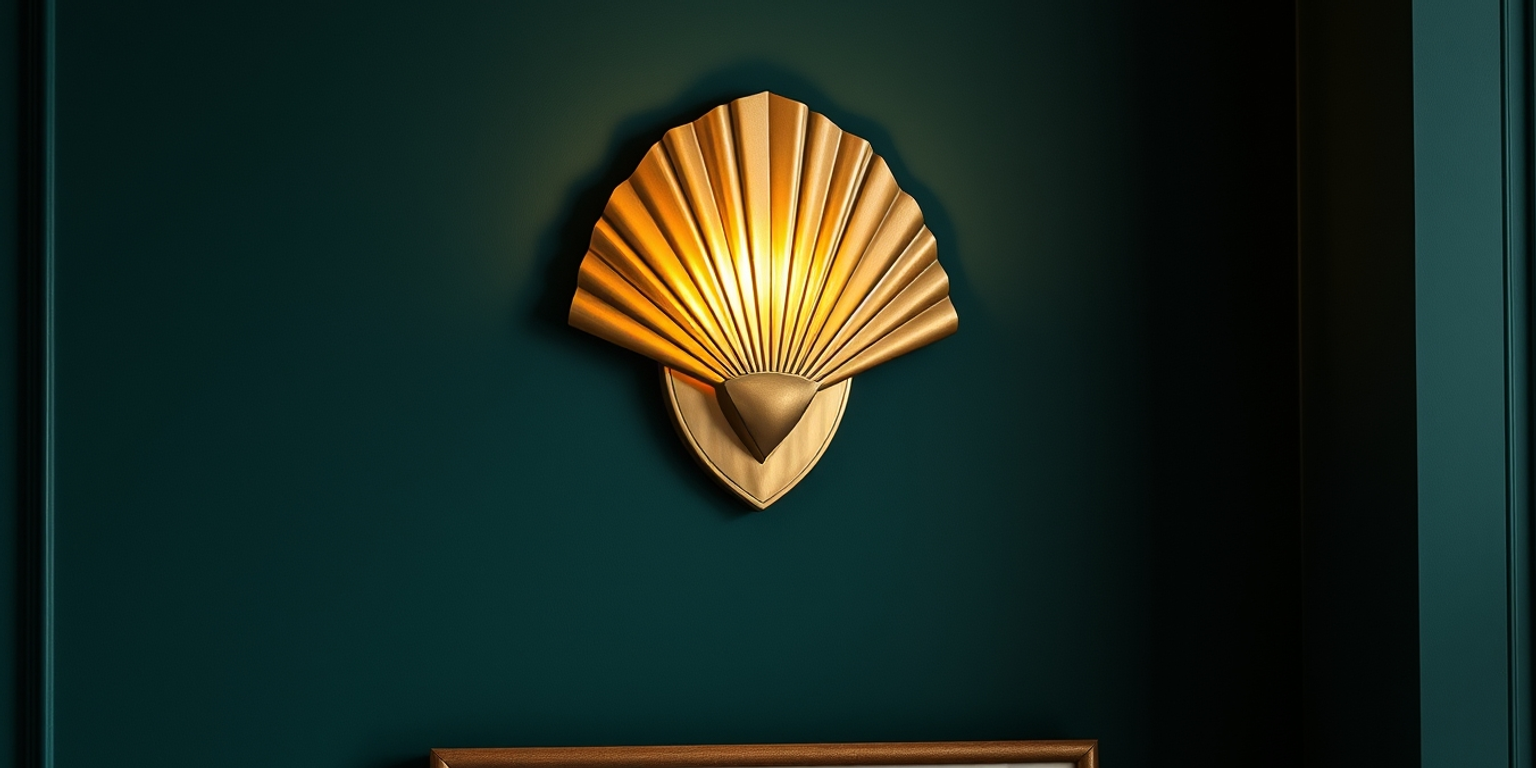
Explore our handcrafted brass wall sconces
Every piece is cast and finished by hand in solid brass by Arel Lighting, with free US shipping.
Browse the full brass wall sconces collection, or read our bedroom wall sconce guide.
%20from%20the%20floor%20%E2%80%94%20roughly%20eye%20level...)