Swing-Arm & Articulating Wall Sconces: A US Buyer's Guide
Here's the frustration nobody warns you about with wall sconces: most of them light the wall, not you. You mount a handsome fixed sconce beside the bed, settle in with a book, and realize the glow is landing six inches to the left of the page — pretty on the plaster, useless for reading. A swing-arm sconce fixes exactly that. Its jointed arm pulls the light out from the wall and lets you aim it right where you need it, then folds back flat when you're done. This guide covers how articulating sconces work, where they earn their keep, and how to place and size one for real use.
What makes a sconce articulating
An articulating sconce has one or more pivoting joints along its arm — typically a swivel at the wall plate and an elbow partway out — so the light head can extend, retract, and rotate. A swing-arm sconce is the most common type: a single arm that swings side to side and often telescopes in and out, letting you reposition the light without touching the fixture's base. The point is aim. A fixed sconce projects light in one direction forever; an articulating one lets you send it to the page tonight and to the wall tomorrow. The ARICA Articulating Sconce ($387) is the purpose-built version of this idea — solid brass, a fully jointed arm, and a shade you can angle straight down onto whatever you're reading.
Where swing-arm sconces win
Articulating sconces earn their premium anywhere the light needs to move. Bedside reading is the classic case: pull the arm over your shoulder, aim the shade at the page, and read without lighting up your partner's side of the bed. Beside a reading chair or armchair, a swing-arm mounted on the wall replaces a floor lamp entirely, extending out over the armrest so the light falls on your lap instead of the wall behind you. Over a desk or workspace, the adjustable arm acts as task lighting you can push aside when you need the surface clear. And in a kitchen — flanking a window or beside open shelving — an articulating fixture aims light onto the counter rather than washing the backsplash. The ARICA handles all four because the arm does the work; you're not locked into one throw of light.
Fixed vs swing-arm: which do you actually need
A fixed sconce is simpler, usually less expensive, and cleaner-looking on a styled wall — a great choice when the light is mainly for ambiance or when a diffused shade already spreads the glow evenly. A swing-arm sconce costs more and adds a visible joint, but it's the right call the moment you want to aim the light: reading in bed, working at a desk, or lighting a chair that sits away from the wall. Put simply, if you'll read or do close work under it, go articulating. If it's decorative or ambient, a fixed piece like the TESSON Sconce ($195) or the NUSCO Sconce ($215) does the job for less. Many rooms use both — an articulating pair for the beds and fixed sconces down the hall.
Placement and wiring
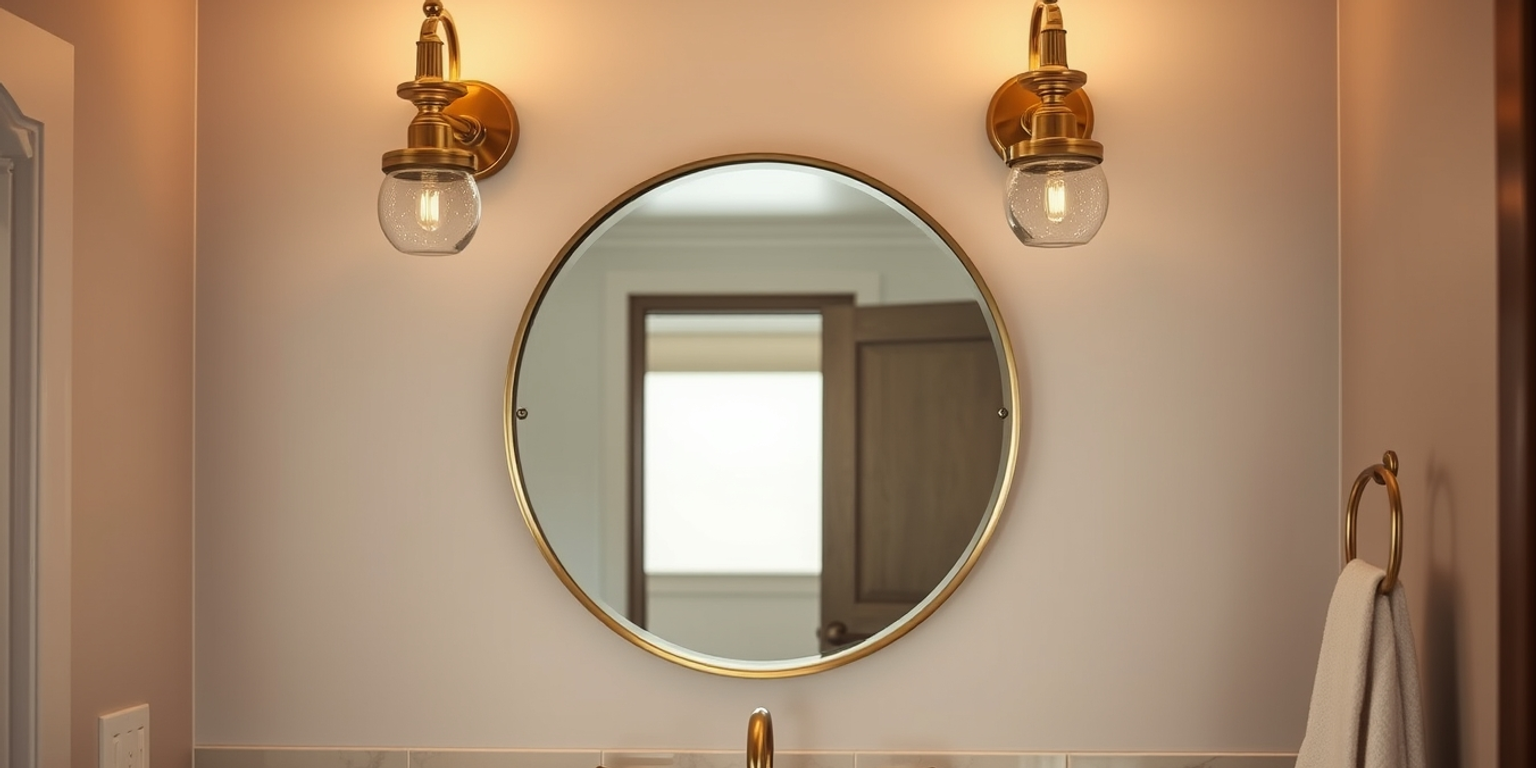
For a bedside articulating sconce, mount the fixture 30–36 inches above the top of the mattress — roughly 60 inches from the floor for a standard bed — so the light source sits above your shoulder when you're propped against the headboard. Because the arm extends, you have more forgiveness on horizontal placement than with a fixed sconce; set the base 6–10 inches out from the headboard edge and let the arm cover the rest. Beside a reading chair, mount the base around 48–52 inches from the floor so the extended head lands over your shoulder. On wiring, you have two routes: a hardwired sconce tied into a wall switch (cleanest, but needs an electrician if there's no box), or a plug-in model with an inline cord switch for renters and retrofits. Every Arel sconce uses the standard US E26 socket, so any off-the-shelf bulb fits — no adapters. A model like the CARDIUM Sconce ($245) shows the compact brass profile that installs cleanly on either a junction box or a plug-in cord.
Choosing arm reach
Arm reach is the number that decides whether a swing-arm actually helps. Measure the distance from the wall to where you want the light — the center of your book, the middle of the desk, the arm of the chair — and pick a fixture whose extended reach covers it with a little slack. For bedside reading, most people want 10–16 inches of reach so the shade clears the headboard and hangs over the page. Over a desk, 14–18 inches lets the head sit above the work rather than behind it. Don't over-buy reach you won't use; a longer arm droops more and reads heavier on the wall. Whatever you choose, pair it with a 2700K warm-white bulb at 400–600 lumens for comfortable task light — warm enough to relax under, bright enough to read. For a traditional look with a fixed alternative in the same room, the ORAN Traditional Sconce ($178) and the PINAS Sconce ($240) coordinate well with the ARICA's brass finish.
Swing-arm and fixed sconces compared
| Sconce | Price | Type | Best for |
|---|---|---|---|
| ARICA Articulating | $387 | Articulating swing-arm | Aimable reading & task light |
| CARDIUM | $245 | Fixed brass | Compact bedside & hallway |
| PINAS | $240 | Fixed shaded | Warm ambient glow |
| NUSCO | $215 | Fixed brass | Restful period rooms |
| TESSON | $195 | Fixed diffused | Soft even reading light |
| ORAN Traditional | $178 | Fixed traditional | Classic bedside profile |
Shop articulating wall sconces
Solid brass, E26 socket, a jointed arm you can aim, shipped free in the US. Browse the full Arel Articulating Sconce Collection.
Frequently asked questions
What is an articulating wall sconce?
An articulating wall sconce has a hinged, jointed arm — usually a swing arm that pivots at the wall and bends at an elbow — so you can extend the light out, retract it, and aim it exactly where you need it. Unlike a fixed sconce, it repositions the light instead of projecting it in one direction permanently.
Are swing-arm sconces good for reading in bed?
Yes — they're the best sconce for it. You can pull the arm over your shoulder and aim the shade directly at the page, then fold it back flat against the wall when you're done. That puts light on your book without lighting up your partner's side of the bed.
How high should a bedside articulating sconce be mounted?
Mount the fixture 30–36 inches above the top of the mattress, about 60 inches from the floor for a standard bed. Because the arm extends, horizontal placement is forgiving — set the base 6–10 inches out from the headboard edge and let the arm reach the rest.
How much arm reach do I need?
Measure from the wall to where you want the light. For bedside reading, 10–16 inches of extended reach clears the headboard and hangs over the page; over a desk, 14–18 inches sits the head above the work. Don't over-buy reach you won't use, since a longer arm droops more and reads heavier on the wall.
What bulb does an articulating sconce use?
Every Arel sconce uses the standard US E26 socket, so any off-the-shelf bulb fits. For reading and task use, choose a 2700K warm-white bulb at 400–600 lumens — warm enough to relax under and bright enough to read comfortably.
Can I install a swing-arm sconce without an electrician?
Yes, if you choose a plug-in model with an inline cord switch — it mounts to the wall without a junction box, so there's no hardwiring. A hardwired version tied into a wall switch looks cleaner but needs an electrician if there's no existing electrical box.
Related reading
- Bedroom Wall Sconces: A US Buyer's Guide — placement, switching, and bulb choice for the bedroom.
- Brass Wall Sconces: The Complete Buyer's Guide — finishes, sockets, and placement.
- Articulating Sconce Collection — swing-arm brass sconces you can aim.
Published by
Arel Lighting Editorial Team
Every guide is researched using manufacturer specifications and US electrical and UL location standards. Arel Lighting handcrafts solid brass lighting in Istanbul and ships free across the United States.