Artículo: How to Brighten a Dark Room With Lighting
How to Brighten a Dark Room With Lighting
How to Brighten a Dark Room With Lighting
Quick answer: Brighten a dark room by adding layered light at multiple heights — wall sconces at eye level, floor and table lamps, and accent light — rather than one brighter ceiling bulb. Bounce light off walls and ceilings, use warm-to-neutral high-lumen LED bulbs with a CRI of 90+, add mirrors to multiply the light, and keep walls and shades light-colored. Several well-placed sources make a room feel far brighter than a single powerful fixture.
A dark room is one of the most common home frustrations — a space that feels gloomy no matter the time of day, especially in older homes, basements, north-facing rooms, and apartments with few windows. The instinct is to put in a brighter bulb, but that rarely fixes it. The real solution is smarter, layered lighting plus a few tricks that make the light you have go further. Here's how to genuinely brighten a dark room.
Why One Bright Bulb Isn't the Answer
A single ceiling fixture, even a powerful one, casts light straight down from one point. That leaves the walls, corners, and lower half of the room in relative shadow — and because we perceive brightness partly from lit walls and surfaces, the room still reads as dark. The fix isn't more power in one spot; it's more sources spread around the room at different heights. Several moderate lights create the even, wall-washing glow that actually makes a space feel bright, without the harsh glare of one overpowered bulb.
Layer Light at Multiple Heights
Build brightness from three layers:
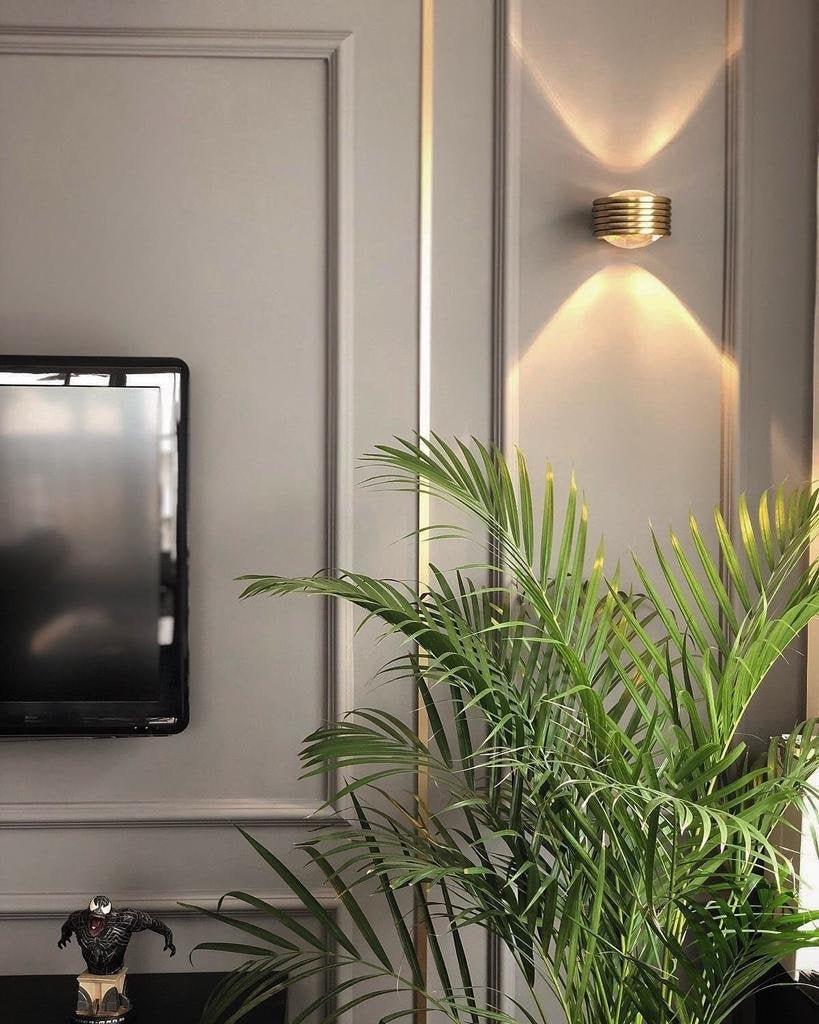
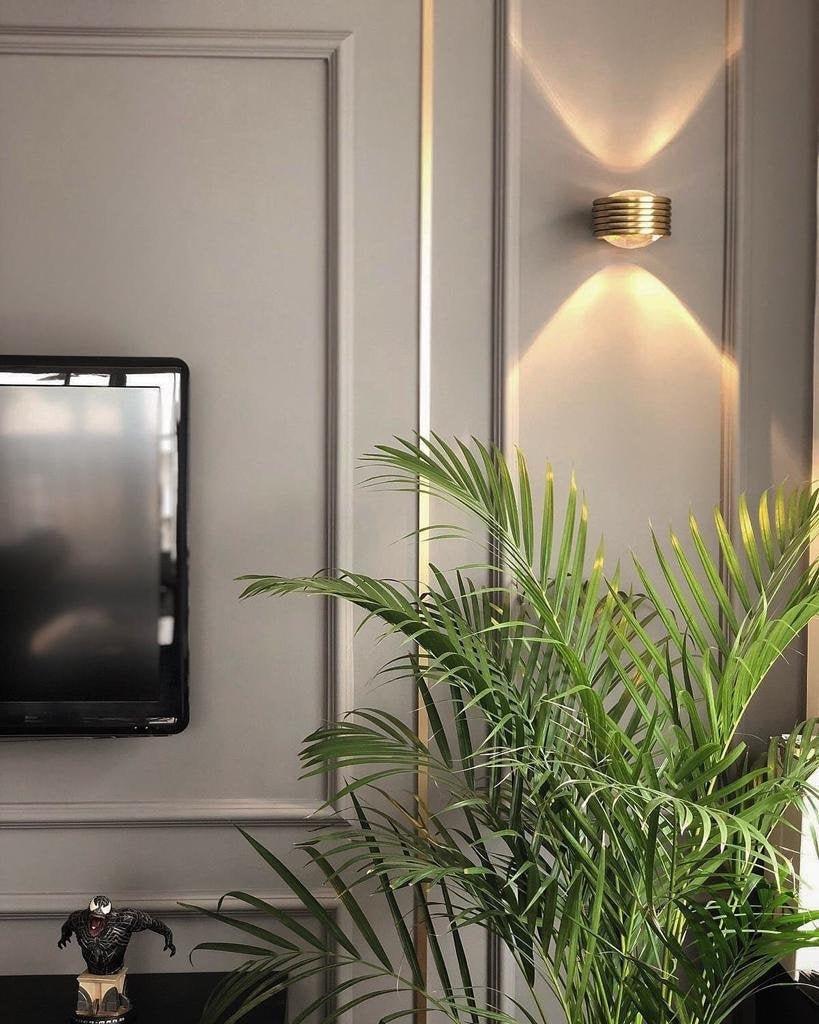
- Eye level: wall sconces are the most underused fix for a dark room. Mounted around 60–66 inches high, they wash the walls with light and fill the mid-height gap lamps and ceilings leave dark.
- Mid and low: floor lamps in corners and table lamps on surfaces push light into the areas a ceiling fixture misses.
- Accent: uplights, LED strips, and picture lights add brightness to walls and shelves, lifting the whole room's perceived light.
The more directions light comes from, the brighter and more even the room feels.
Bounce Light Off Walls and Ceilings
Direct light lights one spot; bounced light fills a room. Aim fixtures so light reflects off pale walls and ceilings, which spread it softly across the whole space. Uplighting — a floor lamp or sconce that throws light upward — turns the ceiling into a large, soft reflector and is one of the most effective ways to brighten a dark room. Shades that are open at the top, and torchiere-style floor lamps, do this naturally. The lighter your wall and ceiling colors, the more effectively they bounce, which is why paint matters as much as fixtures here.
Use Mirrors to Multiply Light
Mirrors are a decorator's classic trick for a reason: placed opposite or beside a light source or window, a mirror bounces that light back into the room, effectively doubling it and making the space feel larger. A large mirror on the darkest wall, or across from your brightest lamp or window, noticeably lifts a gloomy room. Glossy and reflective surfaces — glass tabletops, metallic accents, a brass fixture that catches the light — all help scatter light around and add to the effect.
Choose the Right Bulbs
Bulbs matter as much as fixtures:
- Lumens, not watts: look at lumens (actual brightness). For a dark room, choose higher-lumen LED bulbs, but spread across several fixtures rather than one.
- Color temperature: 2700–3000K keeps the room warm and inviting; you can go to 3000–3500K in a work area for a crisper, brighter feel. Avoid harsh 5000K daylight bulbs in living spaces.
- CRI 90+: high color rendering makes colors and surfaces look vivid, which reads as brighter and more alive than dull, low-CRI light.
Put everything on dimmers so you can run bright when you need it and soften it in the evening.
Decorate for Light
Lighting works with the room, not against it. A few decorating choices dramatically affect how bright a space feels:
- Light walls: pale, warm-toned paint reflects far more light than dark walls.
- Light shades: white or cream lampshades let more light through than dark ones.
- Reflective accents: mirrors, glass, and brass scatter light around.
- Clear the windows: sheer or light curtains and clean glass let in every bit of available daylight.
- Light flooring and rugs: pale floors bounce light upward, dark ones absorb it.
Brightening a Dark Room at a Glance
| Problem | Fix |
|---|---|
| Dark walls / corners | Wall sconces + corner floor lamps |
| Flat, shadowy light | Uplighting bounced off the ceiling |
| Room feels small & dim | Large mirror opposite a light or window |
| Dull colors | High-CRI (90+) warm LED bulbs |
| Not enough daylight | Sheer curtains + pale walls & floors |
Room-Specific Tips
Basements and windowless rooms rely entirely on artificial light, so layer generously — sconces, lamps, and bright ambient overhead — and lean slightly cooler (3000K) to compensate for the lack of daylight, while keeping it warm enough to feel inviting. North-facing rooms get cool, weak daylight, so warm 2700K artificial light balances it and makes the space feel cozier. Rentals can use plug-in sconces, floor lamps, and mirrors — all removable — to brighten a dark room without any wiring. Whatever the room, the same rule holds: many sources, bounced light, and light surfaces beat one bright bulb every time.
Quick Wins vs Bigger Changes
Not every fix requires an electrician. If you want fast, low-effort results, start with the quick wins: add a couple of plug-in floor and table lamps, swap in higher-lumen high-CRI warm bulbs, hang a large mirror opposite your brightest light or window, switch to pale lampshades, and open up the windows with sheer curtains. These alone transform most dark rooms in an afternoon, with no wiring and — for renters — nothing permanent. When you are ready for bigger changes, add hardwired wall sconces to introduce that crucial eye-level, wall-washing layer, install dimmers, and consider repainting walls and ceilings in pale, warm tones that bounce light. The quick wins deliver most of the improvement; the bigger changes take a bright room to a genuinely well-lit one.
Let Daylight Do More
Artificial light is only half the battle — making the most of what natural light you have amplifies everything. Keep windows clean and unobstructed, choose sheer or light-filtering curtains rather than heavy drapes, and avoid blocking windows with tall furniture. Position mirrors and reflective surfaces to catch and spread daylight deeper into the room. Trimming back outdoor foliage that shades a window can noticeably brighten a room too. During the day, this maximized daylight does the heavy lifting; in the evening, your layered fixtures take over. Together they keep a once-dark room feeling bright around the clock.
Common Mistakes When Brightening a Room
- One overpowered bulb. It glares without brightening the whole room — spread the light instead.
- All direct, no bounce. Without uplighting and pale surfaces, light stays trapped in one spot.
- Cool, low-CRI bulbs. Harsh and dull; use warm, high-CRI light.
- Dark walls and shades. They absorb light — go pale to reflect it.
- Ignoring mirrors. One well-placed mirror can transform a dim room.
The Bottom Line
If your room feels dark despite the light being on, resist the urge to buy a brighter bulb. Instead, add sources at several heights — wall sconces above all — bounce light off pale walls and ceilings, hang a mirror to multiply what you have, and fit warm, high-CRI bulbs on dimmers. Layer the light and lighten the surfaces, and even a windowless basement or a gloomy north-facing room can feel genuinely bright and inviting.
Frequently Asked Questions
How do you brighten a dark room?
Add layered light at multiple heights — wall sconces, floor and table lamps, and accent light — rather than one brighter bulb. Bounce light off pale walls and ceilings, add mirrors, use high-CRI warm LED bulbs, and keep surfaces light-colored.
Why does my room still feel dark with the light on?
Because a single ceiling fixture leaves walls and corners in shadow, and we perceive brightness from lit surfaces. Add more sources at different heights and bounce light off walls and ceilings.
Do mirrors really brighten a room?
Yes. A mirror placed opposite or beside a light source or window bounces that light back into the room, effectively doubling it and making the space feel larger and brighter.
What light is best for a windowless room?
Layer generously with sconces, lamps, and bright ambient light, using high-CRI LED bulbs. Lean slightly cooler (around 3000K) to compensate for no daylight, while staying warm enough to feel inviting.
What color light makes a room look brighter?
High-CRI (90+) bulbs around 2700–3000K make colors vivid and the room feel bright and warm. Very cool 5000K light can feel harsh in living spaces despite reading as bright.
Explore our handcrafted brass wall sconces
Wall-washing sconces are one of the best fixes for a dark room. Each cast and finished by hand in solid brass by Arel Lighting, with free US shipping.
Browse the brass wall sconces collection, or read our guide to lighting a room with no overhead light.