Artículo: Living Room Lighting Ideas: Layered, Warm & Inviting
Living Room Lighting Ideas: Layered, Warm & Inviting
Living Room Lighting Ideas: Layered, Warm & Inviting
Quick answer: Light a living room in three layers — ambient light for overall glow, task light for reading, and accent light for depth. The most inviting living rooms don't rely on one ceiling fixture; they combine wall sconces at eye level, table and floor lamps, and accent light on art or shelves, all in warm 2700K and on dimmers. Aim for at least five light sources at different heights spread around the room.
The living room is where your home entertains, relaxes, and unwinds, and its lighting has to flex for all of it — bright enough for company, soft enough for a movie, warm enough to feel like home. The secret isn't a single powerful fixture; it's layers. This guide walks through practical living room lighting ideas for US homes, from the fixtures to the placement to the bulbs that tie it all together.
The Three Layers Every Living Room Needs
Great living room lighting is built from three layers working together:
- Ambient — the soft, general light that fills the room, from a ceiling fixture, wall sconces, or a mix of lamps.
- Task — focused light where you read, work, or play games, usually from a floor or table lamp beside a chair.
- Accent — directional or low light that adds depth: a picture light on art, a sconce washing a wall, an LED behind shelving.
A single overhead fixture delivers only flat ambient light. Adding task and accent layers is what turns a lit room into a designed one.
Wall Sconces: The Missing Mid-Height Layer
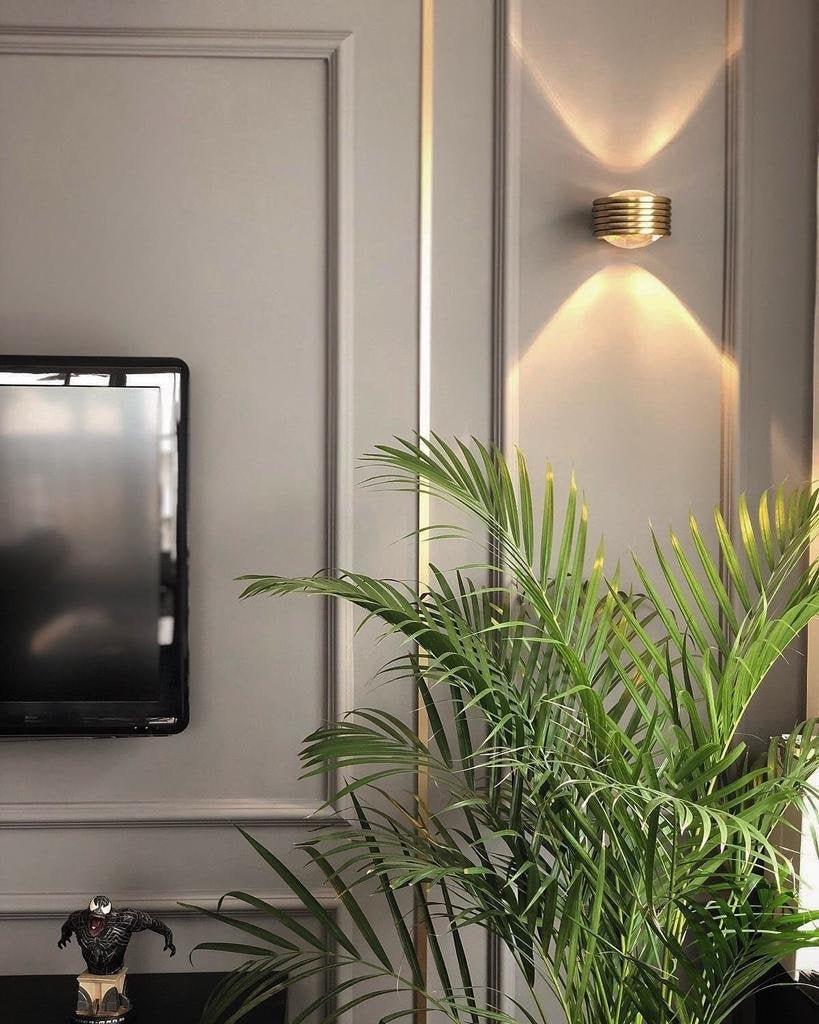
Most living rooms are lit from the ceiling and from table height, leaving a gap at eye level — and that gap is exactly what makes a room feel flat. Wall sconces fill it. Mounted at about 60–66 inches from the floor, a pair flanking a fireplace, sofa, media wall, or artwork adds a warm mid-height glow that ceiling lights and lamps can't reach. Sconces also free up floor and table space, add architectural symmetry, and cast light onto the walls, which makes the whole room feel larger and more finished. If your living room feels "off" despite plenty of lamps, missing eye-level light is usually why.
Lamps: Pools of Warm Light
Table and floor lamps do the everyday work of a living room:
- Table lamps on end tables and consoles bring light down to seating height for reading and conversation.
- Floor lamps in corners lift light up and erase the dark edges a ceiling fixture leaves behind.
- An arc or reading floor lamp beside a favorite chair gives focused task light exactly where you need it.
Spread lamps around the room rather than clustering them, so warm light comes from several directions and the space feels evenly lit rather than spotlit in one corner.
Accent Light for Depth
Accent lighting is the layer that makes a living room feel curated. A picture light over art, a pair of sconces washing a textured wall, an LED strip behind a bookshelf, or a small uplight in a corner all add dimension and draw the eye. Accent light is usually the dimmest layer, but it's the one guests notice without knowing why — it's the difference between a room that's merely bright and one that feels considered and warm. Even one or two accent sources noticeably lift the whole space.
Lighting Around the TV
The media wall deserves special attention, because a dark room with a bright screen causes eye strain, while a too-bright room washes out the picture. The fix is soft, indirect light behind and around the TV: a pair of dimmable sconces flanking the media wall, or a bias light (LED strip) behind the screen, gives your eyes a gentle reference point without glare on the display. Keep this light warm and dimmable so you can lower it for movie night and raise it for everyday viewing. Never rely on a bright overhead light near the TV — angle and dimming are everything here.
Living Room Lighting at a Glance
| Layer | Fixtures | Where |
|---|---|---|
| Ambient | Ceiling fixture, sconces, lamps | Even, room-wide |
| Task | Floor / table lamps | Beside seating & reading chairs |
| Accent | Picture lights, wall-wash sconces, LED | Art, shelves, textured walls |
| Media | Dimmable sconces / bias light | Flanking / behind the TV |
Warm Bulbs & Dimmers Tie It Together
With light coming from several fixtures, consistency and control are everything. Put warm-white 2700K bulbs in every source so the room reads as one cohesive scheme, and get as many fixtures as possible onto dimmers or smart bulbs. Dimming is what lets one living room serve every mood — bright and lively for guests, low and cozy for a quiet evening. Warm light also makes brass fixtures, wood, and textiles glow, deepening the inviting feel. If you do nothing else, standardize on 2700K and add dimmers; the difference is immediate.
Ideas by Living Room Size & Layout
- Small living room or apartment: skip a dominant ceiling fixture and layer sconces plus a couple of lamps — it makes the space feel larger and more intentional. Plug-in sconces keep it renter-friendly.
- Large or open-plan living room: use multiple sources to define zones — sconces and lamps around the seating area, separate accent light for a reading nook or bar, so the big space feels intimate rather than cavernous.
- Living room with a fireplace: flank the mantel with a matching pair of sconces to frame it and add warm, symmetrical light — one of the most classic, high-impact living room lighting moves.
- Living room with high ceilings: add a statement pendant or chandelier to fill the vertical volume, then layer sconces and lamps at human height so the light isn't stranded up high.
Smart Lighting for the Living Room
The living room is where smart lighting pays off most, because the room does so many different jobs. Put your sconces, lamps, and accent lights on smart bulbs or smart plugs and group them into scenes: a bright "Entertaining" scene that brings up every source, a low "Movie Night" scene that dims the room and softens the light around the TV, and a warm "Evening" scene for relaxing. With a tap or a voice command the whole room shifts mood, without getting up to adjust five fixtures. Smart dimming also lets you schedule the lights to warm and lower automatically as the evening goes on, so the room always feels right. It is the modern way to get the flexibility that layered lighting is designed to provide.
Keeping the Finishes Cohesive
With several fixtures in one room, a shared finish is what makes the lighting feel designed rather than accumulated. Coordinating the metal of your sconces, lamp bases, and any pendant — warm brass is a natural, inviting choice for a living room — ties the layers together and connects them to other details like a coffee-table tray, curtain hardware, or shelving brackets. You do not need everything to match exactly, but a dominant finish repeated around the room reads as intentional. Warm brass has the added advantage of glowing under the 2700K light you are already using, so the fixtures themselves add to the room warmth even when switched off.
Common Living Room Lighting Mistakes
- Relying on one ceiling light. It's flat and harsh — layer in sconces, lamps, and accent light.
- Skipping eye-level light. Without sconces, a room lit only from above and below feels incomplete.
- Mismatched bulb tones. Stick to 2700K everywhere for a cohesive look.
- No dimmers. A living room needs to shift from bright to cozy; dimmers make that possible.
- Ignoring the TV zone. Add soft, indirect light around the screen to reduce eye strain.
Frequently Asked Questions
How do you light a living room?
Layer three kinds of light: ambient for overall glow, task for reading, and accent for depth. Combine wall sconces at eye level, table and floor lamps, and accent light on art or shelves — all in warm 2700K and on dimmers.
Do you need a ceiling light in a living room?
No. Many living rooms are beautifully lit with layered sconces, lamps, and accent light instead — often warmer and more inviting than a single ceiling fixture.
How many light sources should a living room have?
Aim for at least five sources at different heights spread around the room, so light comes from multiple directions and the space feels evenly warm rather than spotlit.
Where should wall sconces go in a living room?
Flanking a fireplace, sofa, media wall, or artwork, mounted at about 60–66 inches from the floor, to add the eye-level layer that ceiling lights and lamps miss.
What color light is best for a living room?
Warm-white 2700K for a cozy, inviting feel, on dimmers so you can shift from bright for company to low for relaxing.
Explore our handcrafted brass wall sconces
Perfect for flanking a fireplace or media wall, each cast and finished by hand in solid brass by Arel Lighting, with free US shipping.
Browse the brass wall sconces collection, or read our guide to warm light color temperature.