
Layered Lighting Explained (2026): Ambient, Task & Accent, Room by Room
Quick answer: Layered lighting means combining three kinds of light in one room: ambient (general light from ceiling fixtures or wall sconces), task (focused light for reading, cooking or grooming) and accent (light that picks out art, texture or architecture). Plan at least two layers in every room and all three in living spaces, put each layer on its own switch or dimmer, and keep color temperature consistent, usually 2700K to 3000K.
At Arel Lighting we make brass sconces, pendants and lamps by hand in our Istanbul workshop, and the question we hear most from American customers is not "which fixture?" but "why does my room still feel wrong after I bought a nice one?" Almost always the answer is that the room relies on a single source of light. This guide explains the three layers, how they work together, and how to plan them room by room.
What is layered lighting?
Layered lighting is a design method where a room gets light from several sources at different heights, each doing a different job. A single overhead fixture lights a room evenly but flatly: faces look shadowed, corners stay dim and nothing in the room stands out. Adding light at eye level and at table level fills those gaps and gives you control. In the evening you can turn the overhead off entirely and run the room on lamps and sconces, which is where most of the atmosphere comes from.
Lighting designers usually describe three layers:
- Ambient: the base level of light that lets you move around safely.
- Task: brighter, directed light where you do something specific.
- Accent: narrow light that draws the eye to an object or surface.
Some designers add a fourth, decorative layer: fixtures you look at as much as light from, like a sculptural sconce or a chandelier. In practice a good brass fixture often does double duty as decorative and ambient light.
What does each lighting layer do?
| Layer | Job | Typical fixtures | Brightness guide |
|---|---|---|---|
| Ambient | Even general light | Flush mounts, chandeliers, wall sconces, cove lighting | Roughly 10 to 20 lumens per sq ft in living areas |
| Task | Focused light for an activity | Pendants over islands, vanity sconces, reading lamps, swing-arm sconces | Roughly 50 lumens per sq ft on the work surface |
| Accent | Highlight art or texture | Picture lights, directional sconces, uplights, shelf lights | About three times brighter than the surrounding light |
These lumen figures are common rules of thumb rather than code requirements. Dark walls, high ceilings and older eyes all push the numbers up.
How do you plan lighting layers for a room?
- Start with what happens in the room. List the activities: reading, cooking, homework, watching TV, entertaining. Each activity that needs focused light gets a task source.
- Mark what deserves attention. Artwork, a fireplace, a textured wall, open shelving. Those get accent light.
- Fill the base. Choose ambient sources to cover the gaps. In rooms with no overhead wiring, sconces and lamps can carry the ambient layer on their own; see how to light a room with no overhead lighting.
- Separate the controls. Put each layer on its own switch, ideally with dimmers. Layers only work if you can change the balance between them.
- Keep the color consistent. Use the same color temperature across layers in a room. Mixing 2700K lamps with a 4000K ceiling light makes the room look patchy. Our color temperature guide covers which Kelvin suits which room.
How should you layer lighting in each room?
Every room uses the same three layers in a different mix. Here is the short version; the linked guides go into fixture sizes, heights and spacing.
- Living room: ambient from a ceiling fixture or a pair of sconces, task from reading lamps beside seating, accent on art or shelving. More in our living room lighting ideas.
- Kitchen: ambient overhead, task from pendants over the island and under-cabinet light on counters, accent inside glass cabinets. See kitchen lighting ideas.
- Bedroom: soft ambient, bedside task lights for reading, and very little accent. See bedroom lighting ideas.
- Bathroom: task light at face height on both sides of the mirror matters most. See the bathroom vanity lighting guide.
- Entryway and hallway: ambient from a pendant or flush mount, sconces for rhythm and a welcoming glow. See the entryway guide and hallway lighting ideas.
- Dining room: a chandelier or pendant over the table as the main decorative and ambient source, with sconces or a picture light on the walls. See the dining chandelier size guide.
Which fixtures work for each layer?
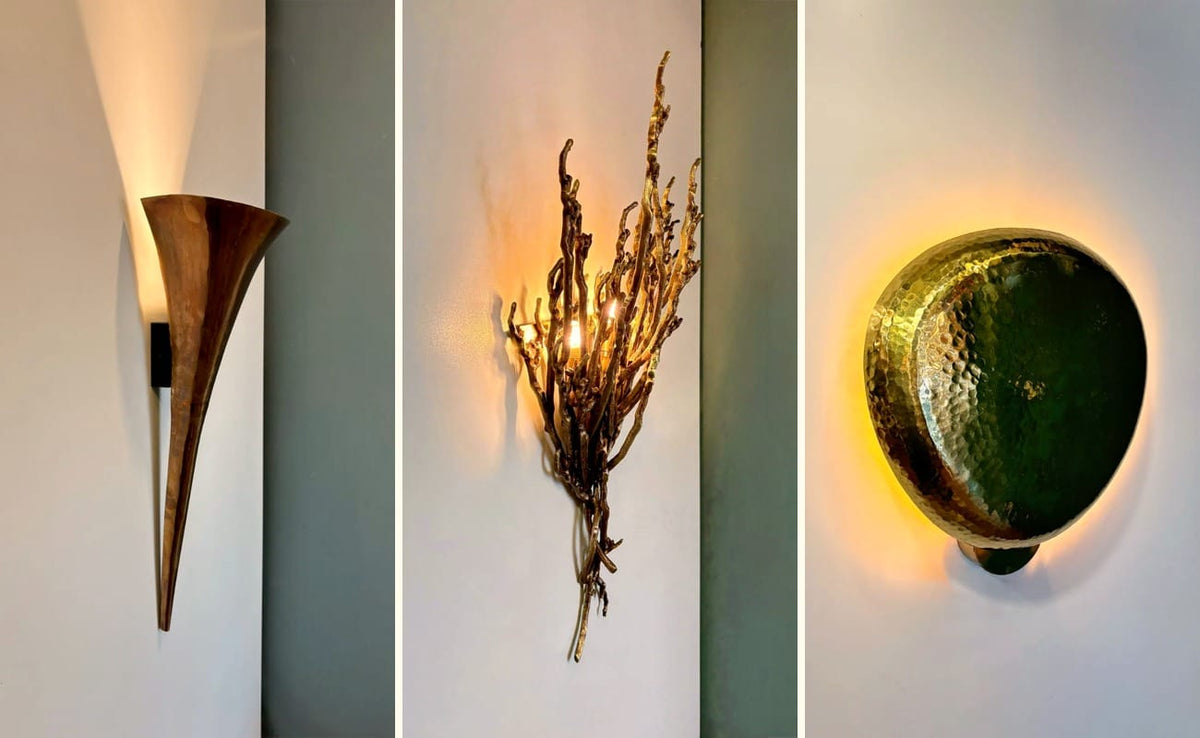
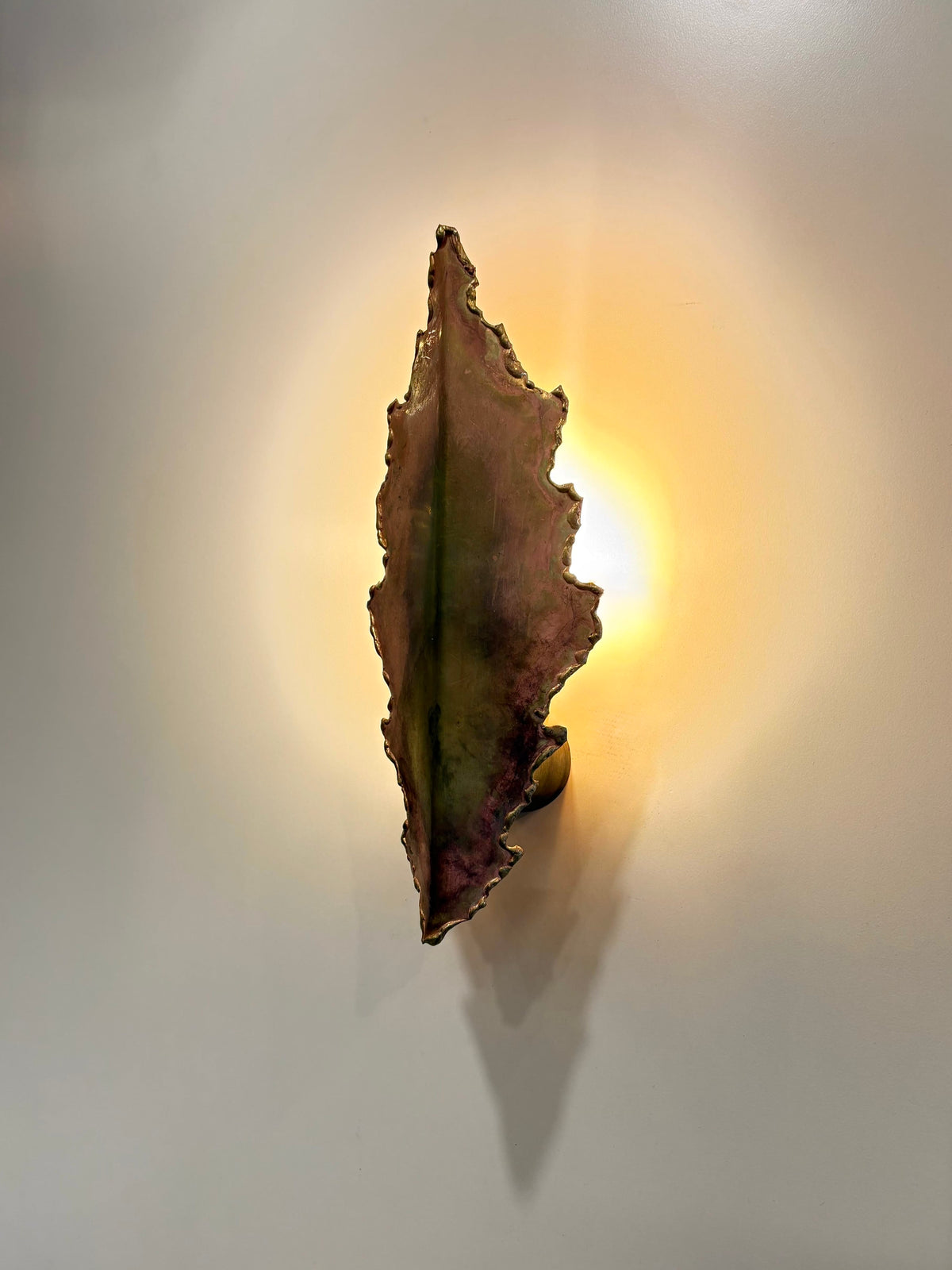
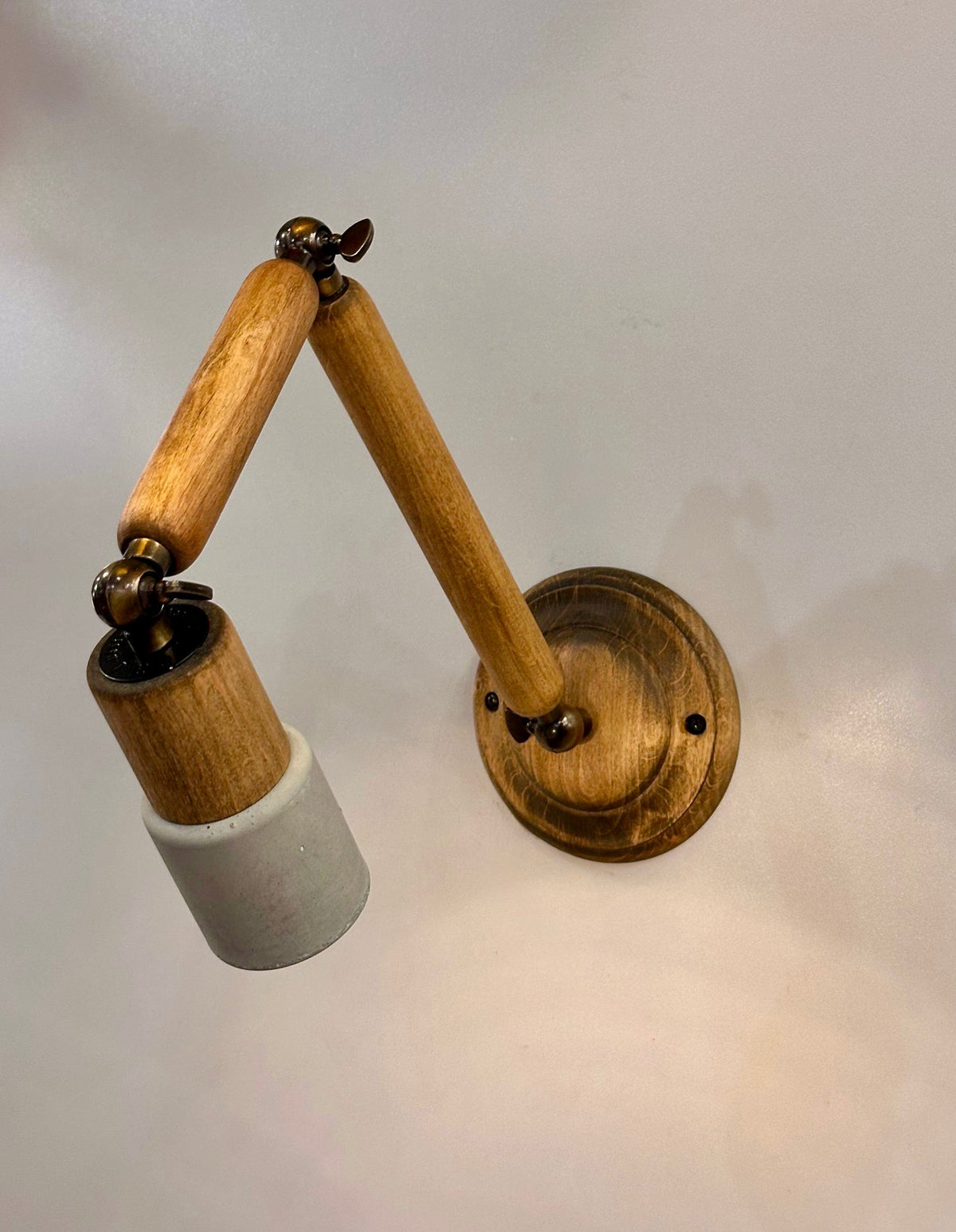
Ambient wall light. A wall sconce with an open or glass shade throws light both onto the wall and into the room. The AUGSBURG wall sconce works well as ambient light in pairs along a living room or hallway wall.
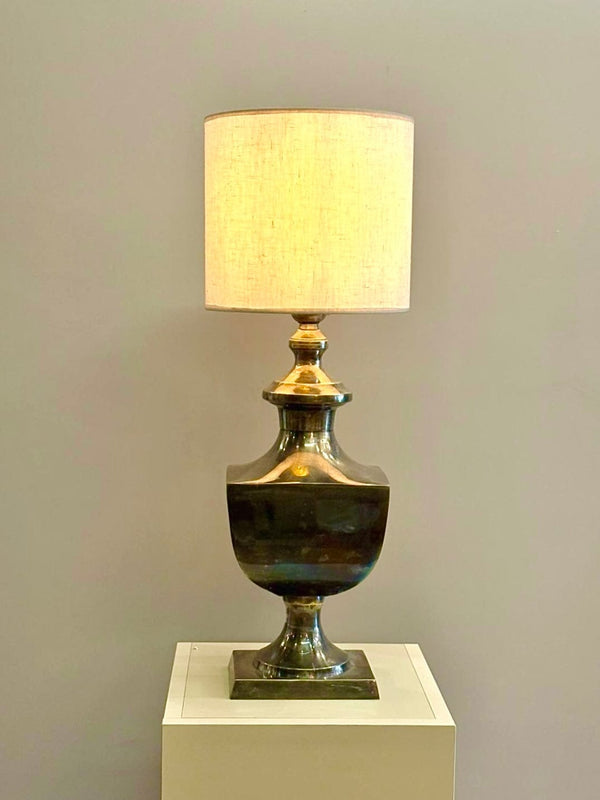
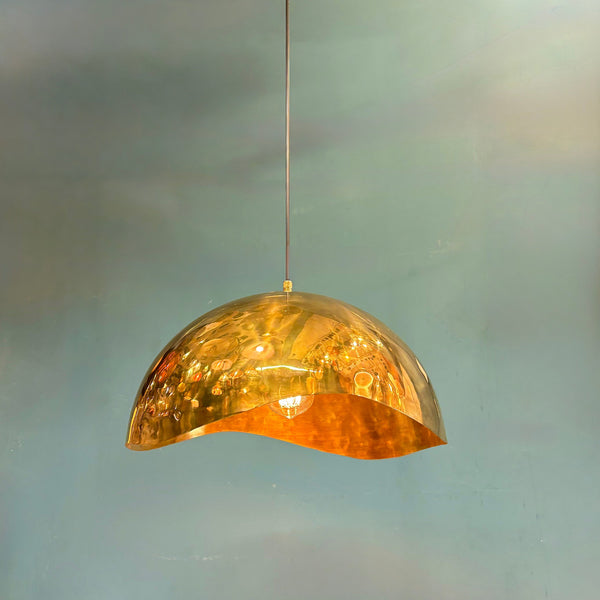
Task light. Task light needs to reach the surface, so position matters more than wattage. A table lamp like the RIBERA beside a reading chair, or a pendant like the GERA hung low over a table or counter, puts light where your hands are.
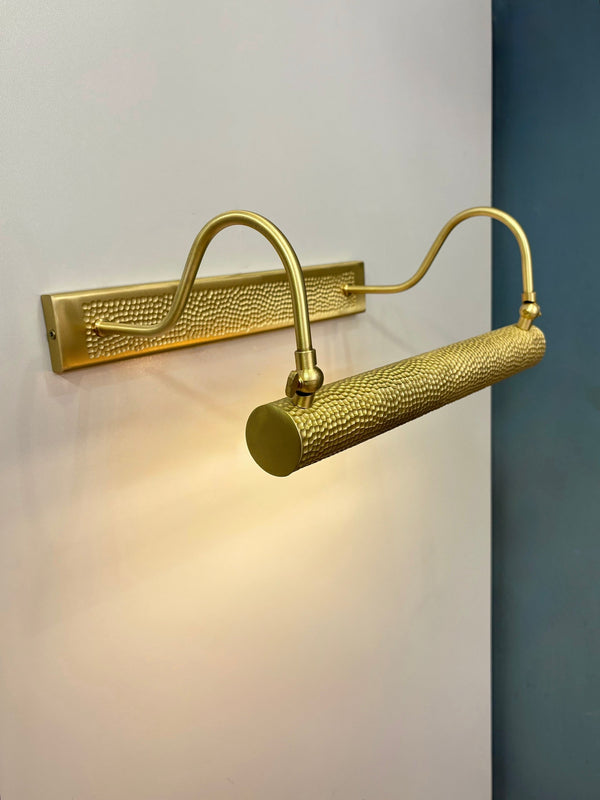
Accent light. A picture light mounted above a painting is the most direct accent fixture. The NIDRI picture light washes artwork from above without lighting the whole room.
Browse more options in our handcrafted wall sconce collection.
What are the most common layered lighting mistakes?
- Relying on recessed cans alone. A grid of downlights is still a single layer, and it lights floors better than faces.
- Everything on one switch. If all layers turn on together, you lose the point of layering.
- Mixed color temperatures. Warm lamps next to a cool ceiling light look accidental.
- Accent light with no target. Spotlights on blank walls just add glare. Light something worth looking at.
- Fixtures at one height. Light at ceiling, eye and table level is what makes a room feel three-dimensional.
Frequently asked questions
Do I need all three layers in every room?
No. Living rooms, kitchens and dining rooms benefit from all three. Bedrooms, bathrooms and hallways usually work well with two: ambient plus task, or ambient plus a little accent.
Can wall sconces be ambient lighting?
Yes. Sconces with upward or open shades bounce light off the walls and ceiling and can carry the ambient layer in small or medium rooms, especially where there is no ceiling fixture.
Should every layer be dimmable?
Ideally the ambient and accent layers are. Task lights can stay on simple switches, though dimmable task lights are useful in bedrooms and dining rooms. Check that bulbs and dimmers are compatible before you buy.
What color temperature should I use for layered lighting?
For most homes, 2700K across all layers in living spaces and bedrooms, and 2700K to 3000K in kitchens and bathrooms. Keep one temperature per room.
Related reading
- Shop handcrafted brass wall sconces
- How to brighten a dark room
- How high to hang wall sconces
- Best color temperature for home lighting
Handmade in our Istanbul workshop · Brass lighting for every layer · Arel Lighting
,%20task%20(focused%20light%20for%20reading,%20cooking%20or%20groomi...)